Harvest At Hand

Goat Prep

Partners & Friends,

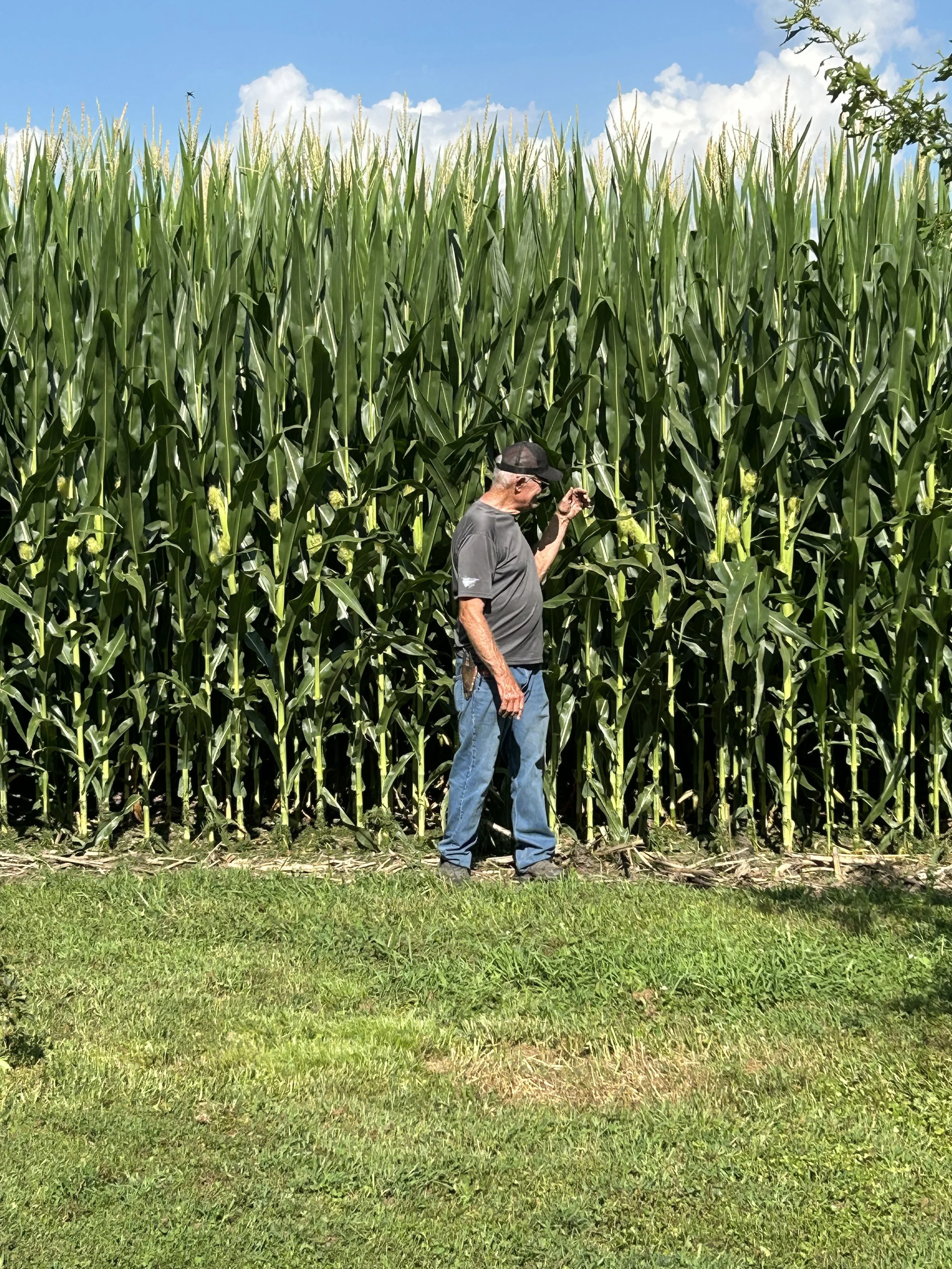
We plan to start harvest this week. The hot weather has pushed corn, especially, to quicker maturity. Some neighbors are already harvesting corn under 25% during this first week of harvest! 🤔 Yield reports so far are indicating an average crop. We still have some equipment preparation and facility maintenance to complete.

We have been busy trying to keep up with the mowing, which has been difficult with the rapid growth caused by the rain and high temperatures. We have also been hauling lime and making piles for application this fall—around 700 tons. Baling the last cutting of hay also took place this past week. Marcus attended Beckology Days in Atlanta, IN. There has been limited farmstead maintenance, and did I mention lots of mowing? There has been no rain for the past 21 days. We are looking forward to cooler weather this next week. We will try to pass along early harvest results as we confirm them.

Commodity markets are up following the Pro Farmer tour reports of lower expected yields. Congress is running short on time in D.C., which probably means no farm bill will pass before the midterms. The political football of small refinery exemptions continues to favor big oil. Farm input costs for 2027 are expected to increase by $15–35 per acre. 🫤

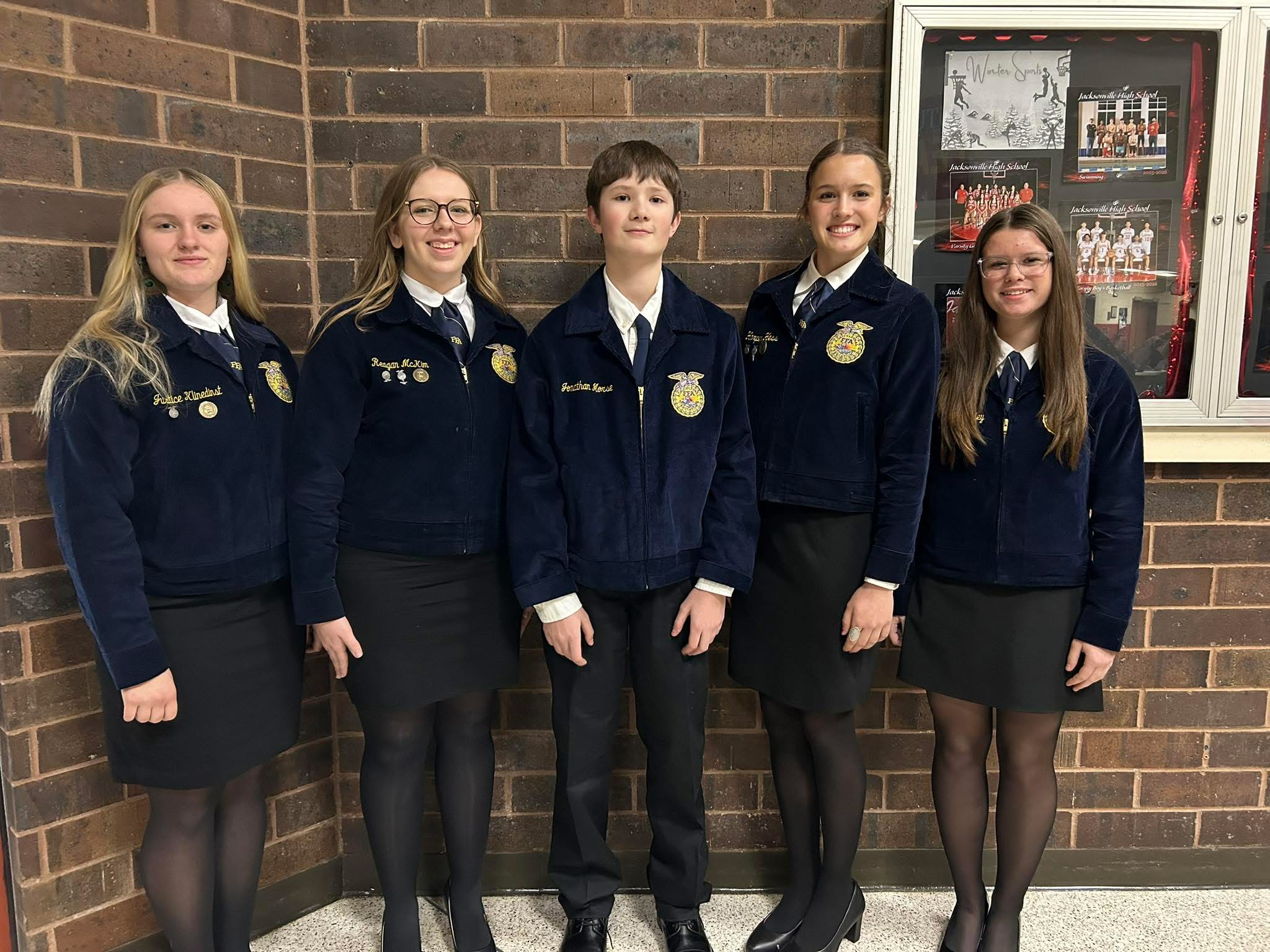
The State Fair had nice, cooler weather. There were three Hess goats in the Grand Drive in the Coliseum. The Hess goats also placed quite well in the BPC FFA Alumni Show and Sale. Phyllis and I got away for some time in Asheville. School is back in full session. BPC has won two football games back to back. Finley is on the golf team. We are anticipating a bountiful harvest. 🙂

There was a question from the last blog about whether soybean apical/meristem damage could increase soybean yields. Recent research from a decapitation study showed that terminal bud clipping can increase yields by 15–18%. More to come on this research. We will pass along information as we learn more.

Keep asking questions! ☺️

Fall prices:

Corn — $5.08

Soybeans — $13.12

Steve
Serving Beyond Ourselves

Worship Team

Baptisms

Partners & Friends,

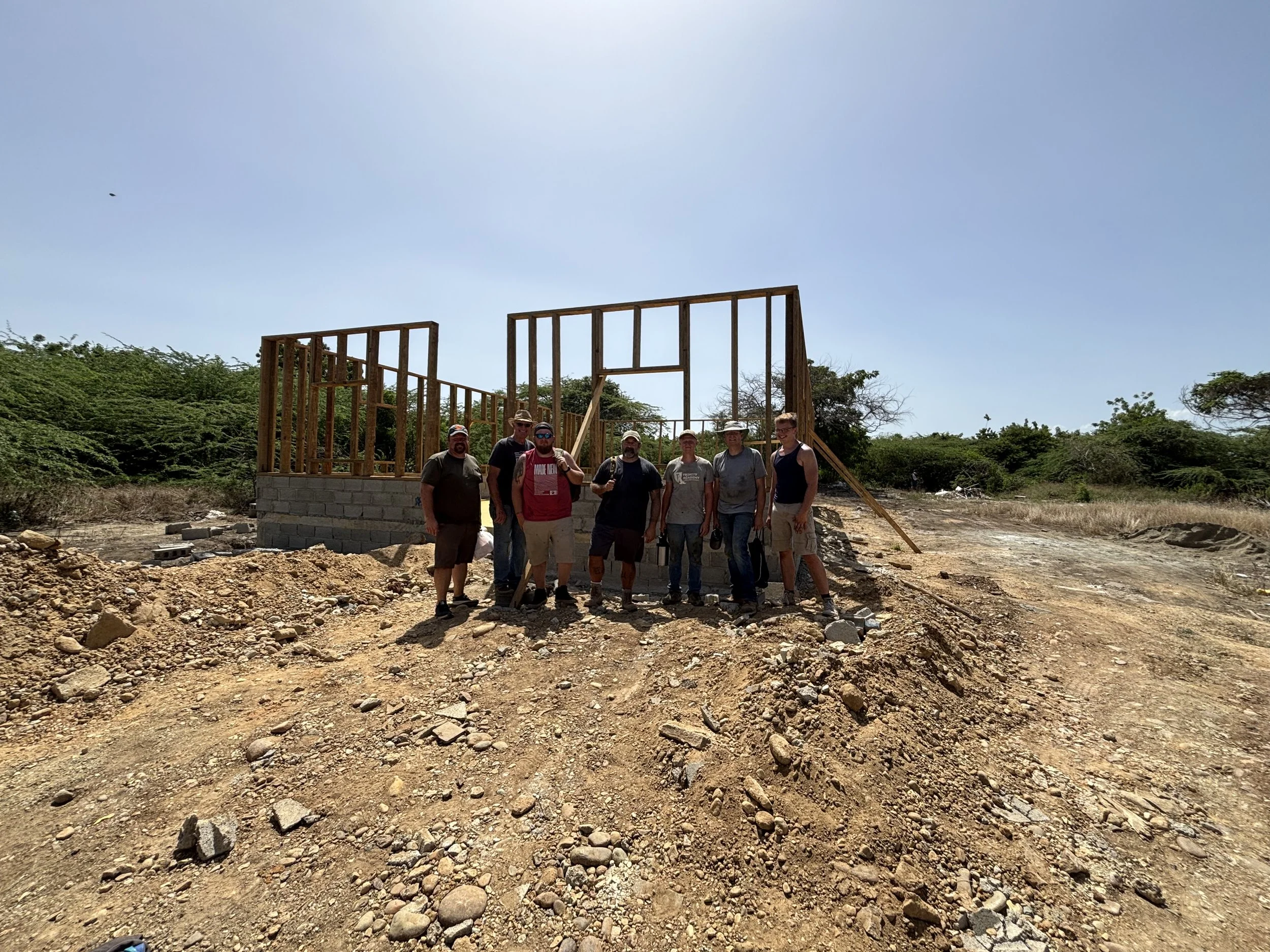
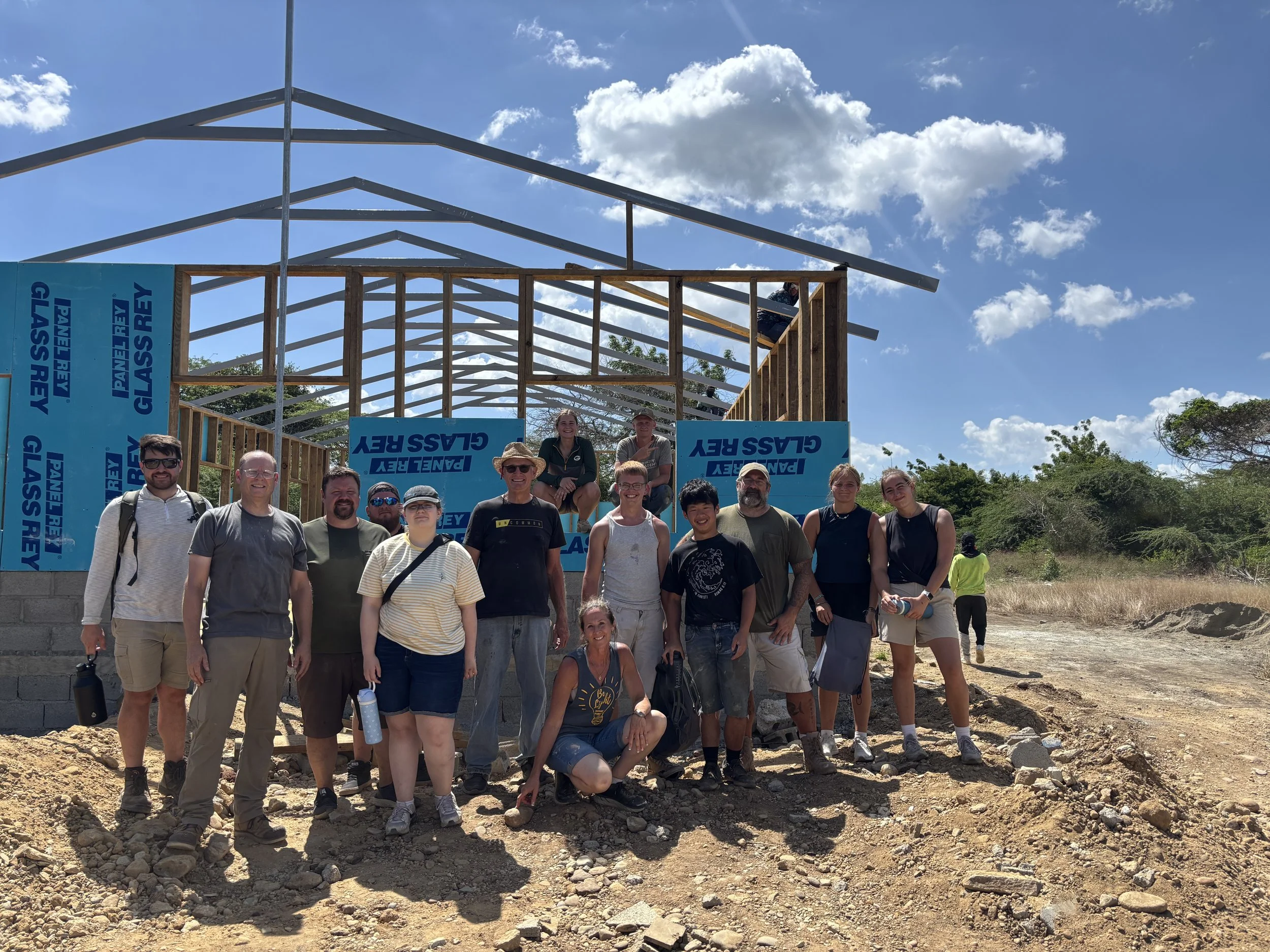
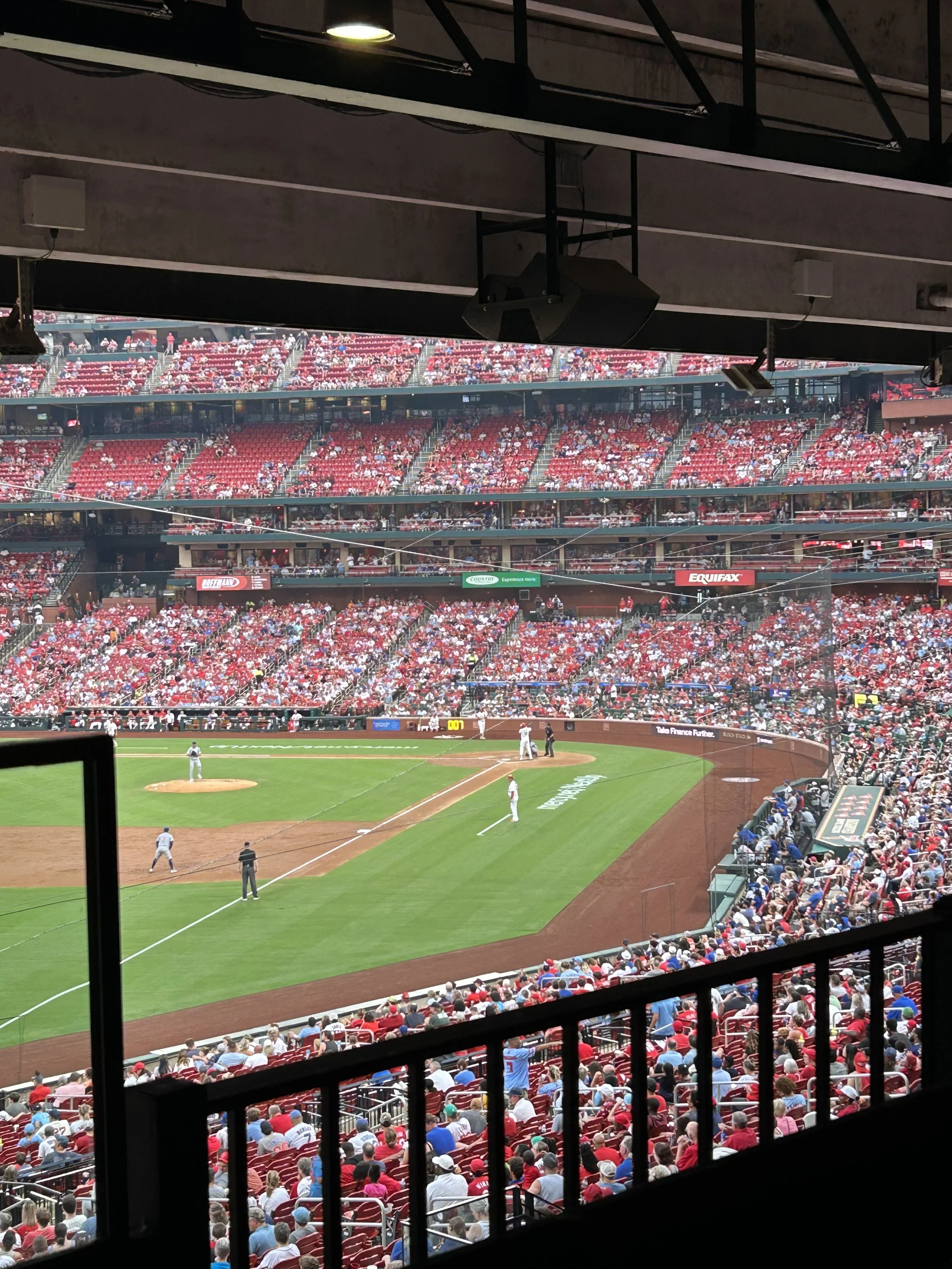
In the past 10 days, I have been on four plane flights, witnessed two grandchildren being baptized, helped erect a church in one week, shared testimonies with 14 fellow believers, hugged all 13 of my living grandchildren, and watched the Cubs clobber the Cardinals 10–2.

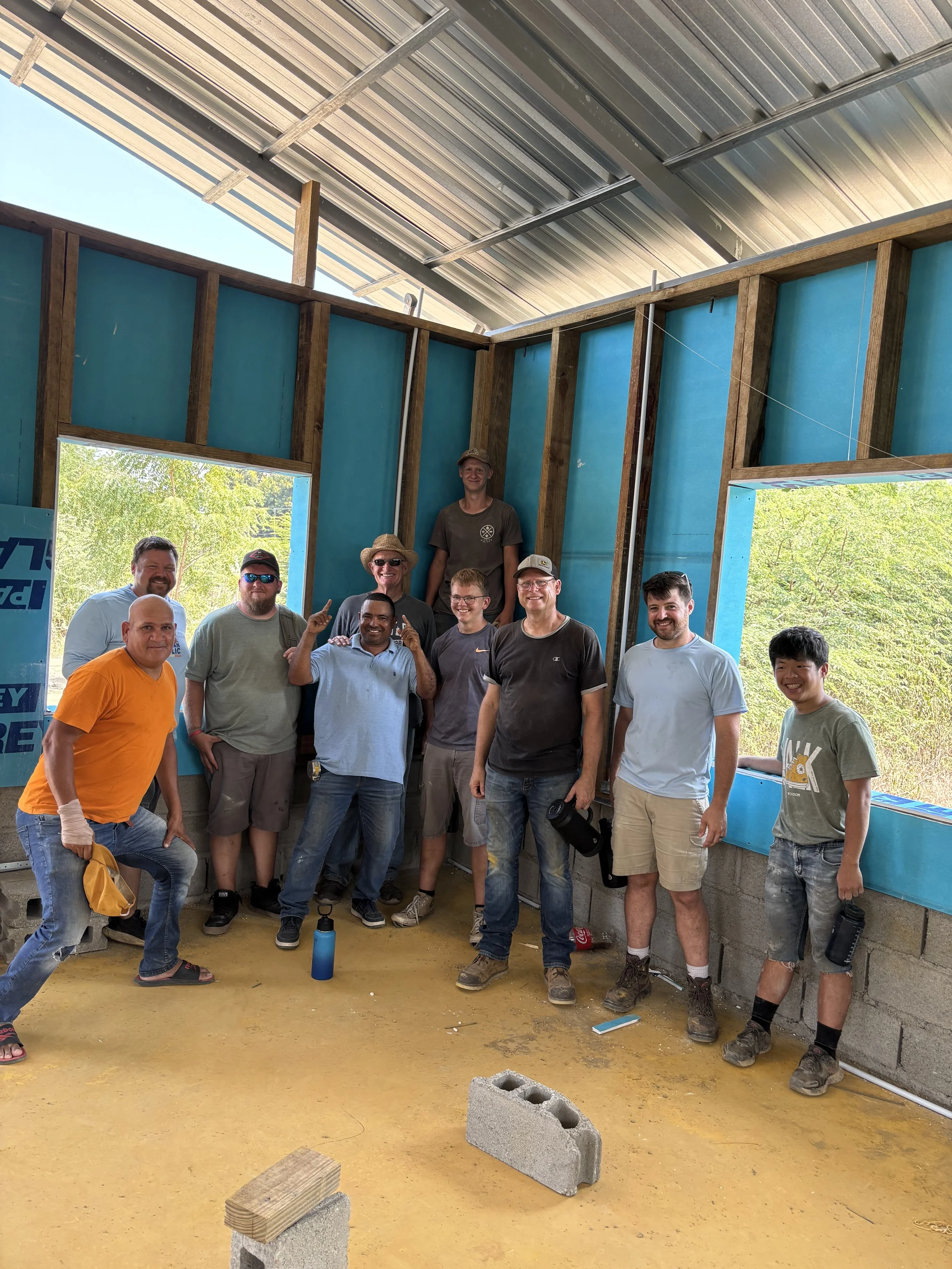
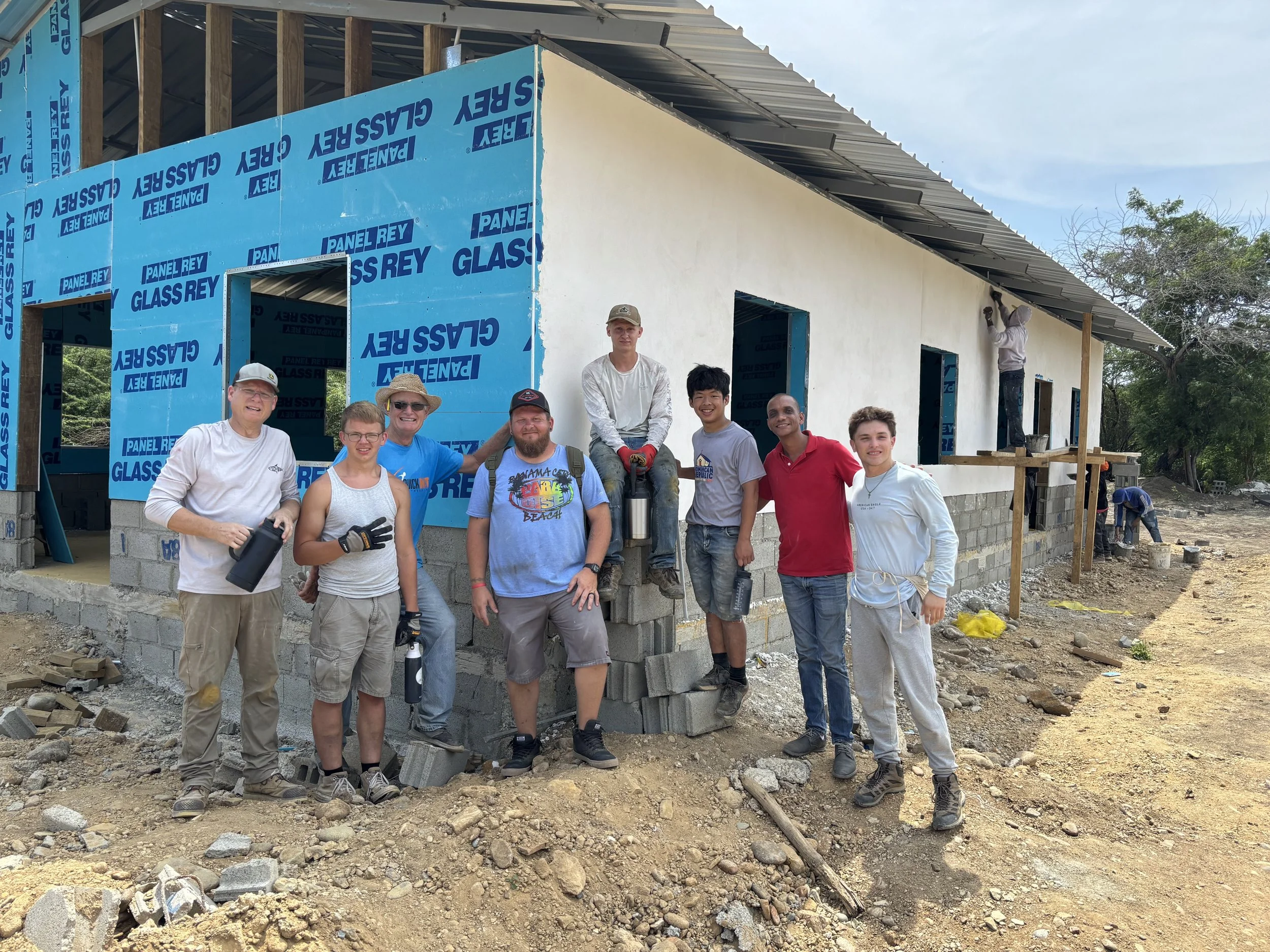
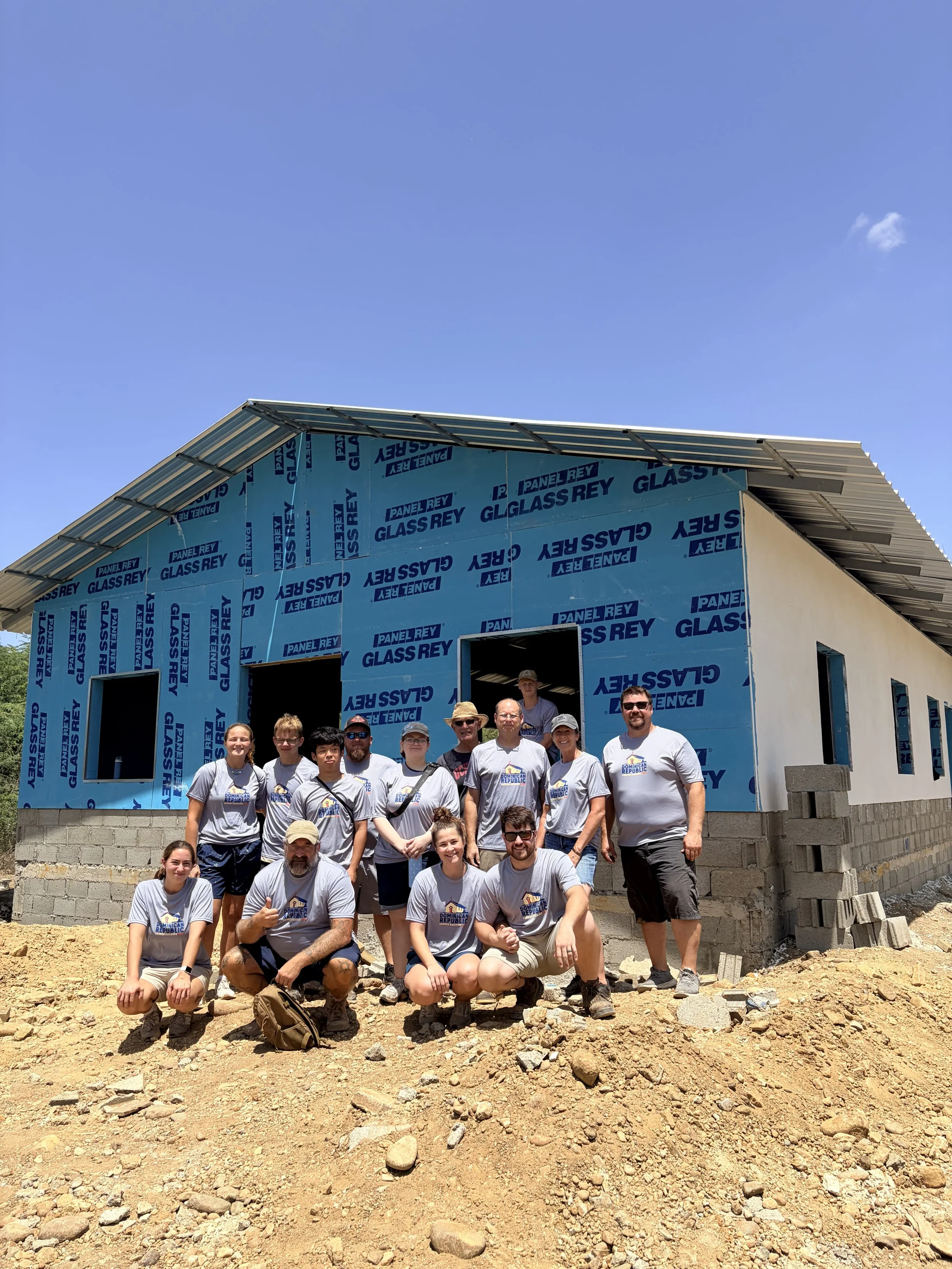
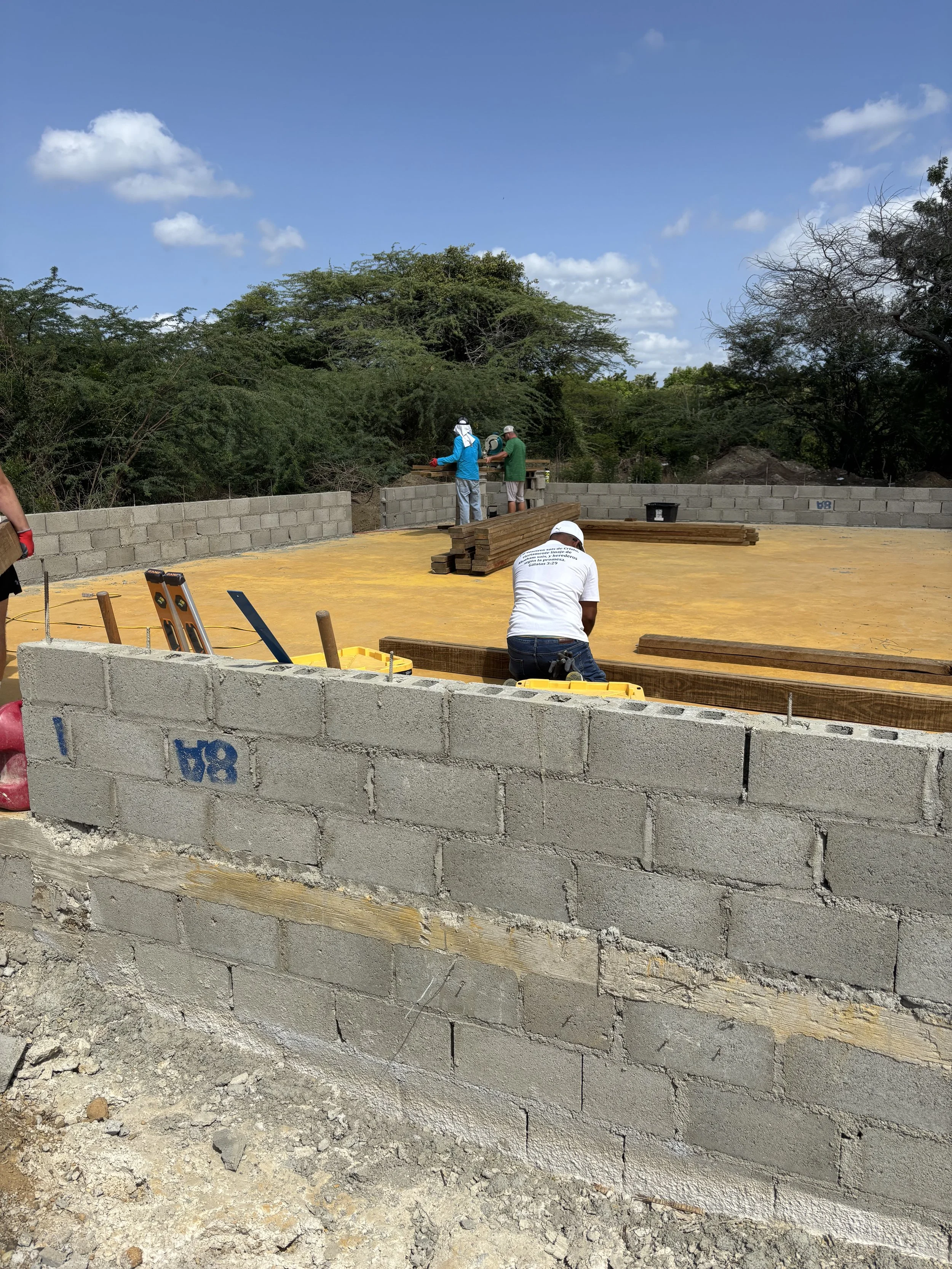
Checkrow Church sponsored a mission trip to the Dominican Republic in partnership with Mission 2535. Fourteen of us went to build, love, serve, cry, reflect, and grow together. What a blessed people we are!

Before leaving the Dominican Republic, we raised and enclosed a 30' x 50' church building, helped complete a home for a deserving family, delivered groceries, love, and compassion to five needy homes, shared testimonies at a home for adolescent boys, spent time sharing God's love at an orphanage, and attended a church service where we didn't understand the words or know any of the songs. 😬 Along the way, we also opened our hearts and shared our personal walks with the Lord with one another.

I would encourage everyone reading this to step outside the comfort of your everyday life when opportunities arise. Share the Gospel, use the gifts and talents God has given you to serve others, and then bring those experiences home with you. There are opportunities all around us every day to be the hands and feet of Christ. Serve with humility, passion, and courage.

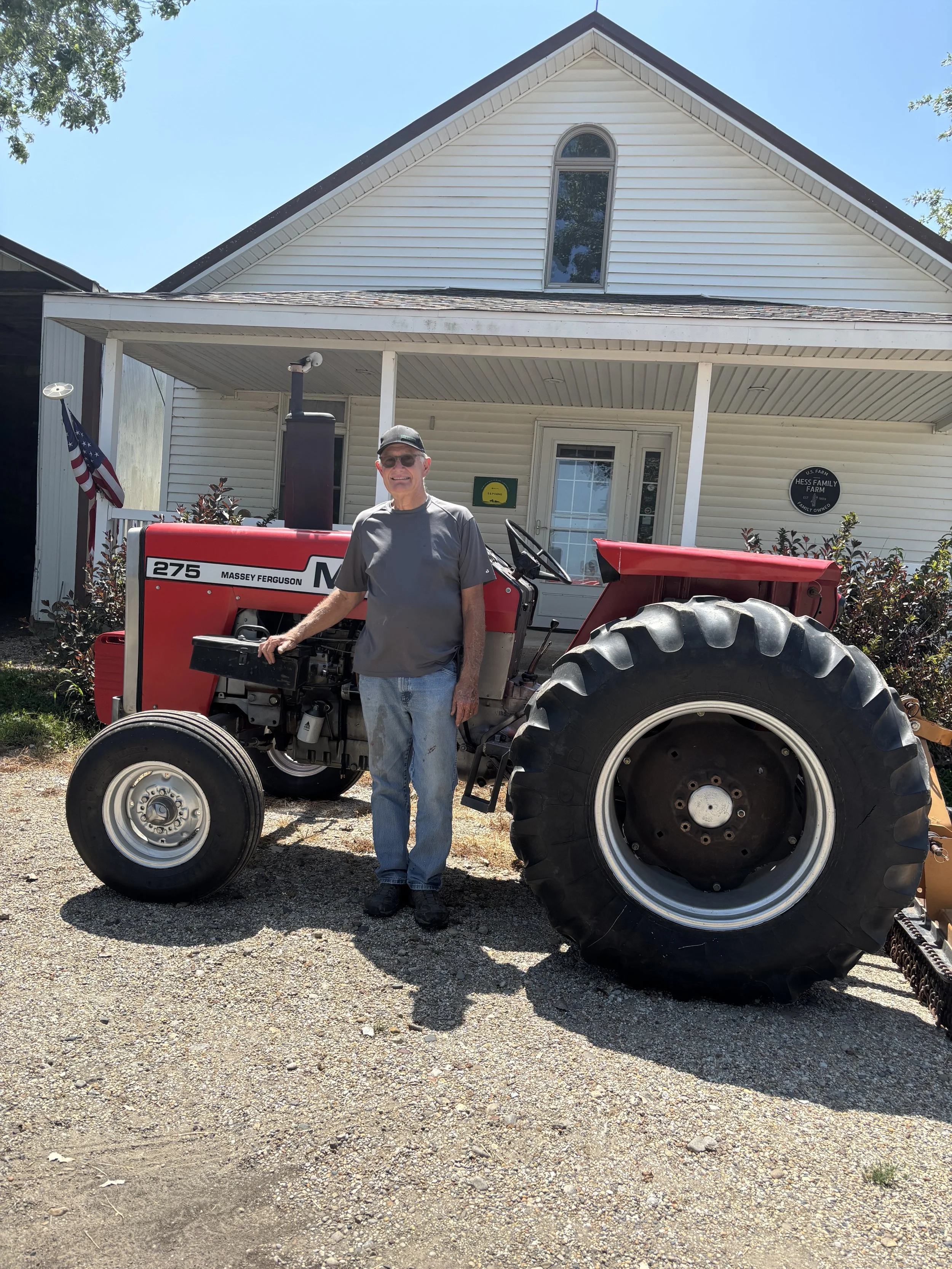
At Hess Family Farm, we are finishing fungicide applications, mowing roadsides and waterways (nesting season is complete), preparing grain storage for harvest, maintaining equipment (always!), baling hay, organizing the shop, and trying to maintain a healthy life balance as harvest approaches. The crop is developing well. Sweet corn harvest indicates good pollination. Soybeans are podding nicely but could use a few timely rains to help increase both the number and size of the beans in each pod.

Commodity prices continue to be very volatile. Each day of war seems to bring new market influences. Wheat prices remain elevated with the uncertainty surrounding grain shipments from Russia and Ukraine. The direction of U.S. biofuel policy appears to be leaning toward greater profits for big oil. It also appears our border with Mexico will reopen for cattle shipments. I'm not convinced screwworm has been fully contained, but it appears we are moving forward.

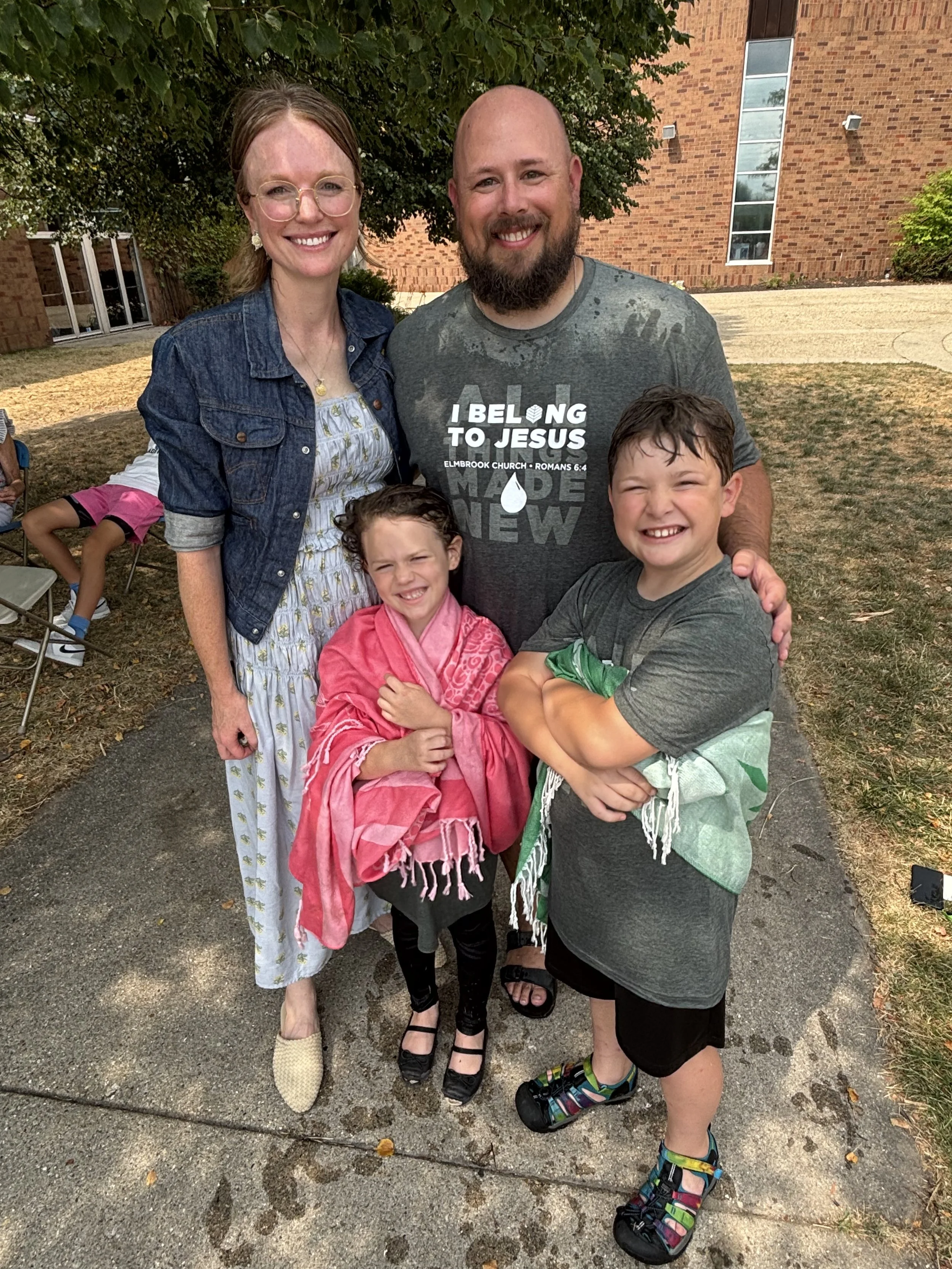
We were blessed to witness two grandchildren's baptisms last Sunday. 🙏 We also celebrated Champion Doe and Champion Wether honors at the Fulton County Fair. Cubs/Cardinals baseball is always exciting! School starts back in a couple of weeks, and the State Fair is only two weeks away. 😯

Fall Prices:
Corn — $4.46
Soybeans — $11.43

Stay strong, stay cool, and enjoy the rest of your summer! 😎

Steve

Farm Forward

Partners & Friends,

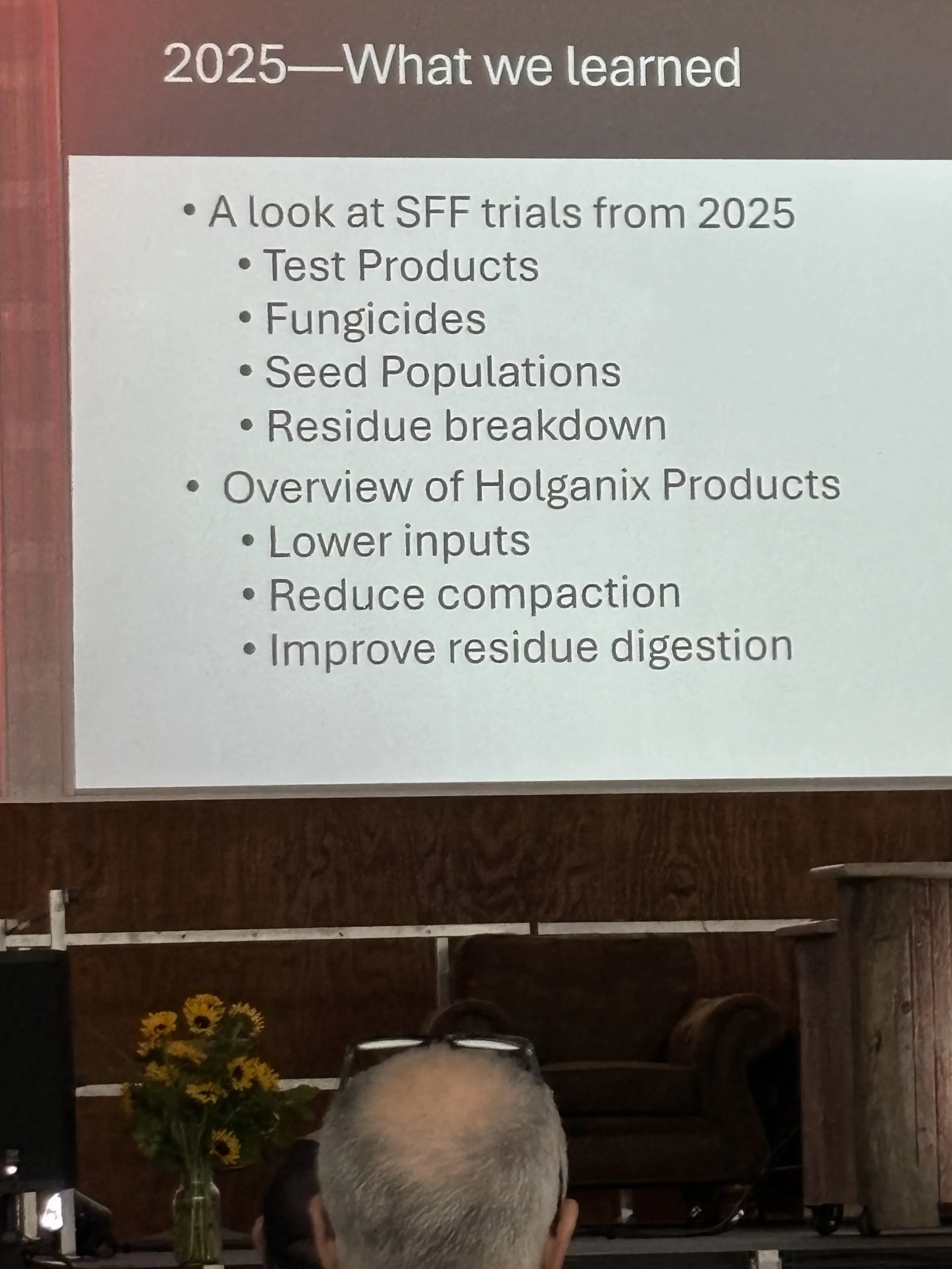
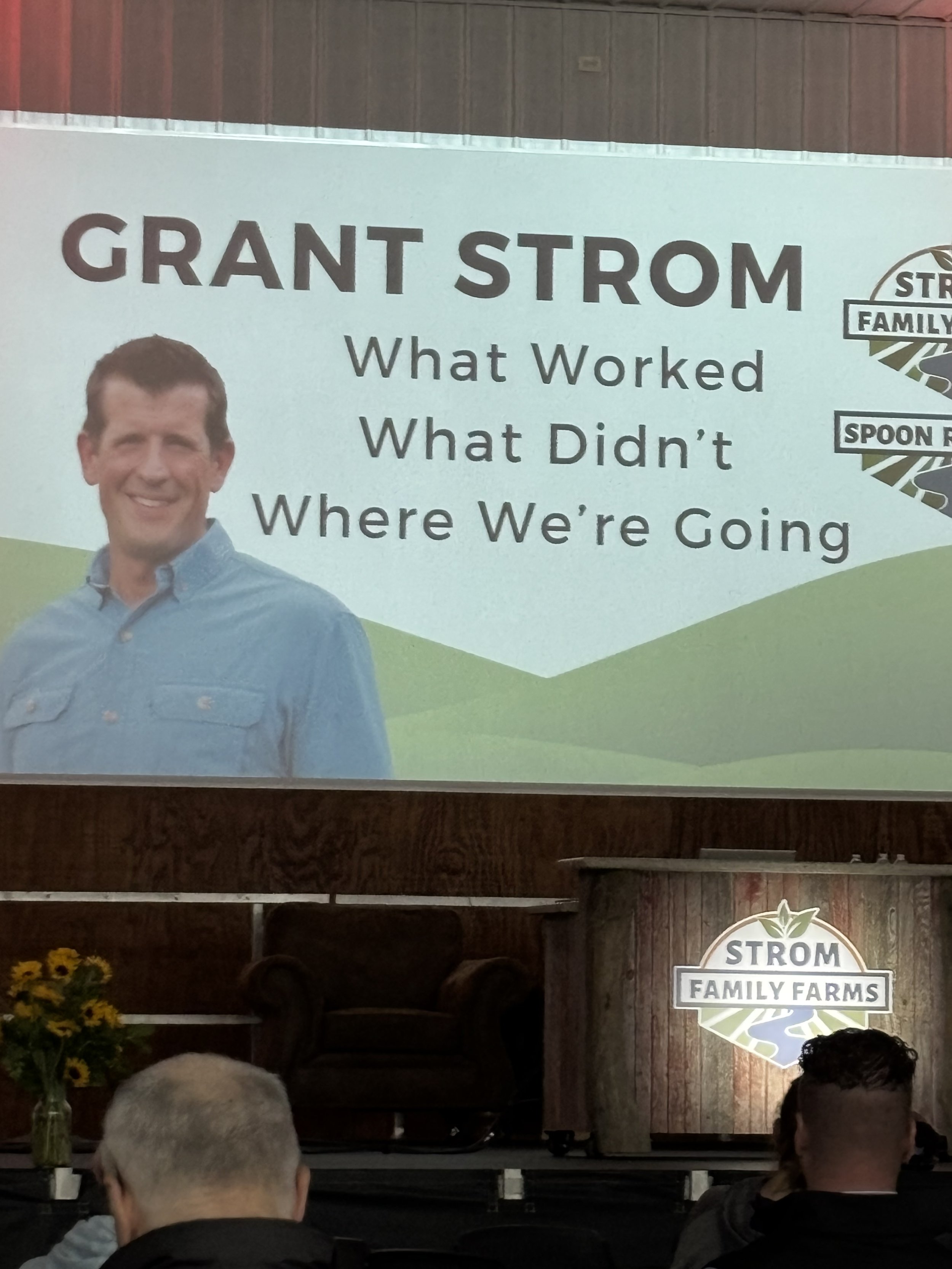
Yesterday I attended a farm meeting at an operation similar to ours, Strom Family Farm in Knox County. I really appreciate the transparency they shared regarding the results of this past season’s on-farm trials.

What Worked:

  • Low population soybeans

  • High population corn

  • Generic fungicide

  • Applying ½ rate P in a band

  • Applying Holganix 800 as close to planting as possible

What Didn’t Work:

  • Green Lightning

  • Skipping fungicide

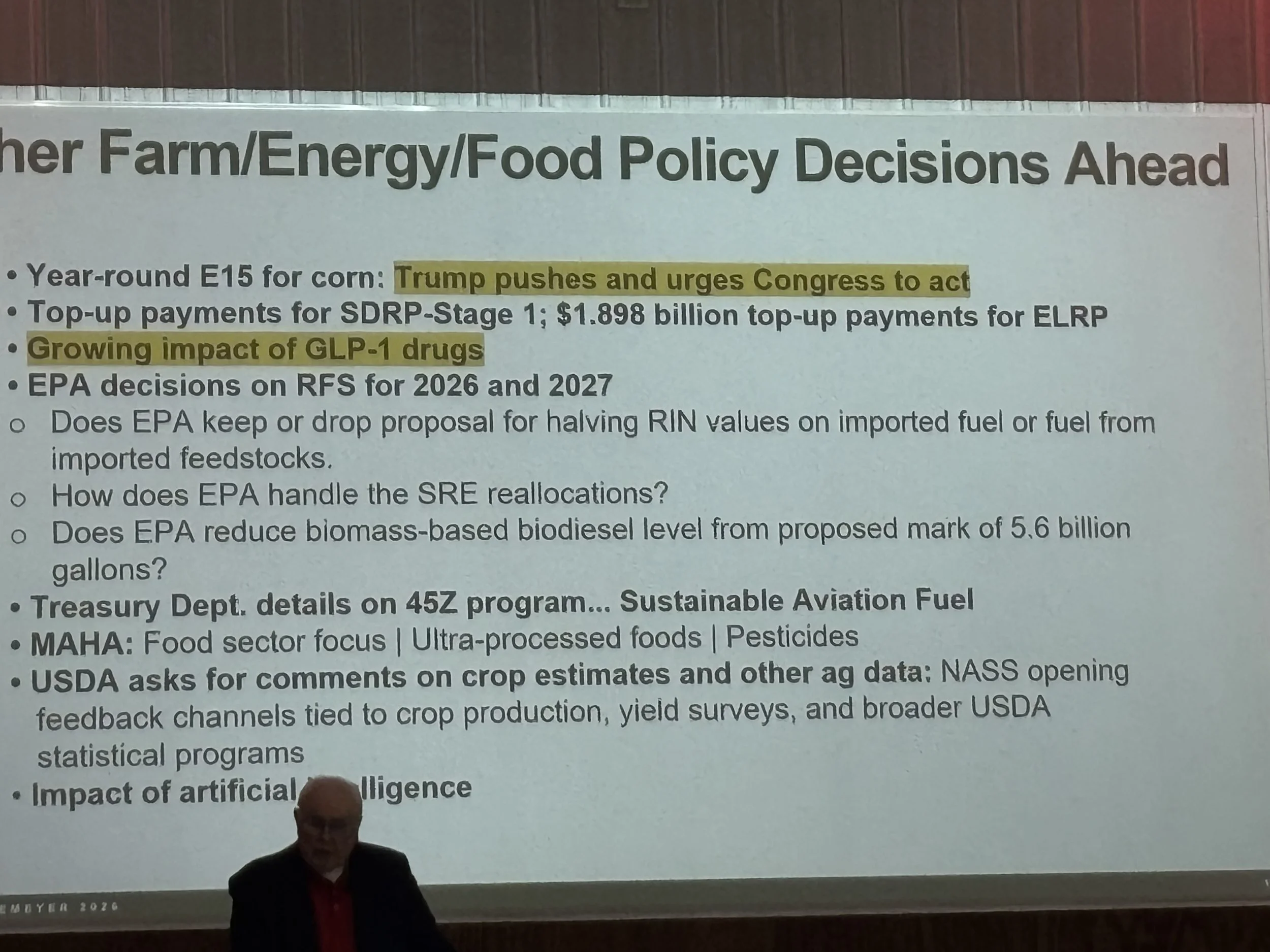
There was also a good ag economic report from Jim Wiesemeyer and former trader Tommy Grisafi:

  • Lots of disruption in DC (not that we didn’t need it 😬)

  • Crop insurance subsidies are the new Farm Bill

  • This downturn is likely to last a few more years

  • We’ve entered a new era where government support will be part of the farm income puzzle, like it or not

There was a lot of good, open sharing of thoughts and ideas for the future.

Back on Hess Family Farm, we are shipping grain, maintaining equipment, finishing the last NH₃ application, and finalizing crop input details, along with wrapping up the last few farm meetings. 😏 Most of the utility work for the shop update is complete.

We need to make crop insurance decisions by the end of next week. We’re taking delivery of seed and chemicals and finalizing written plans for spring operations. We’ve also received some very nice rain over the past few days, helping replenish soil moisture.

It is now nearly impossible to get pricing for side-dress NH₃. Fuel prices are up about 20% (fortunately we did secure some laid-in and booked inventory), and as energy prices rise, corn and soybean prices are following, although not at the same pace.

We are still waiting for 45Z guidance—hoping for book-and-claim. 🙏 Meanwhile, since FSA is reorganizing its software programs, we cannot proceed with farm reconstitutions or some farm program details. So much uncertainty!

Family life is busy. Volleyball and basketball seasons are complete, one more gymnastics competition remains, and FFA judging season is in full swing. Ali has moved into a new place in Asheville, and we squeezed in a brief visit to Hidden River before Phyllis’s knee surgery next week. Wisconsin is eagerly anticipating the end of snow season and the beginning of baseball and soccer season.

Fall Prices:
Corn — $4.50
Soybeans — $11.12

Comments and likes are welcome! 🤩

Steve

Taking Care of Business

Partners & Friends,

The management team—Marcus and Shanna—along with Phyllis and me, attended the AgView Executive Business Conference this past week in Florida. It was mostly business-focused, with sessions on cost of production, US and global economics, labor management, marketing scenarios, accounting and tax strategies, land values, entity structure, and more. Here are a few bullet points from the presentations:

Path to Prosperity - Mike Finley

  • Strive for financial independence

  • Invest in appreciating index funds—stock index funds

  • Avoid financial advisors

  • Find the right teachers

Renewables and Tax Implications - Paul Neifer

  • There are lots of unknowns about 45Z, 45Q, and SAF

Farmland Investment and Fractal

  • 50% of Brazil will be out of its climate zone by 2030

  • Illinois has some of the lowest volatility farmland in the world

  • Some people are building their future—others are waiting for the future to impact them

Farm Economics and Trends - Chris Barron

  • Lenders are very concerned and cautious with this ag downturn

  • Know your cost of production

  • Family dynamics and communication are key areas

  • Return to management spread last year was $33/acre to $287/acre

Putting the Odds in Your Favor - David Kohl

  • Economics are overpowering the green movement in Europe

  • Will your operation be sustainable without government subsidies?

  • AI is transforming everything

Labor Management - Panel

  • What is your culture?

  • Define your core values

  • Know your team, know their lives

The ag economy will come out of this economic cycle in 3-5 years. These cycles are predictable. The US is now definitely the second worldwide supplier for soybeans, and that same distinction could soon apply to corn. The new administration is going to create a lot of dust, and until it settles, there are many unknowns. Unless the economies of China and India address climate change solutions, the other economies of the world will not make much of an impact. There has been a nice recovery in commodity prices—not great, but closer to covering the cost of production.

We are so thankful the weather has moderated. This time of year seems to be the dark before the rising sun. The warmth of the south is a nice break from the cold. Harper has also started teaching goat showmanship classes!

Fall 2025 Prices:

  • Corn: $4.28

  • Soybeans: $10.13

Steve

Home Again

Partners & Friends,

Phyllis and I are home from our agricultural tour of Europe. The last part of our whirlwind of trip involved visiting the following agriculture related sites, as well as noting a few more interesting observations:

  • A large seed cooperative raising corn, soybeans, wheat, cover crops, and more

  • A Swiss Alpine dairy that processes cow and goat cheese  

  • A salt mine that has been mining salt inside a mountain for over 500 years

  • There was more corn and soybean production as we traveled south 

  • The major crop grown was wheat 

  • There is a lot of grass harvest for hay

  • There are few alfalfa fields

  • All livestock was confined inside 

  • There is total integration of technology with guidance, seeding, and fertilization 

All of the countries we visited are quite efficient with crop inputs. Costs are comparable to ours per acre. The vast majority of crops are transported with tractors and trailers—the country roads are not well suited for semi-truck traffic. Another thing worth noting is that semis are not allowed on highways on Sundays, except those hauling perishable or urgent loads. A large portion of farmers’ income is generated off-farm, as many farms are less than 100 acres and only require part-time work. Land is very expensive and does not go for sale often (even less than this country). The former Soviet countries (i.e. Czechia) have larger, more efficient fields, as the state farms were redistributed to former owners. 

Between the great need for electricity and the Russian gas pipeline being out of use, Germany has deemed coal a “green” energy source. There are also many wind turbines and solar panels. The agriculture sector is struggling as we come to grips with a workable carbon reduction program.

Now, to answer the comments from the last blog post:

  • I stand corrected—gas is around $8/gallon in Europe, which incentivizes energy conservation 

  • The ration the cows were fed on the farms we visited was high roughage and grass—these were not typical high production herds

  • Beer is not served warm, but is served with a substantial head to lock in flavor

  • Food prices in Europe are very comparable to ours (although the Euro conversion does add 10% to the transaction)

  • We were disappointed to not visit any animals in total confinement, but the need for bio security is completely understandable

We are back in full swing with hay making, fungicide spraying, mowing, goat showing, land improvement projects, and equipment repair. The Farm Bill debate is struggling to gain traction. There is much discussion regarding how low target prices were set in the 7 year old Farm Bill we are now working with. It seems we are not far from them now (note the fall prices update at the end of each blog post). It has been a rainy summer and few areas have yet to receive rain. The corn and bean crops are looking huge.😅

Goat showing season is ramping up. Harper had great success at the Fulton County Fair last week, and is now preparing for the Illinois State Fair next week. We celebrated a fun birthday weekend with the Luechts in Grafton. Back to school season is a few short weeks away.

Fall Prices (YIKES!):

Corn—3.73

Soybeans—10.03

Please ask and comment away!

Steve