5 Months

Partners & Friends,

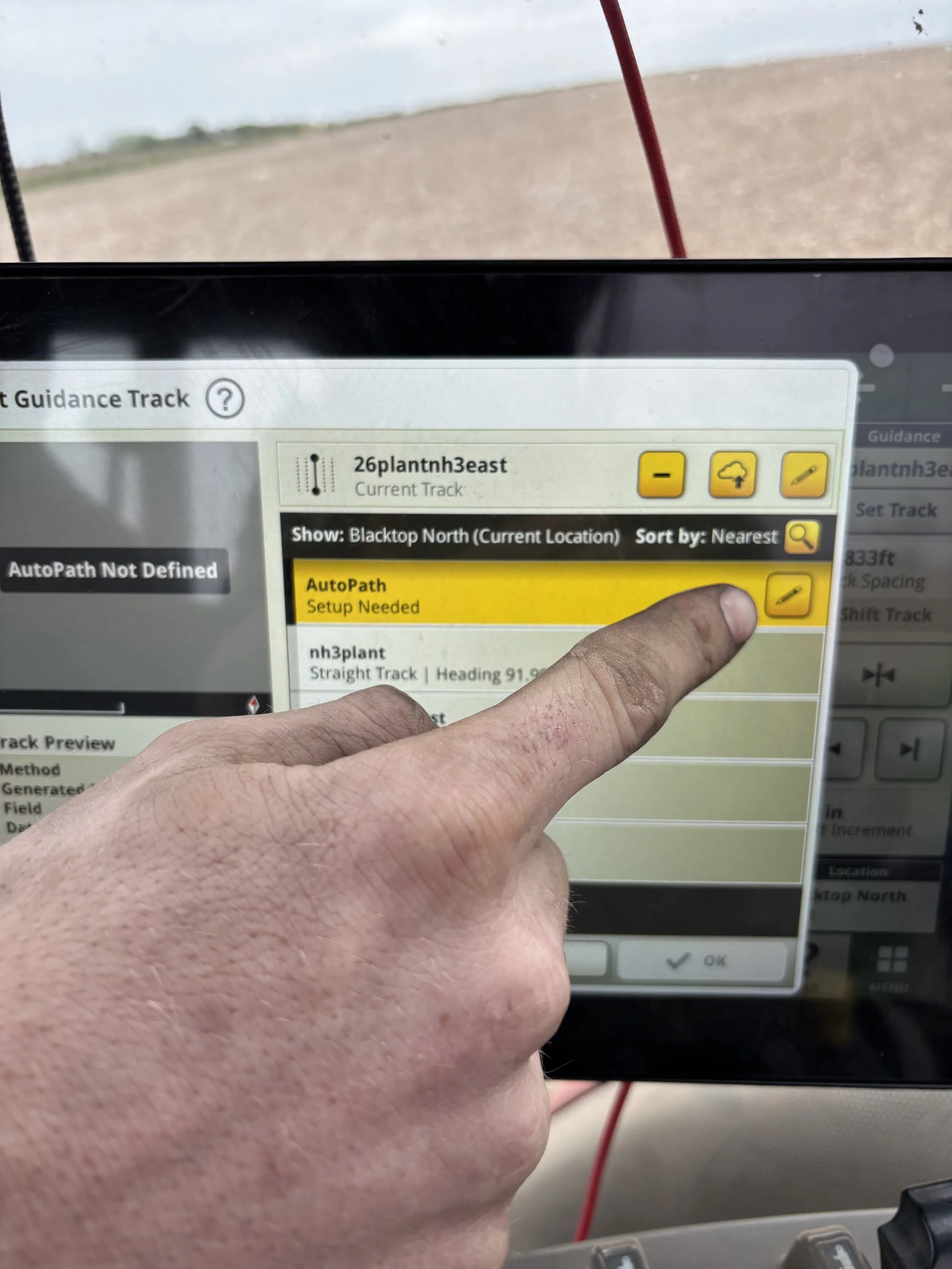
We completed soybean replanting this past week. We have now planted soybeans in five different months this year—a new planting window for us. About half of our March-planted beans are thriving; the other half had to be replanted. Modern soybean production wisdom says one of the easiest ways to increase yields is to plant early. Some years that strategy doesn't work out so well, but in the years it does, the payoff in bushels can be significant. We'll continue pushing the envelope in search of higher production and will be happy to share what we learn along the way.

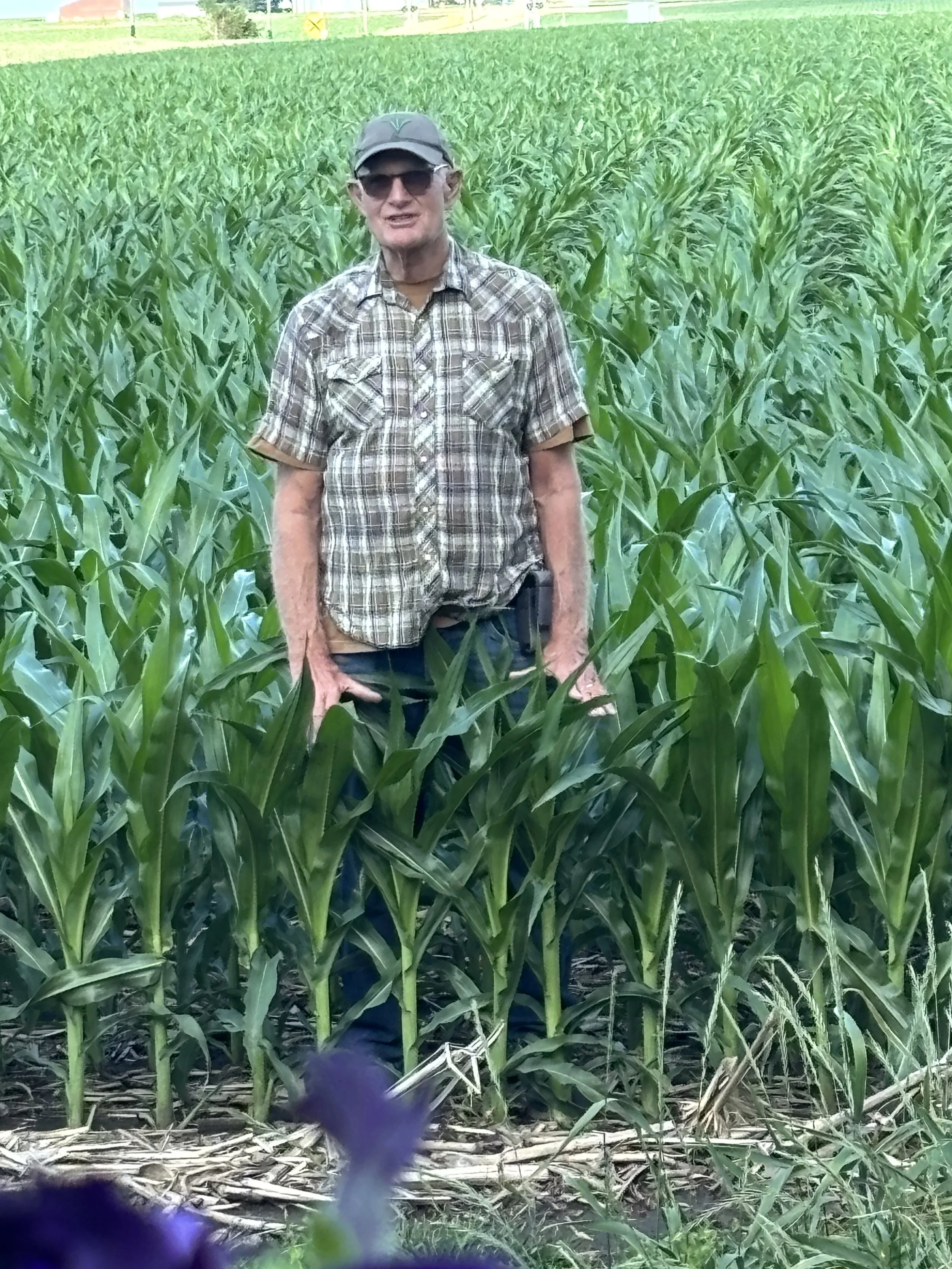
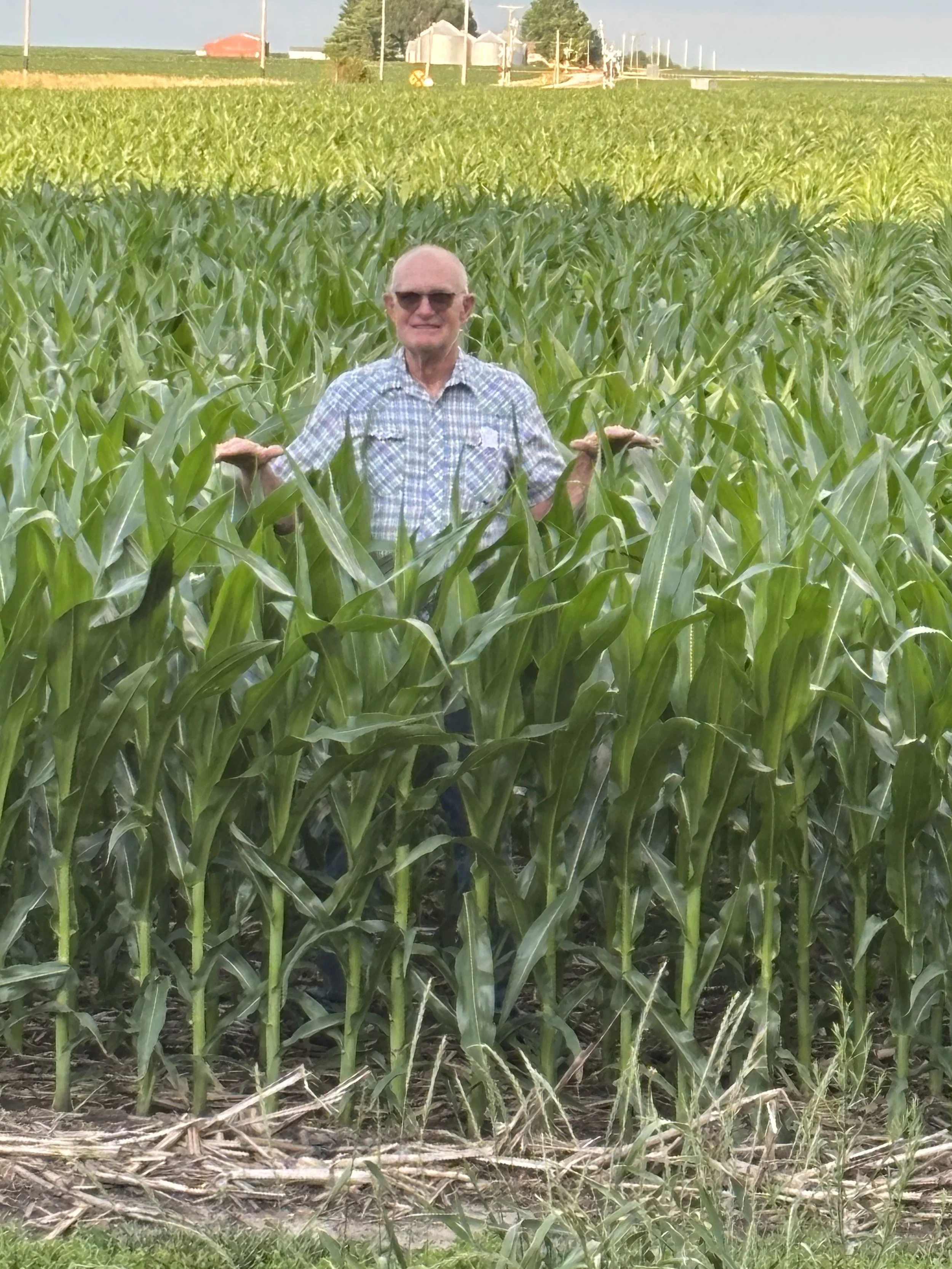
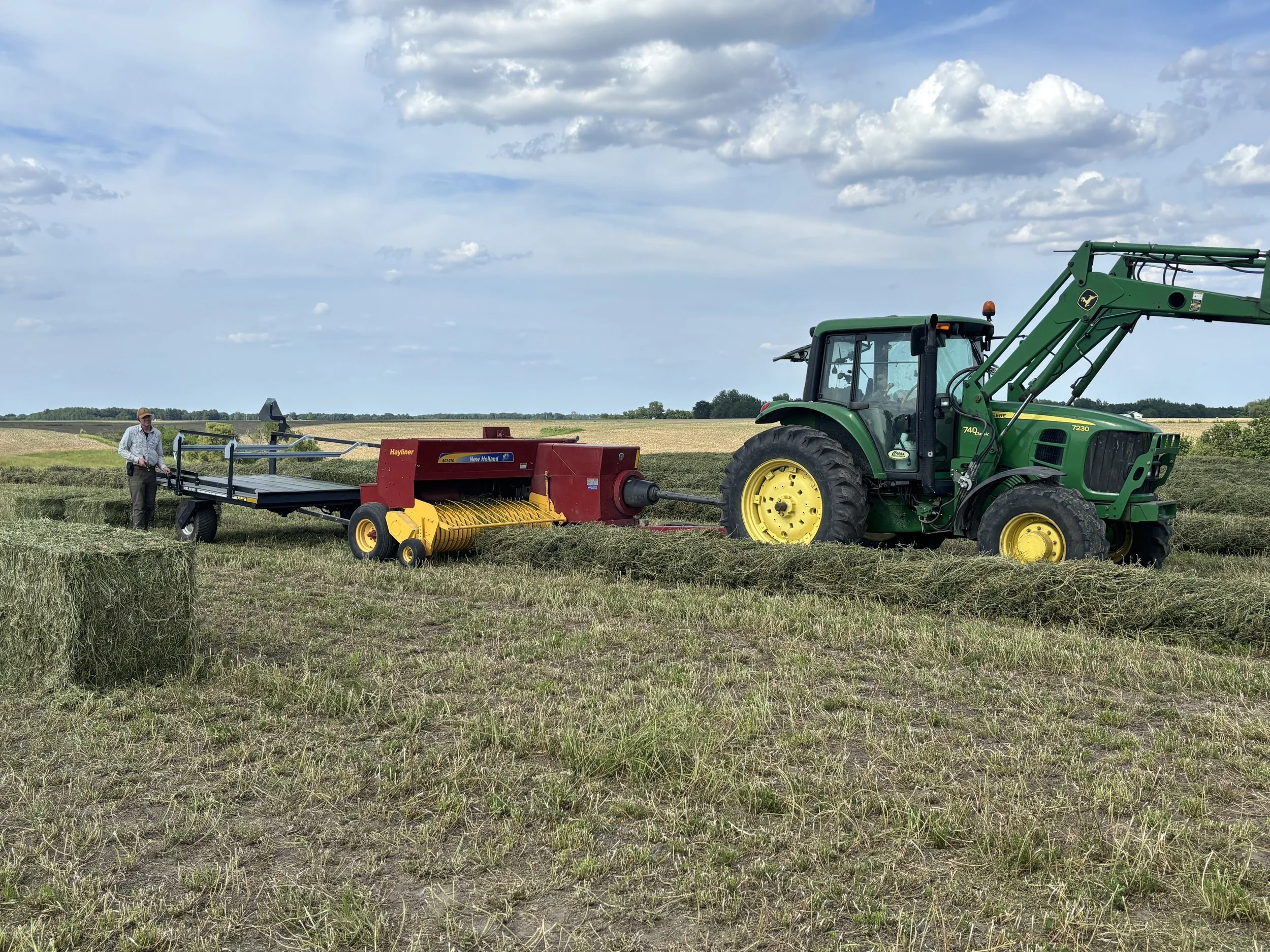
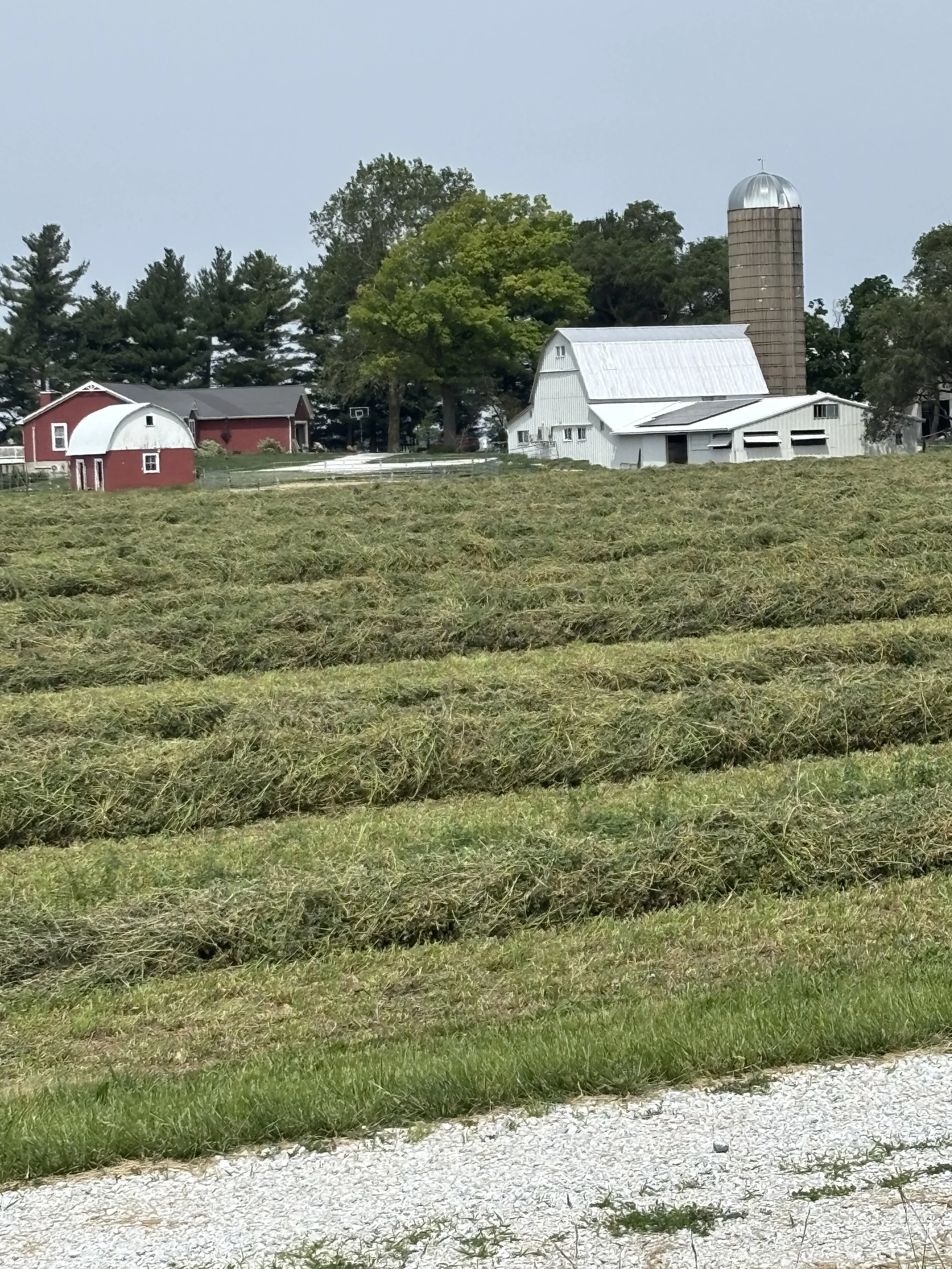
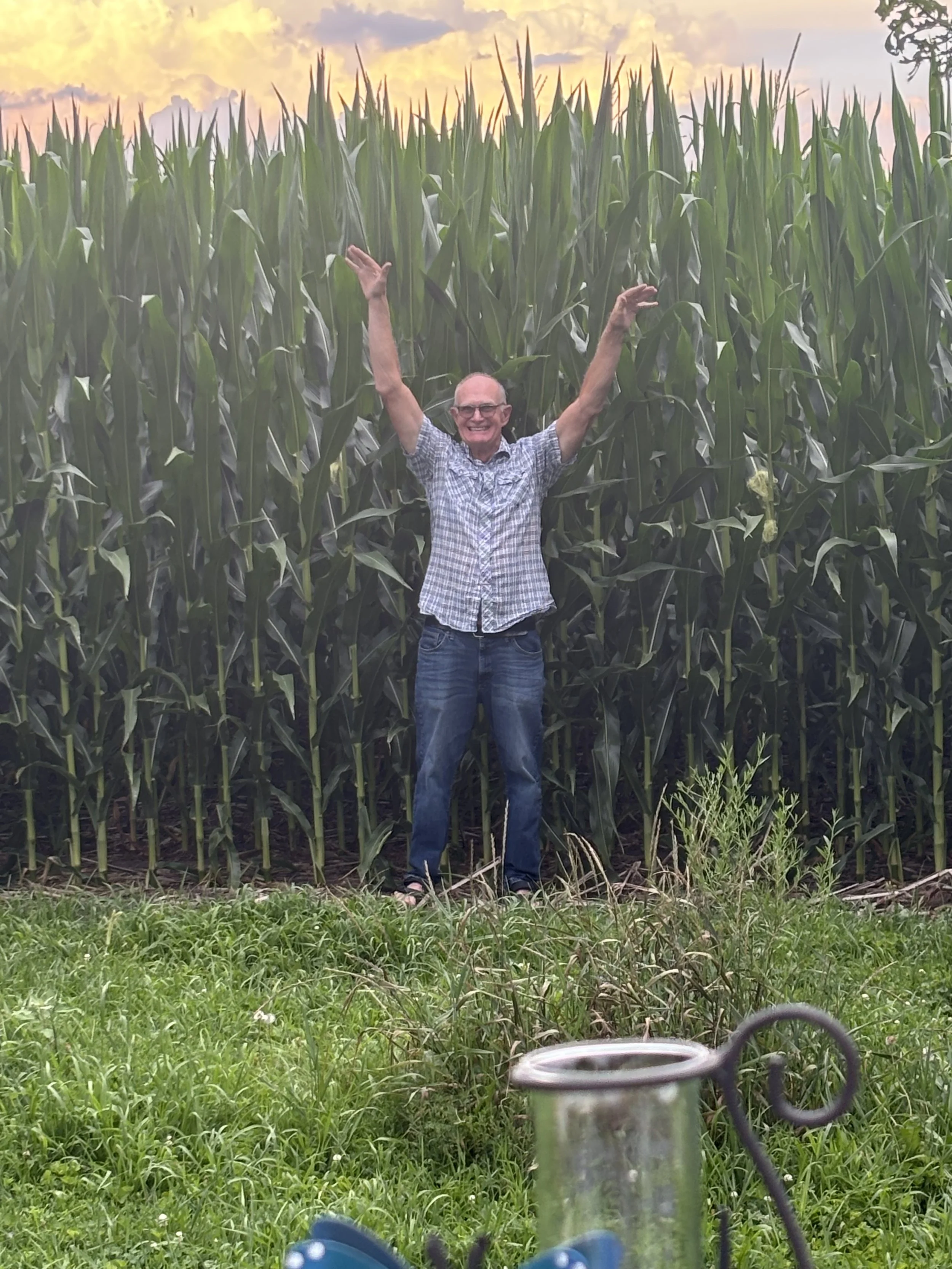
We sprayed our first-planted corn field with fungicide, and now that all the corn is tasseling, we'll follow suit on the remaining acres. With the high humidity and greenhouse-like growing conditions, there is already discussion of making two fungicide applications this year to help keep plant diseases at bay. A late first cutting of grass hay has been completed, and the second cutting from our new alfalfa seeding is in the barn. There is plenty of mowing to do along roadsides and waterways, as all the rain has really encouraged the waterhemp. We have also cleaned out the last bean bin and shipped the final load of the 2025 crop to Havana. With summer already half over, we've started trimming our special project list because there simply isn't enough time—or labor—to get everything done.

Some of the 45Z rules have finally been announced. The omission of book-and-claim is a huge disappointment for farms like ours. Because we farm using regenerative, lower-input practices, we will not be able to qualify for low-CI credits. A recent study by the National Corn Growers Association also found that Brazil pays substantially lower prices for some of the same chemicals and crop protection products that we use. Add in the on-again, off-again trade negotiations and ongoing conflicts around the world, and it's creating plenty of volatility in both energy and input markets.

The State Fair is only a month away, and school isn't far behind. We're trying to squeeze in a few days away before harvest is upon us.

Fall Prices:
Corn — $4.36
Soybeans — $11.63

Reach out with any questions or comments. Stay cool and enjoy the rest of your summer!

Steve
Wet

Partners & Friends,

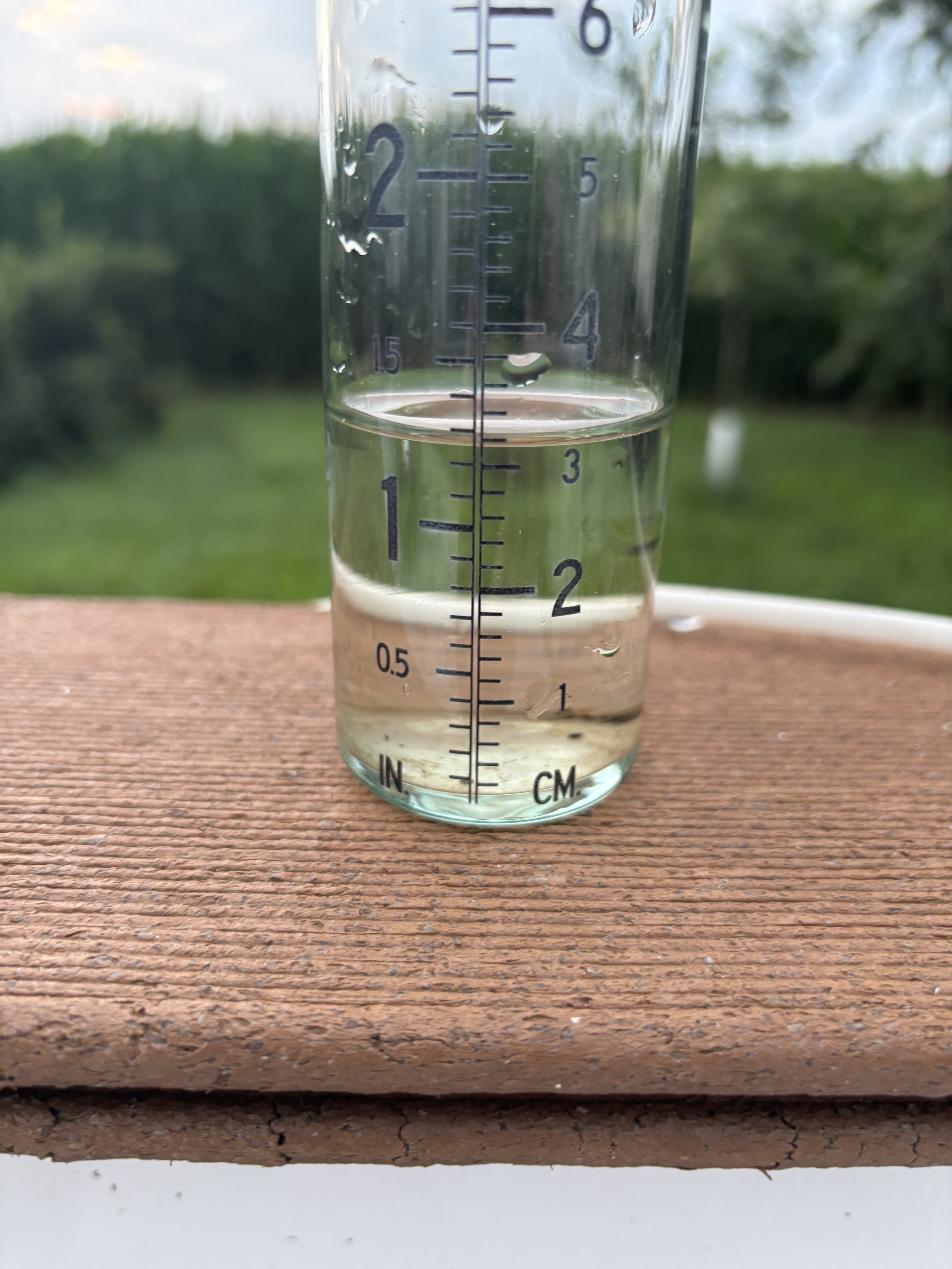
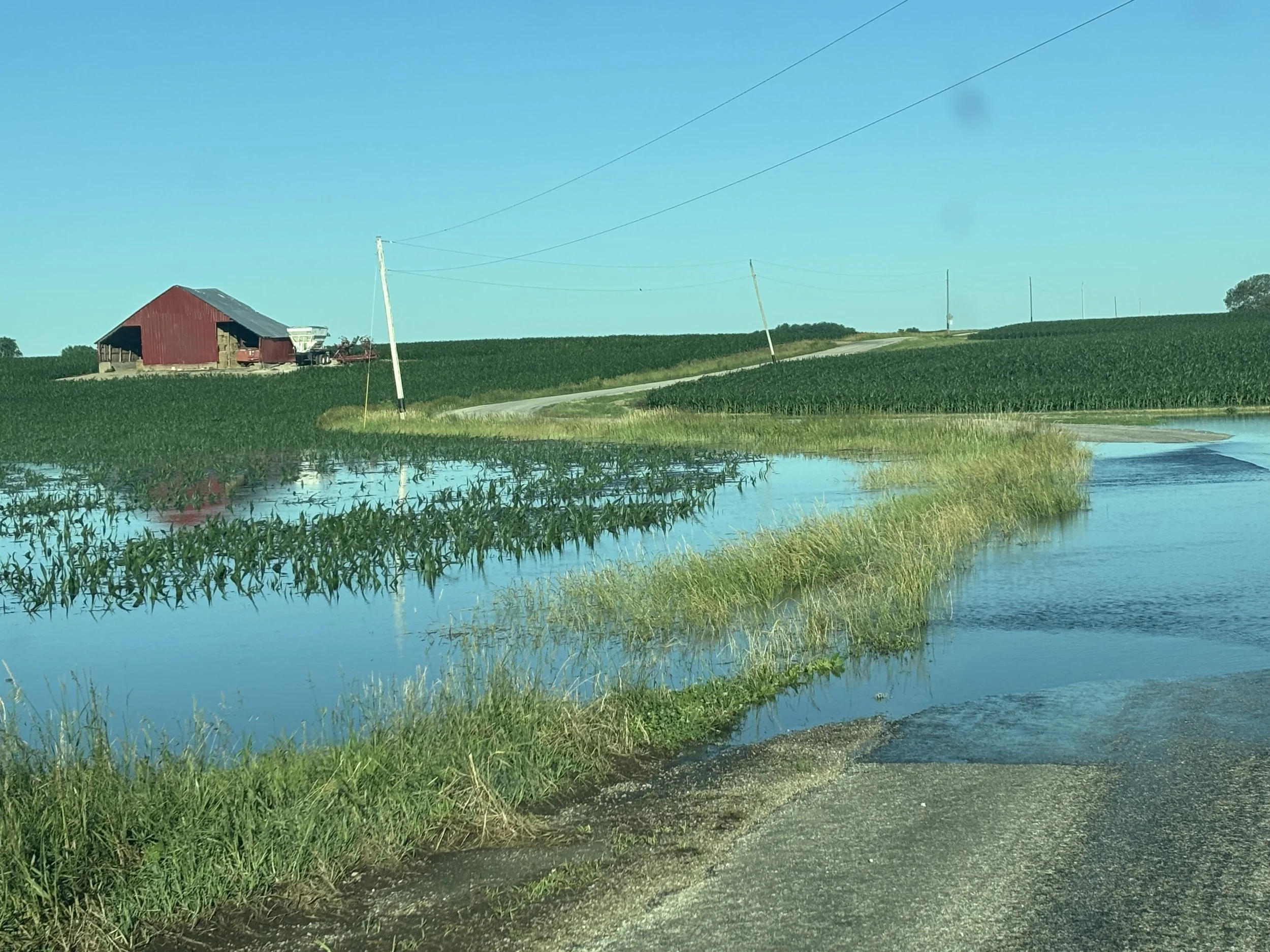
We are having quite a wet spell—over 3 inches of rain in the last four days. And more rain is forecast for five straight days starting Wednesday this week. Some bottom ground will not have a crop this year. Otherwise, the crop is looking great and growing rapidly with all the moisture and warmth. We have been able to spray in brief spurts between showers. We barely achieved coverage across all the corn acres and are about 50% complete with the second pass on soybeans.

We are making slow progress resettling our main shop after the remodel over the past few months. There is one more load of beans to haul to Havana. We are getting the mowers out and trying to spray fencerows, although the crop is growing so rapidly that we won’t be able to reach all the places we had hoped. We are servicing the planting equipment before putting it away and are already beginning preparations for harvest.

Fuel and fertilizer markets have settled somewhat, but the real question now is availability. Sulfur will probably be in short supply since a significant portion comes through the Strait of Hormuz. Fuel prices are lower but have not returned to pre-war levels. We are still waiting for 45Z guidance to determine what the rules will be. We are really hoping for book-and-claim treatment on low-CI crop credits. Our bill to eliminate Eminent Domain authority for CO₂ pipelines in Illinois did not get called for a vote. It also appears we are in for electric rate increases. 🫤 So far, no data centers have been proposed for McDonough County. 🙂

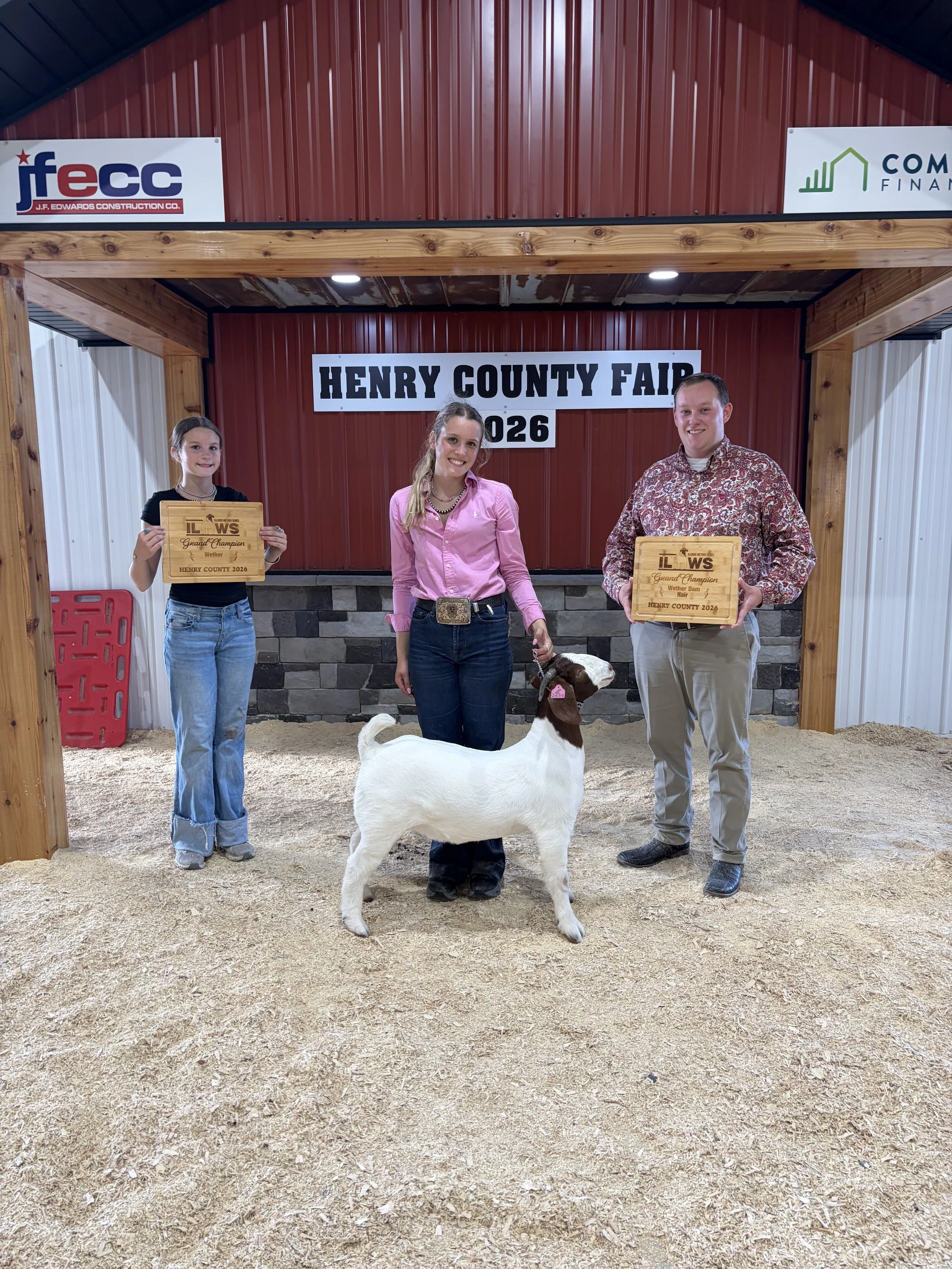
Goat show season is in full bloom. Summer camps are happening every week. The FFA Convention was a great event—my first time back in 25 years.

Fall Prices:
Corn — $4.13
Soybeans — $11.11

Celebrate and appreciate our country's 250th anniversary!

Steve

Interns

Pennycress Harvest

Partners & Friends,

Once again this summer, we have an intern spending a few weeks here at Hess Family Farm. Cadence Monson, a senior from Washington State, has been experiencing the many tasks involved in operating a Midwestern corn and soybean farm. Her family raises wheat on the rolling Palouse hills. We appreciate her vigor and get-it-done attitude. We are always looking for intern team members who want to experience farm life and explore whether it might be a future career path.

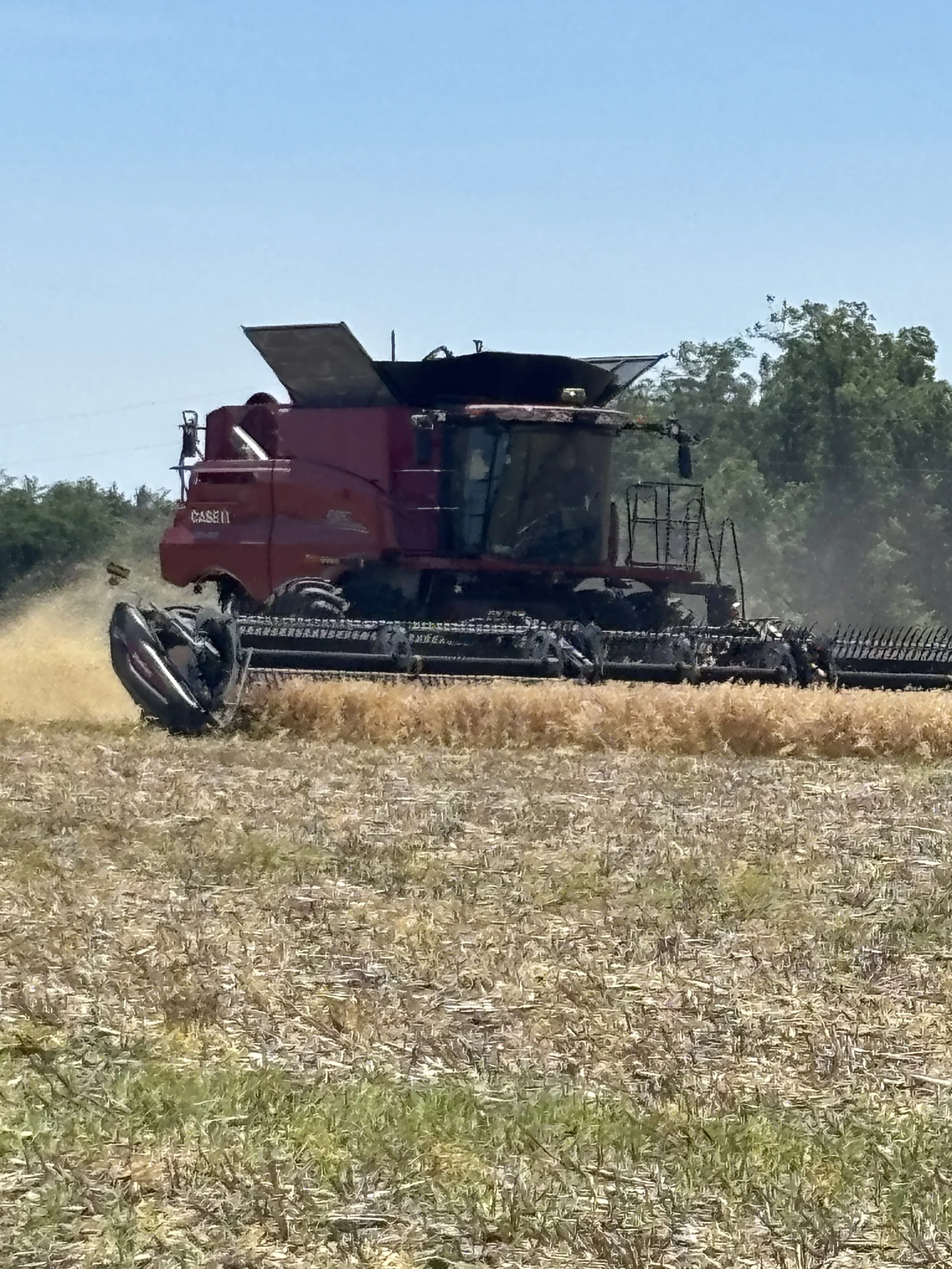
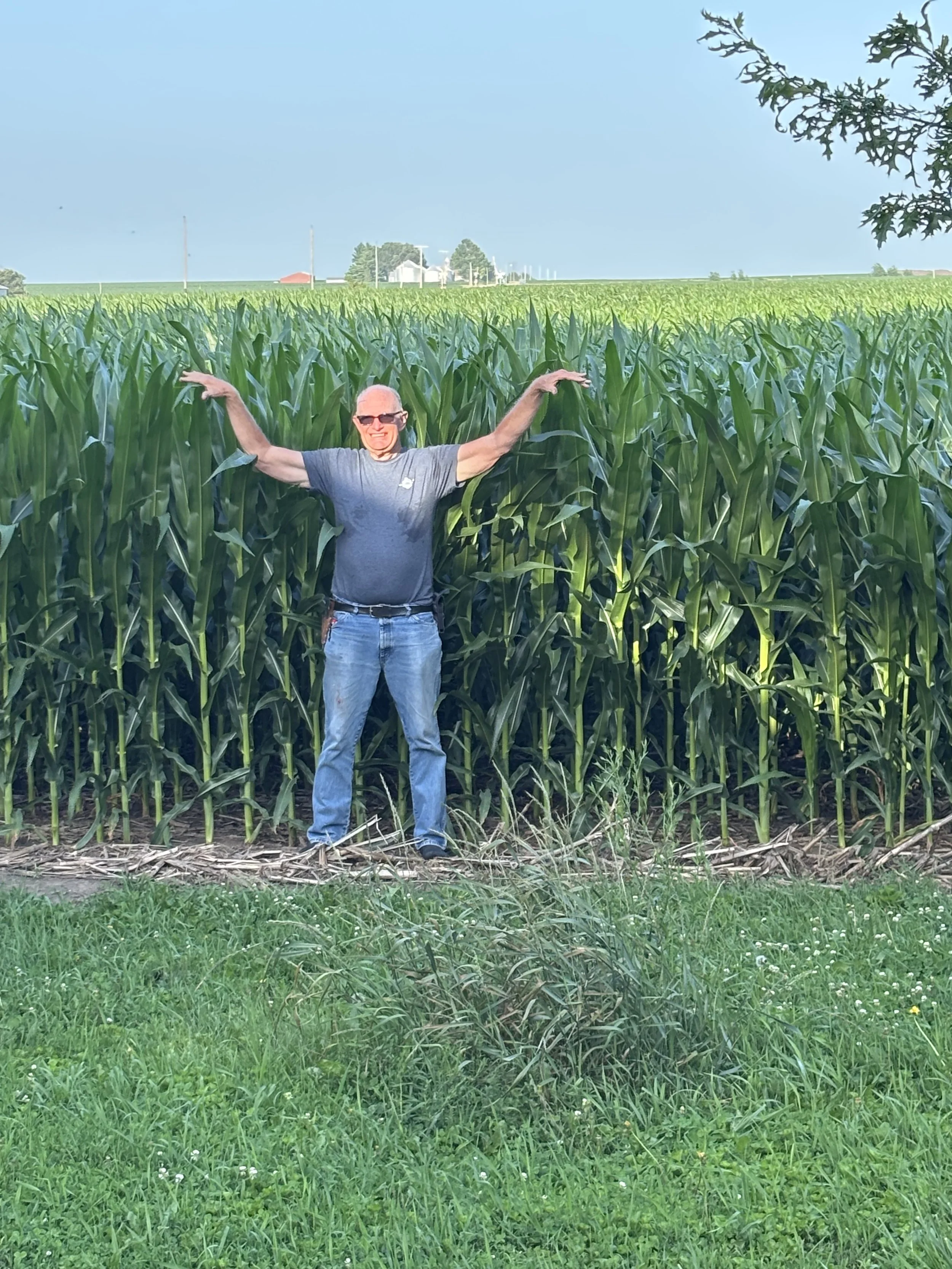
The crops are growing fast. We are wrapping up post-emergence corn herbicide applications. First-crop hay is in the barn. NH₃ side-dressing is complete. Planting equipment cleanup is mostly finished, and we are beginning to tackle some summer projects. We also checked in on a neighbor's pennycress harvest. We are down to shipping the last few loads of soybeans. A good rain would sure be welcome.

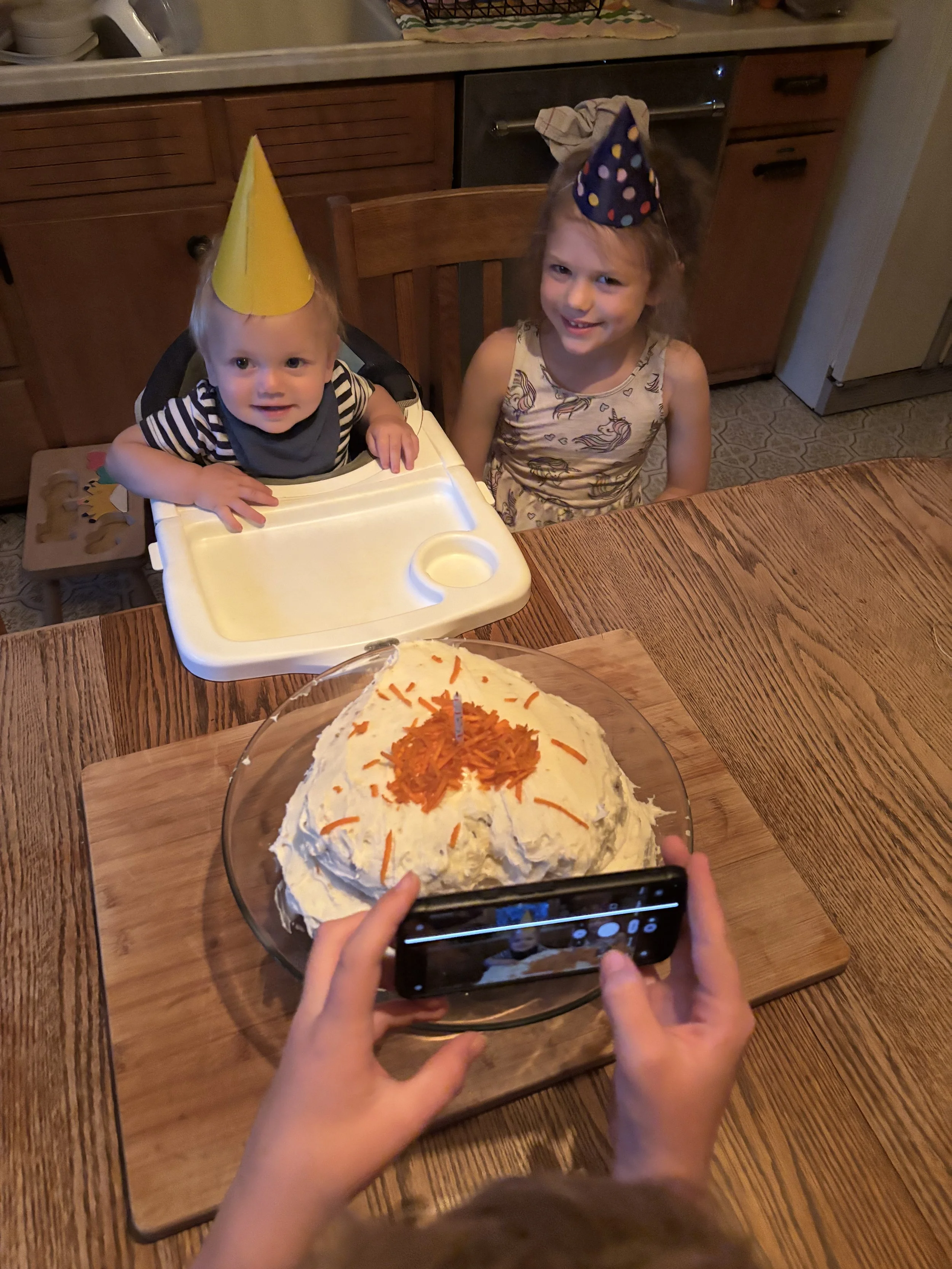
Phyllis's knee is healing nicely—there's almost no limp in her stride. We celebrated a first birthday in Milwaukee last weekend. Our oldest granddaughter visited and worked for a week (kind of like an intern 🙂). We also took in a couple of Little League games and decorated graves for Memorial Day.

Fall Prices:
Corn — $4.19
Soybeans — $11.04

Steve

Seed Beans

Partners & Friends,

We received a quarter inch of rain just a few hours after finishing corn and soybean planting. Temperatures are finally rising, along with Growing Degree Days, so crop emergence prospects are looking good! There is a chance of rain in the forecast for each of the next 12 days…not great news for haying prospects. 🙁

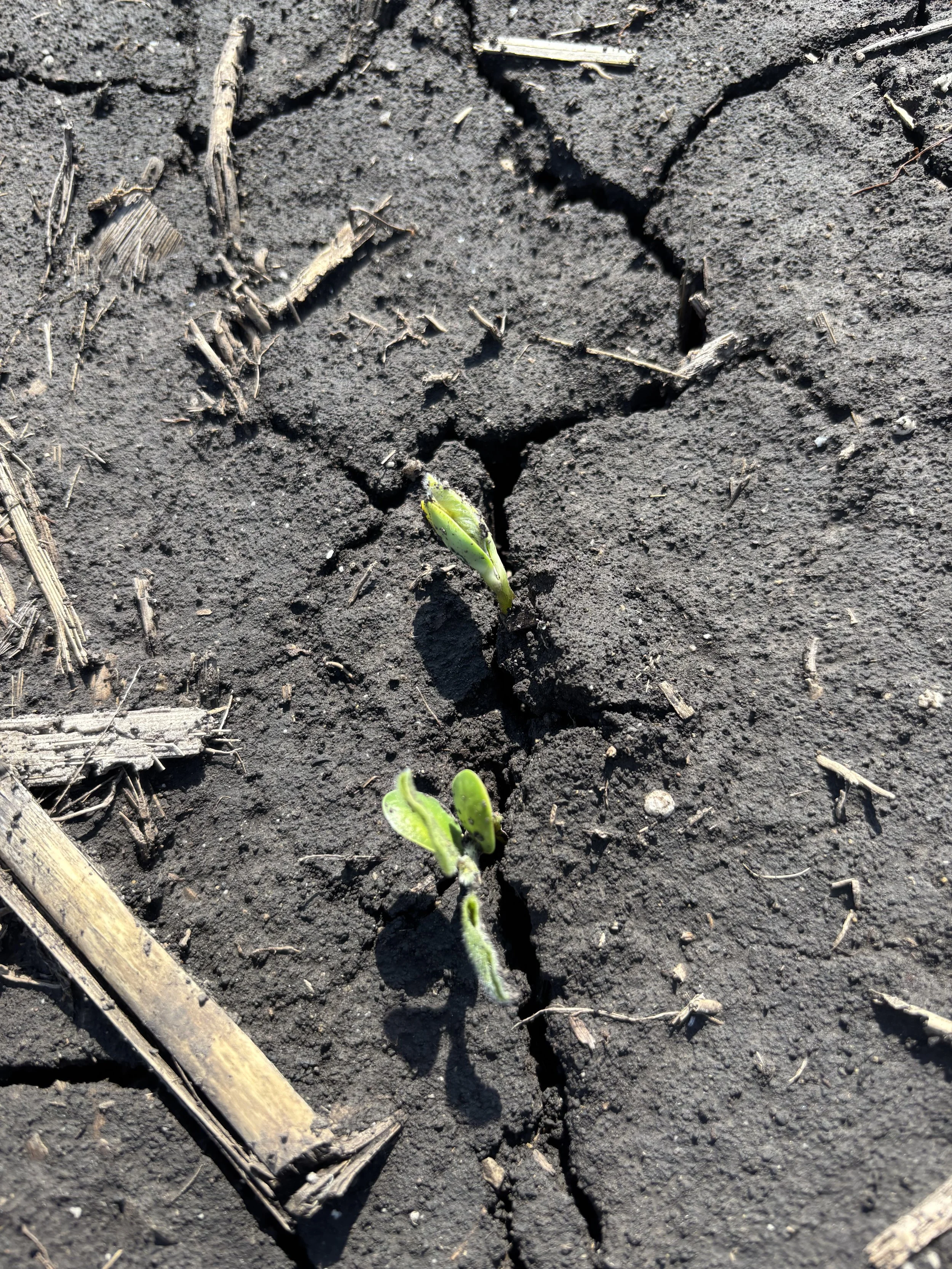
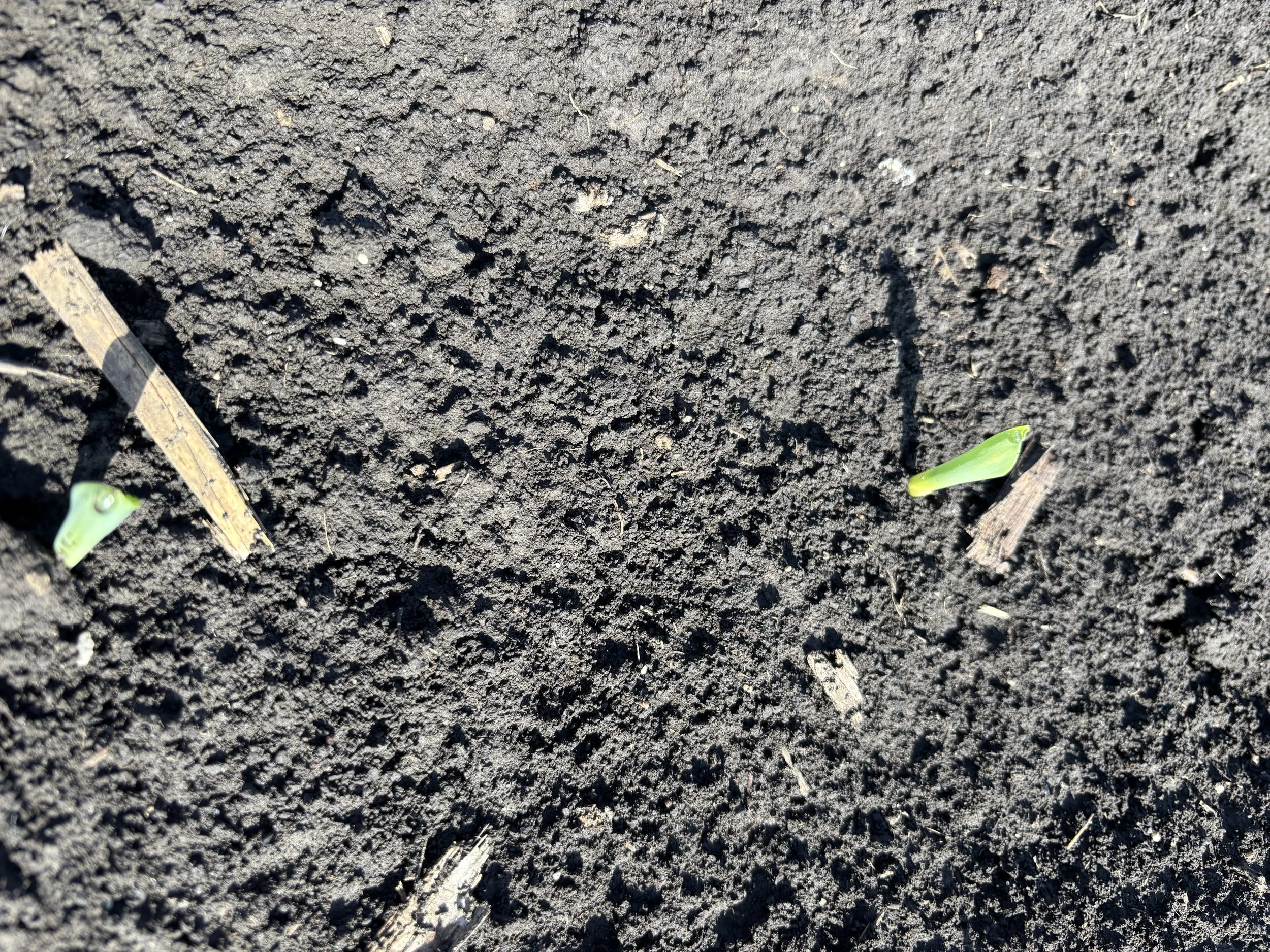
Spraying behind the planters is complete. We have replanted about 300 acres of soybeans due to poor emergence and frost damage. The team has put in some big days to get everything ready before this rain delay.

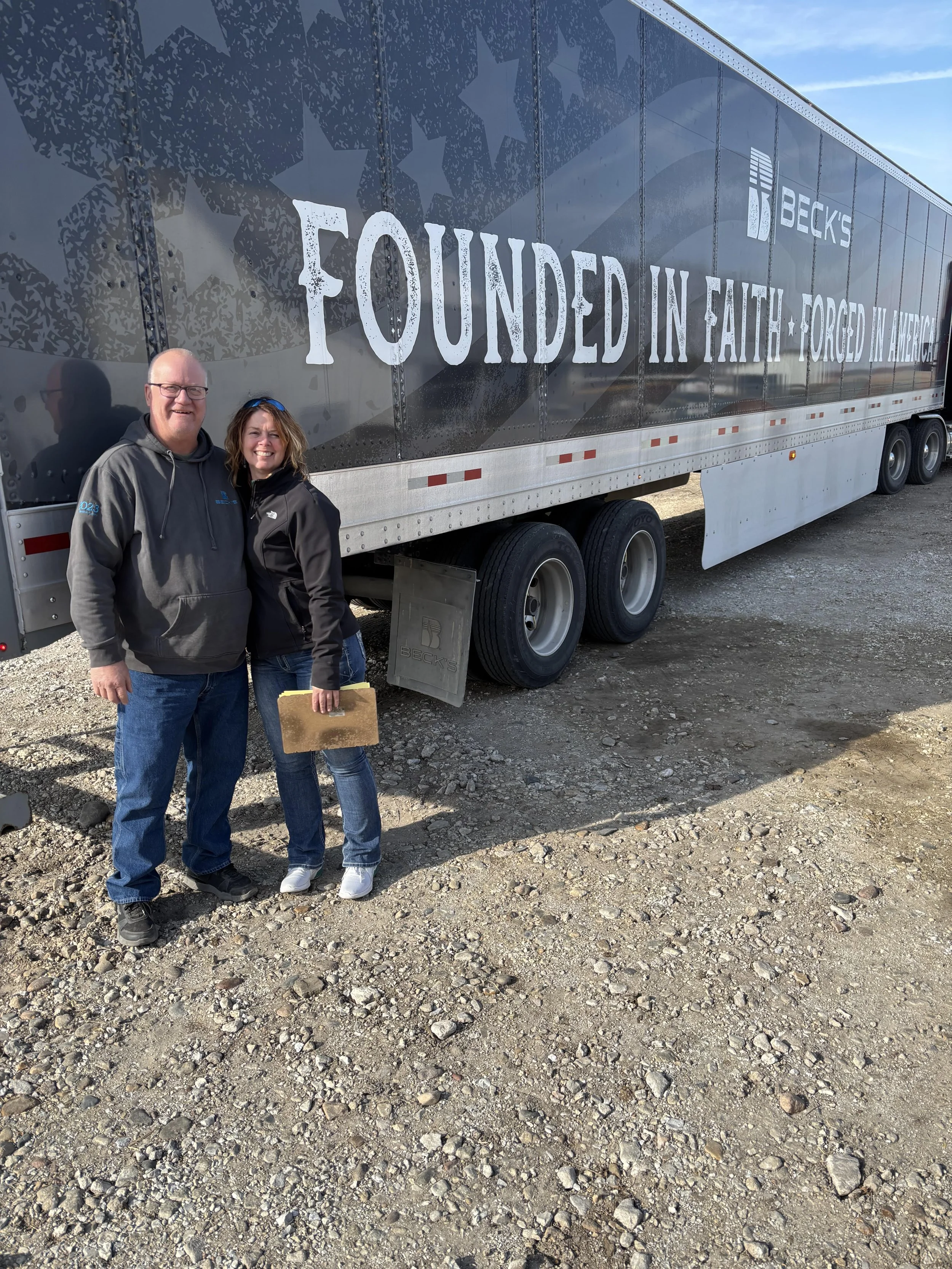
This year, more than two-thirds of our soybean production is dedicated to raising seed beans for Beck's Hybrids. Seed production requires extra management and close attention to detail. The planter must be thoroughly cleaned between varieties. Each seed field must be specifically identified and recorded. The seed receives special treatments to protect against disease. Spray applications are documented, and only approved chemicals may be used.

Before harvest, bins must be cleaned. Harvest can begin only after receiving field-by-field clearance from the seed company representative. The combine, trucks, grain carts, and wagons are cleaned between varieties. We try to match bin capacities with expected yields, but sometimes we overestimate or underestimate. That can leave unused bin space or excess production that must be delivered through regular market channels with no premium. There is a lot of management and attention to detail involved, and if harvest moisture isn’t just right, the payoff can be small. With last year’s crop, only about 30% of our production was actually called. High risk—just like farming overall. 🙂

The China visit was a real letdown in terms of trade agreements. E15 legislation in Congress is not progressing as it should. Politics seem to seep into many parts of our lives.

The school year is coming to a close. Our two oldest granddaughters are home from college for the summer. Little League season has begun. Goat show season is in full swing. And I hear the Chicago Cubs are leading their division!

Fall Prices:
Corn: $4.60
Soybeans: $11.38

Soak up summer!

Steve
Spring Is Here

Partners & Friends,

It may not feel like it today with a high of 45, but things are turning green and the grass is ready for its first mowing. This past week we received nearly 4 inches of rain, and judging by the state of our basement, the soil profile is full of moisture.

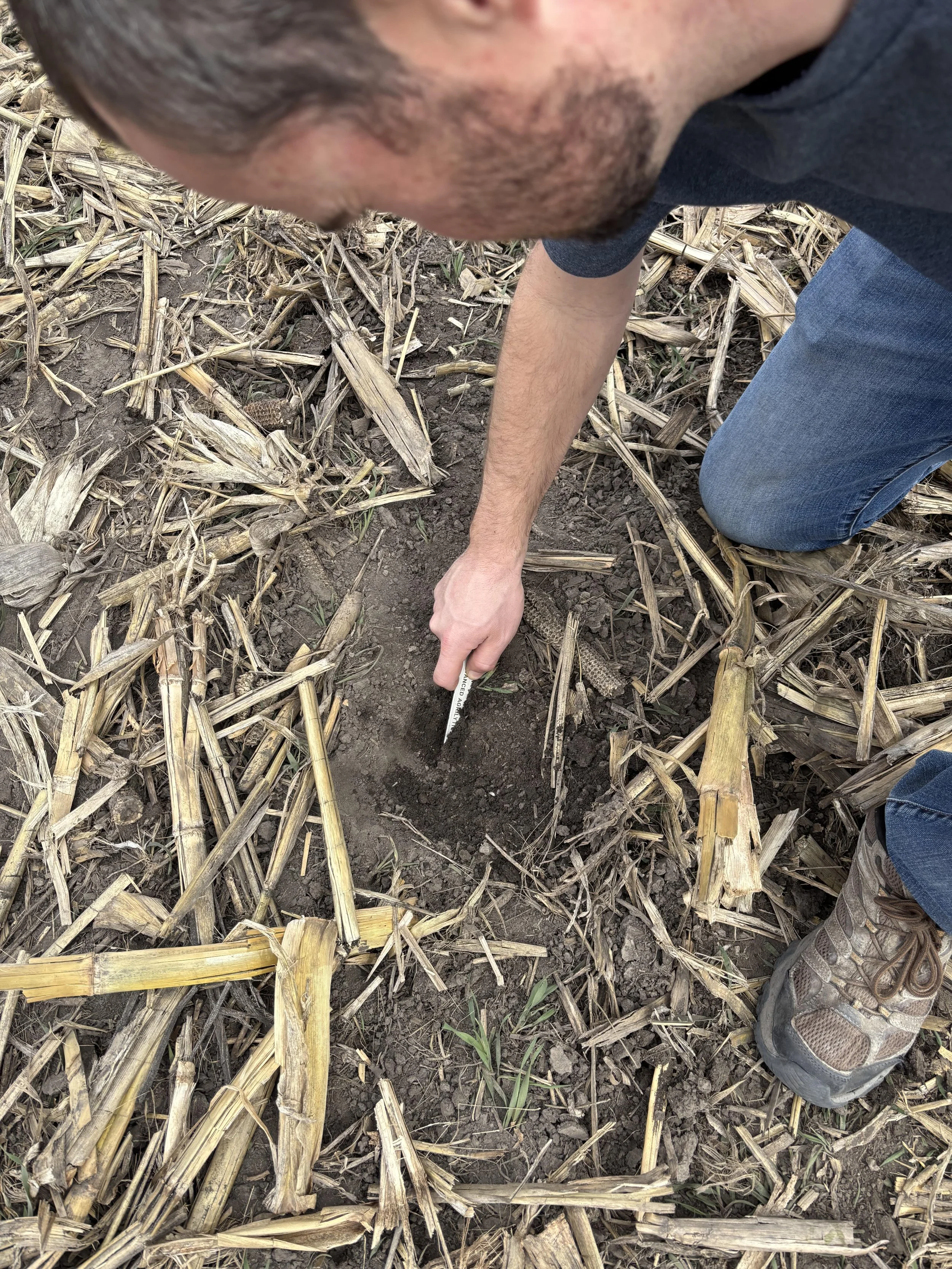
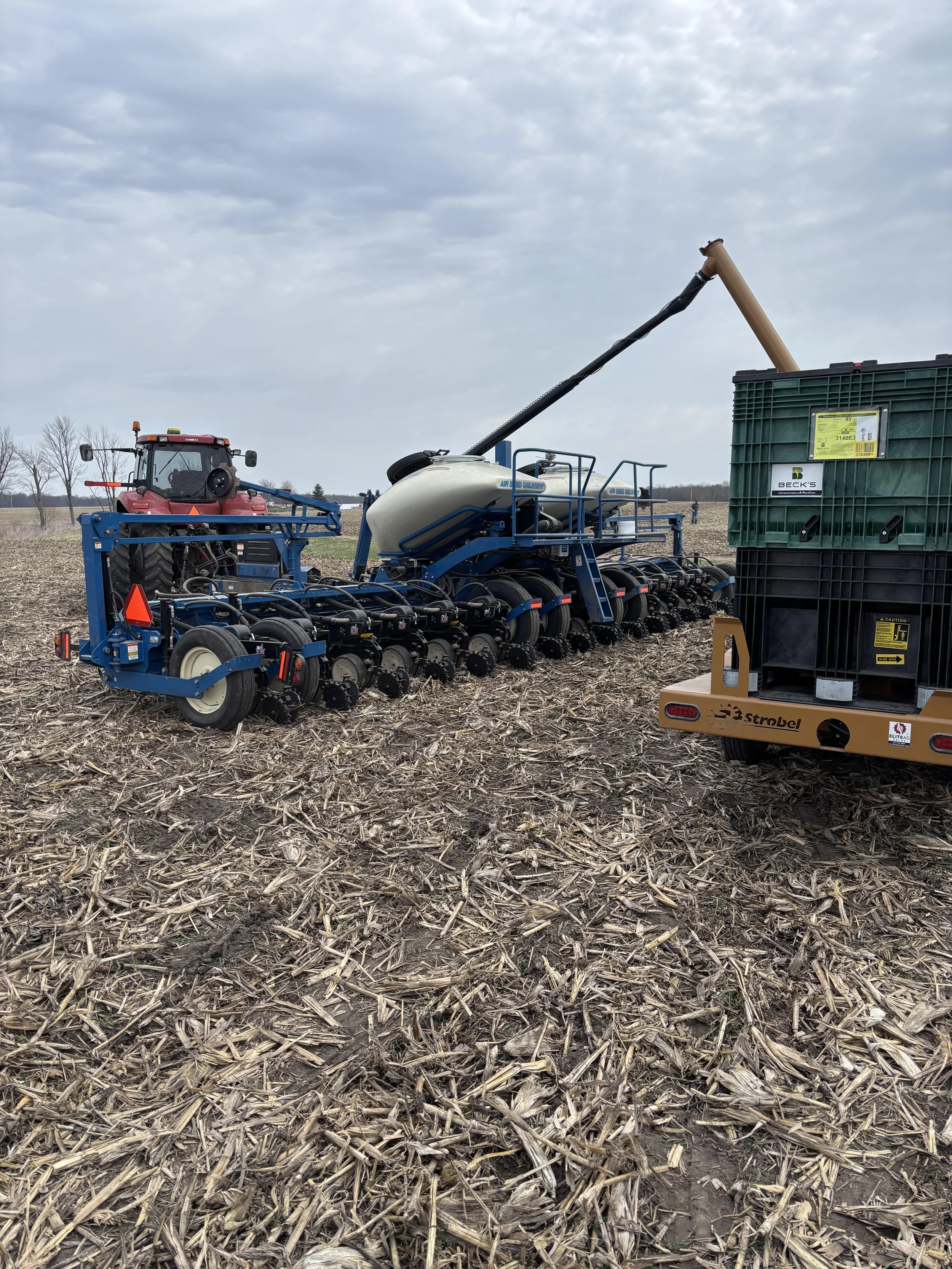
About two weeks ago, we planted roughly 350 acres of soybeans. It was a good opportunity to test the bean planter and get some of the farther-out fields done (those that take a bit more time to access). None of the beans have emerged yet. Over the past few years, we’ve leaned toward planting beans early when soil conditions allow. It’s usually better to plant in ideal conditions now than risk getting pushed into fields that are too wet later if the weather doesn’t cooperate.

We’ve started applying biologicals and burndown to those first planted fields. The next two weeks look fairly wet, so we’ll see how much progress we can make. In the meantime, we’re continuing to deliver corn, and the remainder of our seed beans have now been released for commercial delivery. All remaining seed and chemicals are on hand as well.

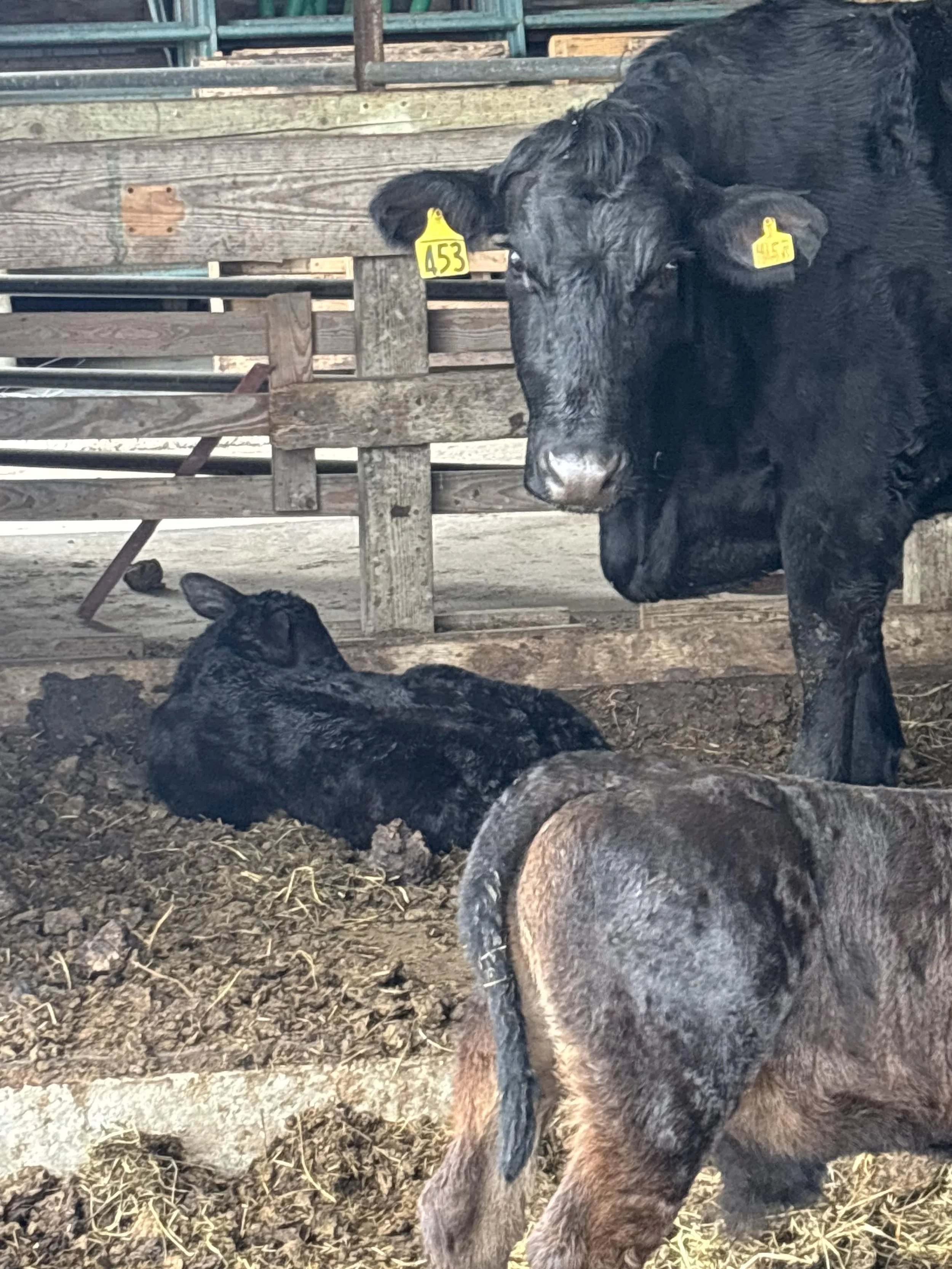
Goat kidding for this round is complete, and our last calf has been born. The cows will be heading out to pasture soon. We ended up with two bull calves and two heifer calves. Last year’s calf crop is on feed and doing very well—we’ll begin delivering them in July.

On the broader front, the war in Iran has created quite a bit of disruption in agriculture. Energy and fertilizer prices have risen sharply, and interest rates continue to climb. Political gridlock in D.C. is slowing progress on a new Farm Bill, and it’s becoming clear the U.S. isn’t entirely energy independent. On a more positive note, the governor in Springfield recently mentioned estate tax reform, which would be a welcome development. The bill to eliminate Eminent Domain for CO₂ pipelines (SB2842) is also still alive in the Illinois Senate.

On the home front, Marcus and family made it to Indianapolis to watch the Illini in the Final Four. 🤩 This week brings local FFA chapter elections—good luck, Harper! Phyllis continues to do well in physical therapy; she’s now walking with just a cane and needing fewer pain meds each day. 😍 Easter was a wonderful time with family, full of egg hunts, candy, and plenty of good food.

Fall Prices:
Corn — $4.53
Soybeans — $11.19

Enjoy spring and the renewal of the earth!

Steve