
Blue and Gold

Partners & Friends,

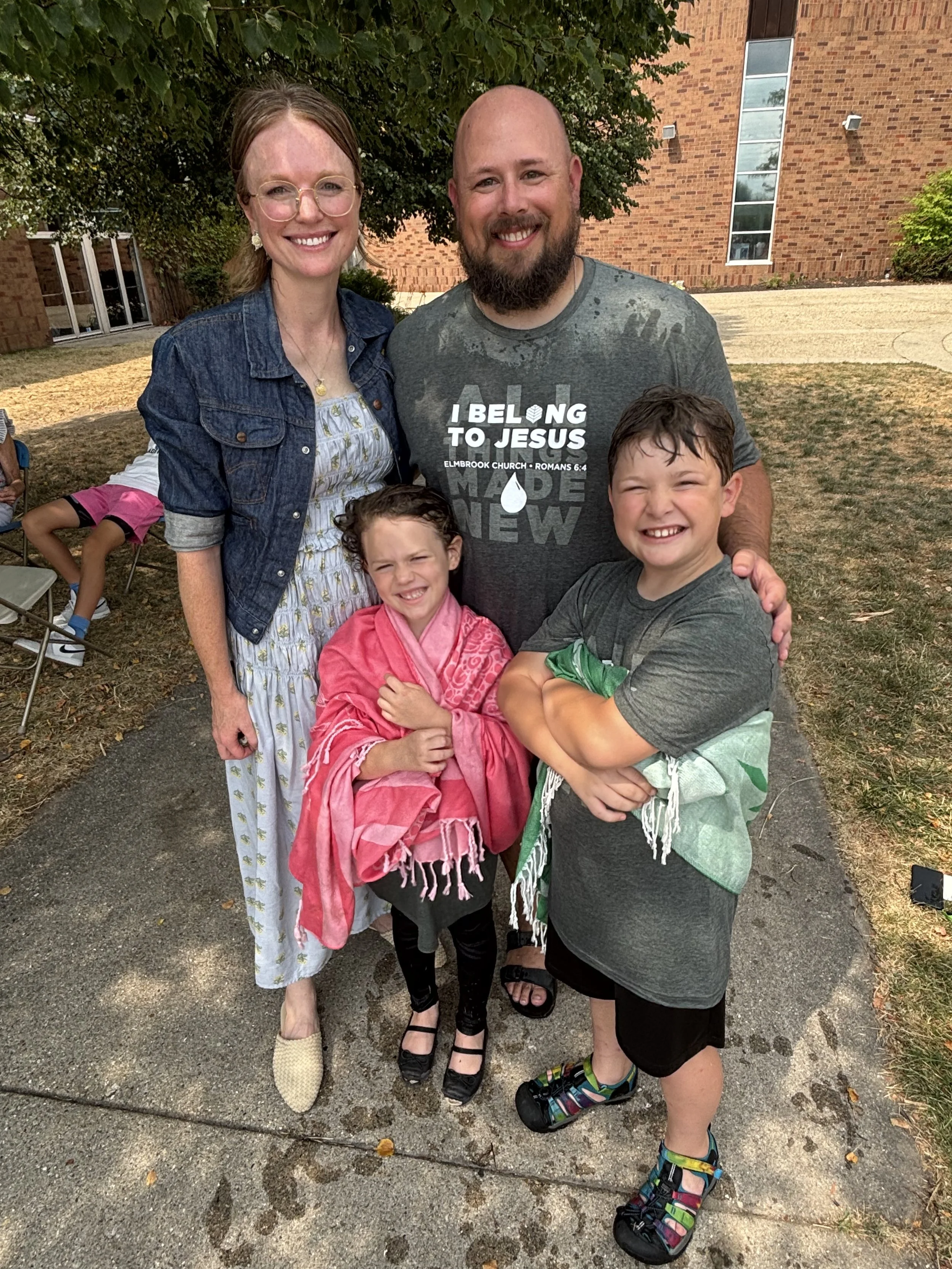
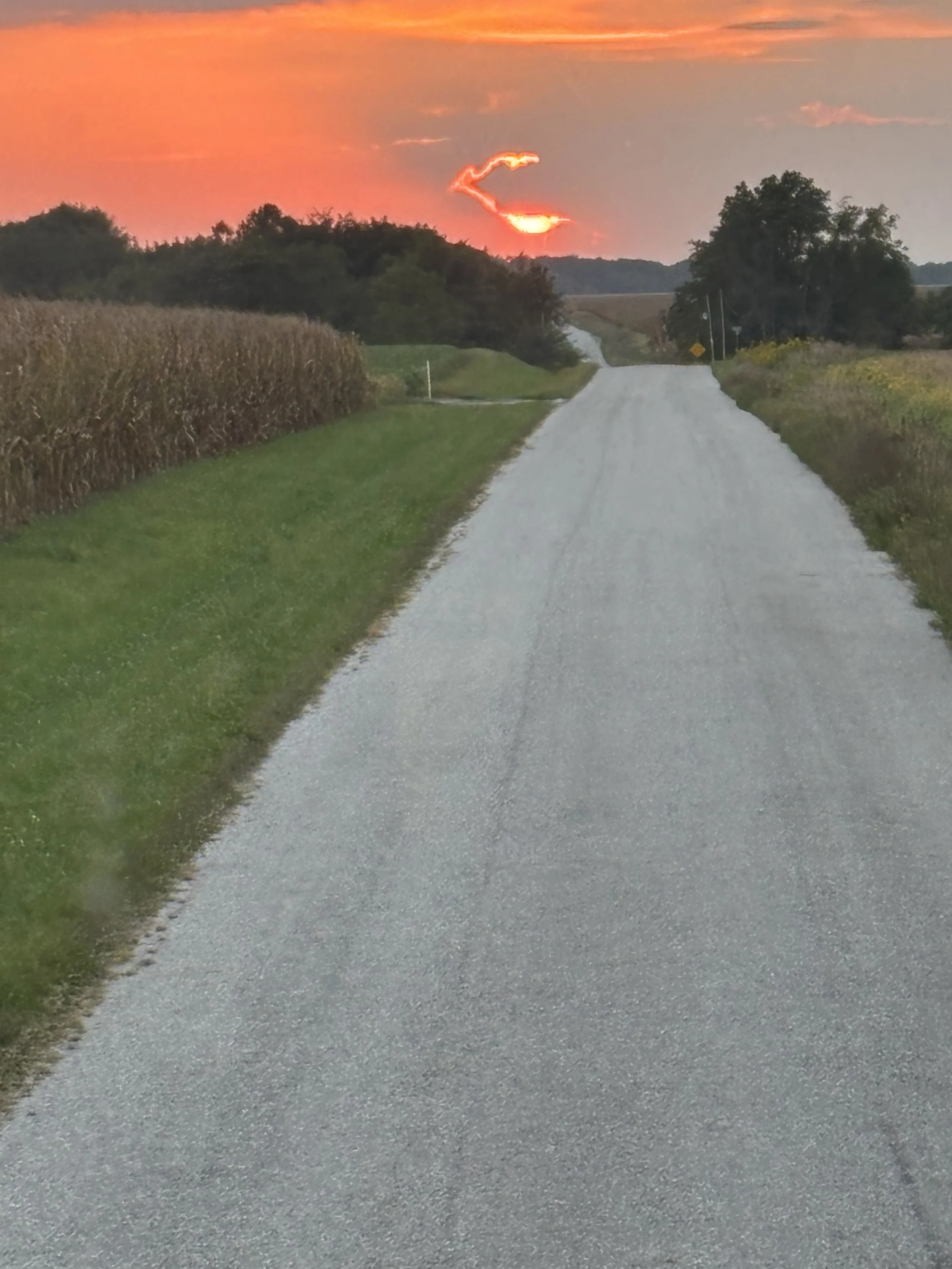
This past Saturday was our Bushnell–Prairie City FFA chapter banquet. Blue blood runs deep in our family. Grandpa Harvey Doll and Grandpa Charles were both FFA members back in their high school days. I participated in FFA all four years of high school and married the chapter sweetheart.❤️ Phyllis tried to join her junior year, but the high school principal wouldn’t allow girls in FFA back then.🙁 This year, and last, all the chapter officers are female. 😀

Marcus served as Greenhand President, Chapter President, and Illinois State Star Farmer. Marcus, Stephani, and Steve all earned American Farmer Degrees. Now the next generation is carrying it forward, using their leadership abilities and taking full advantage of the opportunities FFA provides. Finley is serving as Greenhand President. Harper was installed as Chapter Vice President last week…52 years after I held the same office. And our local ag teacher, Steve Seargant, has retired after a teaching career that helped launch several vocational agriculture teachers. FFA has developed many leaders, statesmen, stateswomen, engaged citizens, teachers, and agricultural business and production professionals.

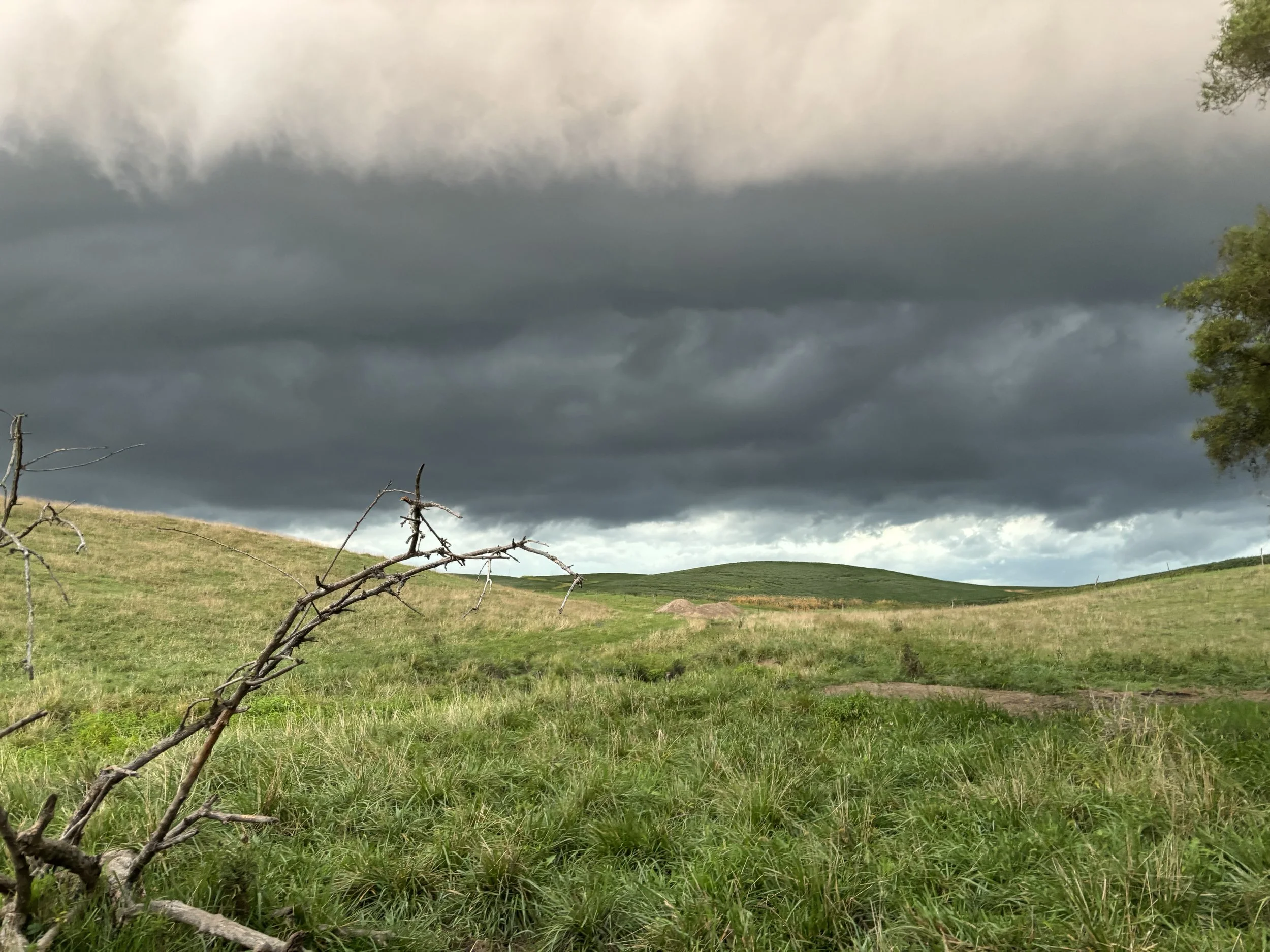
We have not planted any crops over the last two weeks due to wet conditions. Instead, we’ve been finishing repair and maintenance projects, shipping more corn, seeding waterways and completing yard projects, spraying all ground intended for beans, and taking delivery of the last of our seed. The soil profile is full of moisture, and at the next dry weather window we are ready to roll at full speed with corn and soybean planting.

Fuel and fertilizer prices remain very elevated. Commodity markets aren’t paying much attention to the Iranian war. The drought in Florida still hasn’t broken. Here in Illinois, we’re still holding out hope for new estate tax legislation and an end to eminent domain authority for CO₂ pipelines during this legislative session.

As we look ahead to planting, here are a couple of short videos worth watching on soybeans, frost concerns, and tillage vs. minimal tillage:

Soybean & Frost Considerations
https://youtube.com/shorts/JeHw2M730Z4

Tillage vs. Minimal Tillage
https://youtube.com/shorts/STMw8r73gko

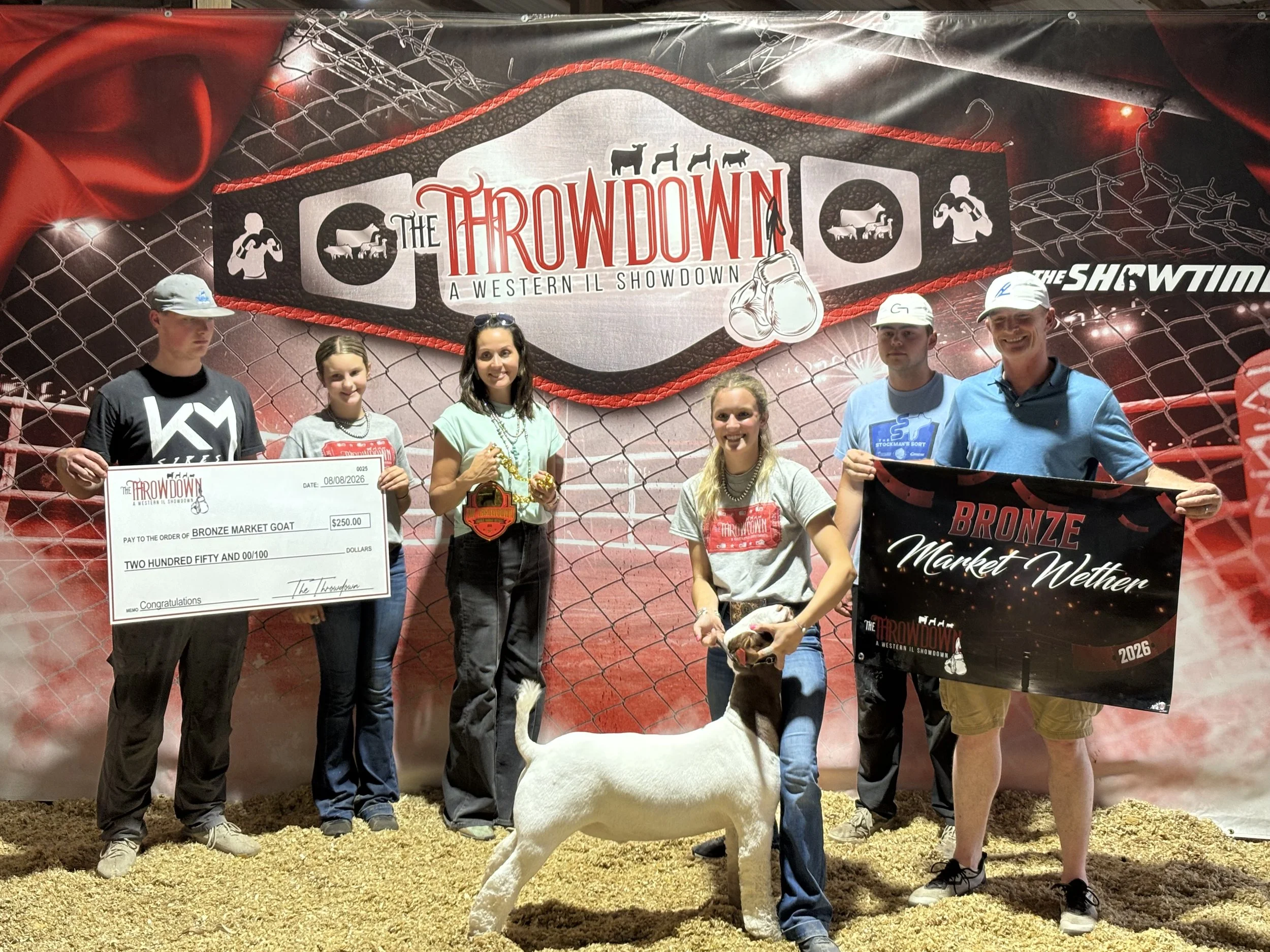
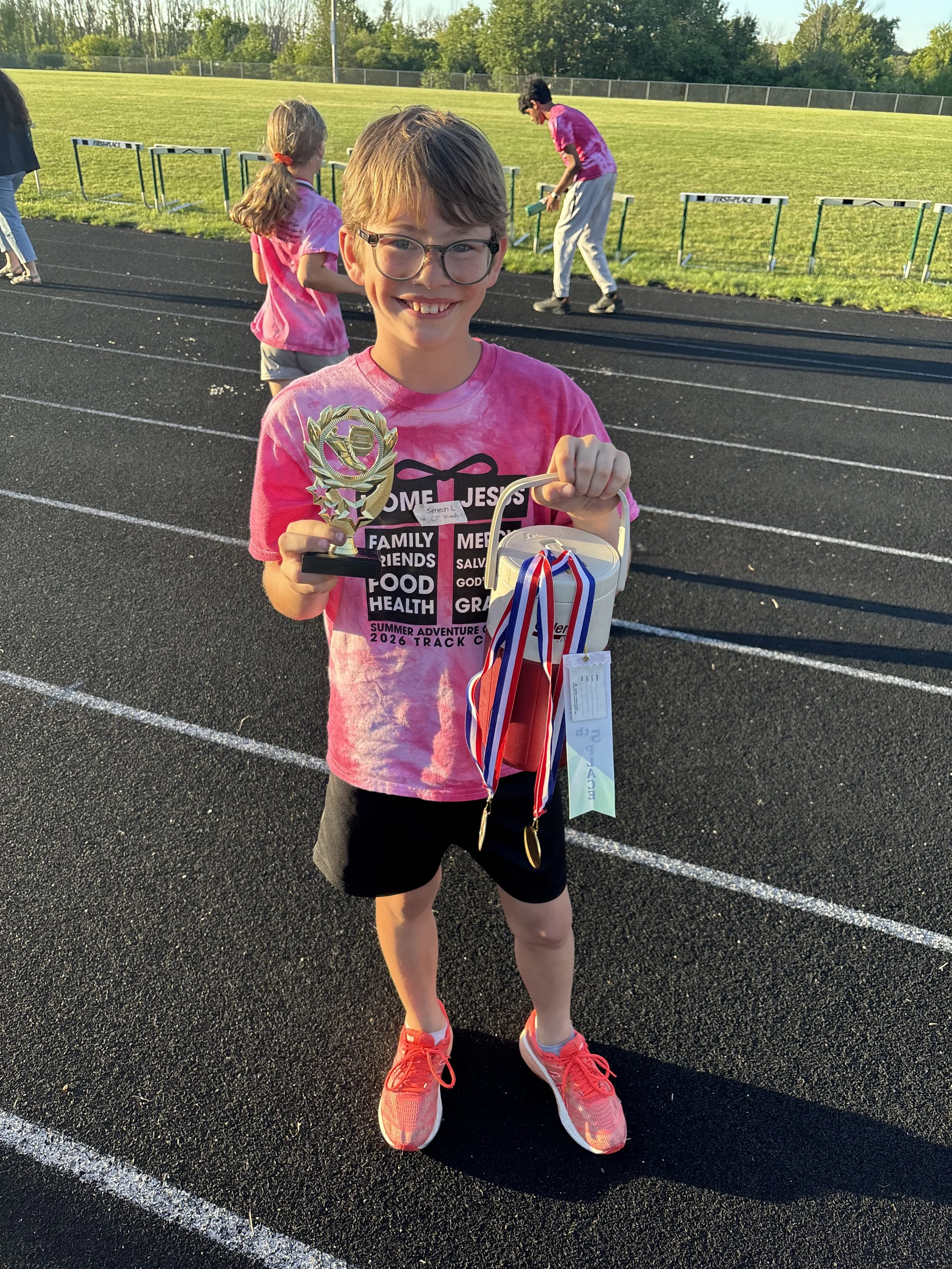
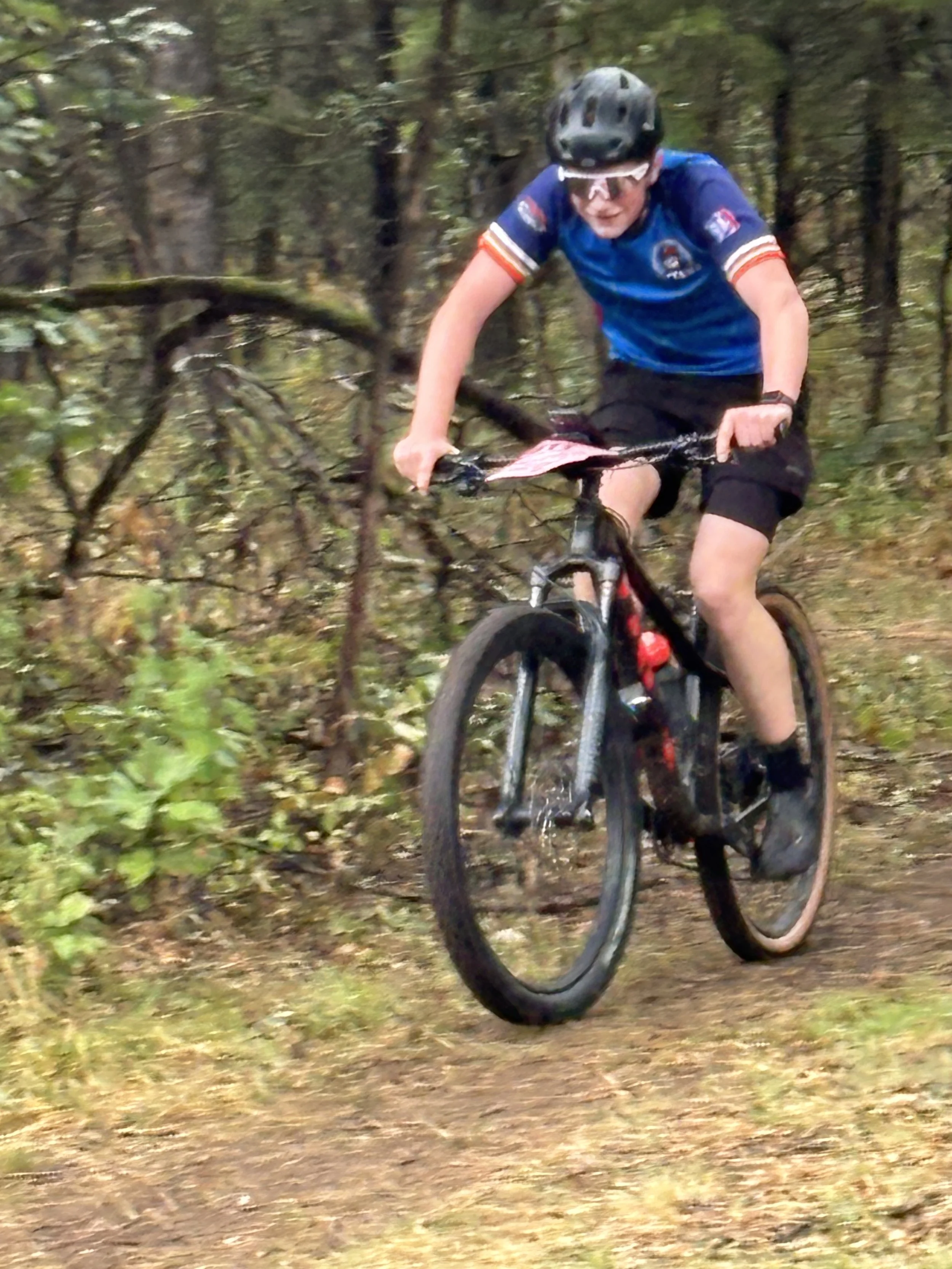
FFA chapter banquet is now behind us. Track season is in full swing. Lindsay and family made a trip to Florida to celebrate Prisca. Goat show season is heating up.

Fall Prices:
Corn: $4.39
Soybeans: $11.19

Steve

Spring Is Here

Partners & Friends,

It may not feel like it today with a high of 45, but things are turning green and the grass is ready for its first mowing. This past week we received nearly 4 inches of rain, and judging by the state of our basement, the soil profile is full of moisture.

About two weeks ago, we planted roughly 350 acres of soybeans. It was a good opportunity to test the bean planter and get some of the farther-out fields done (those that take a bit more time to access). None of the beans have emerged yet. Over the past few years, we’ve leaned toward planting beans early when soil conditions allow. It’s usually better to plant in ideal conditions now than risk getting pushed into fields that are too wet later if the weather doesn’t cooperate.

We’ve started applying biologicals and burndown to those first planted fields. The next two weeks look fairly wet, so we’ll see how much progress we can make. In the meantime, we’re continuing to deliver corn, and the remainder of our seed beans have now been released for commercial delivery. All remaining seed and chemicals are on hand as well.

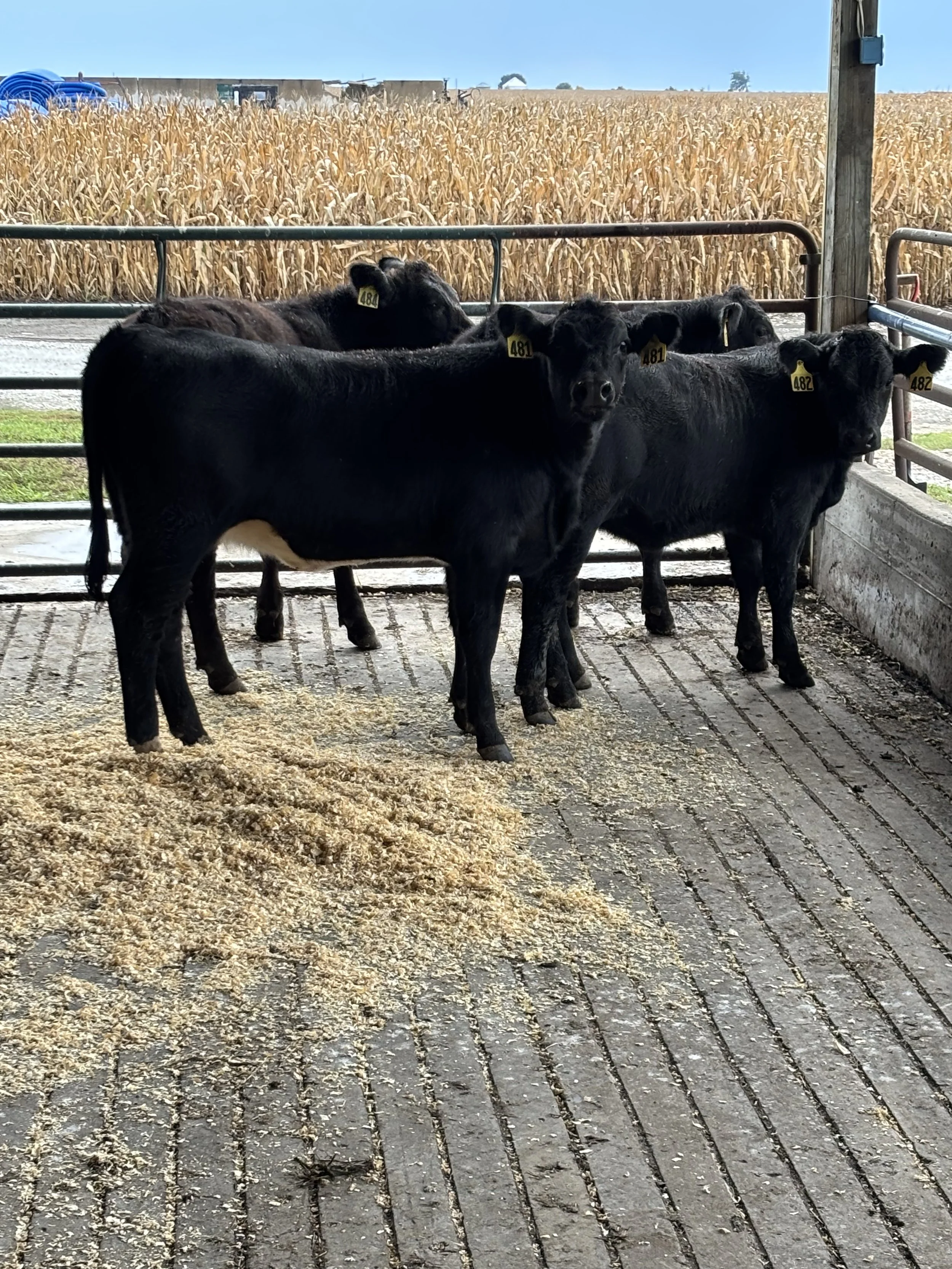
Goat kidding for this round is complete, and our last calf has been born. The cows will be heading out to pasture soon. We ended up with two bull calves and two heifer calves. Last year’s calf crop is on feed and doing very well—we’ll begin delivering them in July.

On the broader front, the war in Iran has created quite a bit of disruption in agriculture. Energy and fertilizer prices have risen sharply, and interest rates continue to climb. Political gridlock in D.C. is slowing progress on a new Farm Bill, and it’s becoming clear the U.S. isn’t entirely energy independent. On a more positive note, the governor in Springfield recently mentioned estate tax reform, which would be a welcome development. The bill to eliminate Eminent Domain for CO₂ pipelines (SB2842) is also still alive in the Illinois Senate.

On the home front, Marcus and family made it to Indianapolis to watch the Illini in the Final Four. 🤩 This week brings local FFA chapter elections—good luck, Harper! Phyllis continues to do well in physical therapy; she’s now walking with just a cane and needing fewer pain meds each day. 😍 Easter was a wonderful time with family, full of egg hunts, candy, and plenty of good food.

Fall Prices:
Corn — $4.53
Soybeans — $11.19

Enjoy spring and the renewal of the earth!

Steve
Fire!

Partners & Friends,

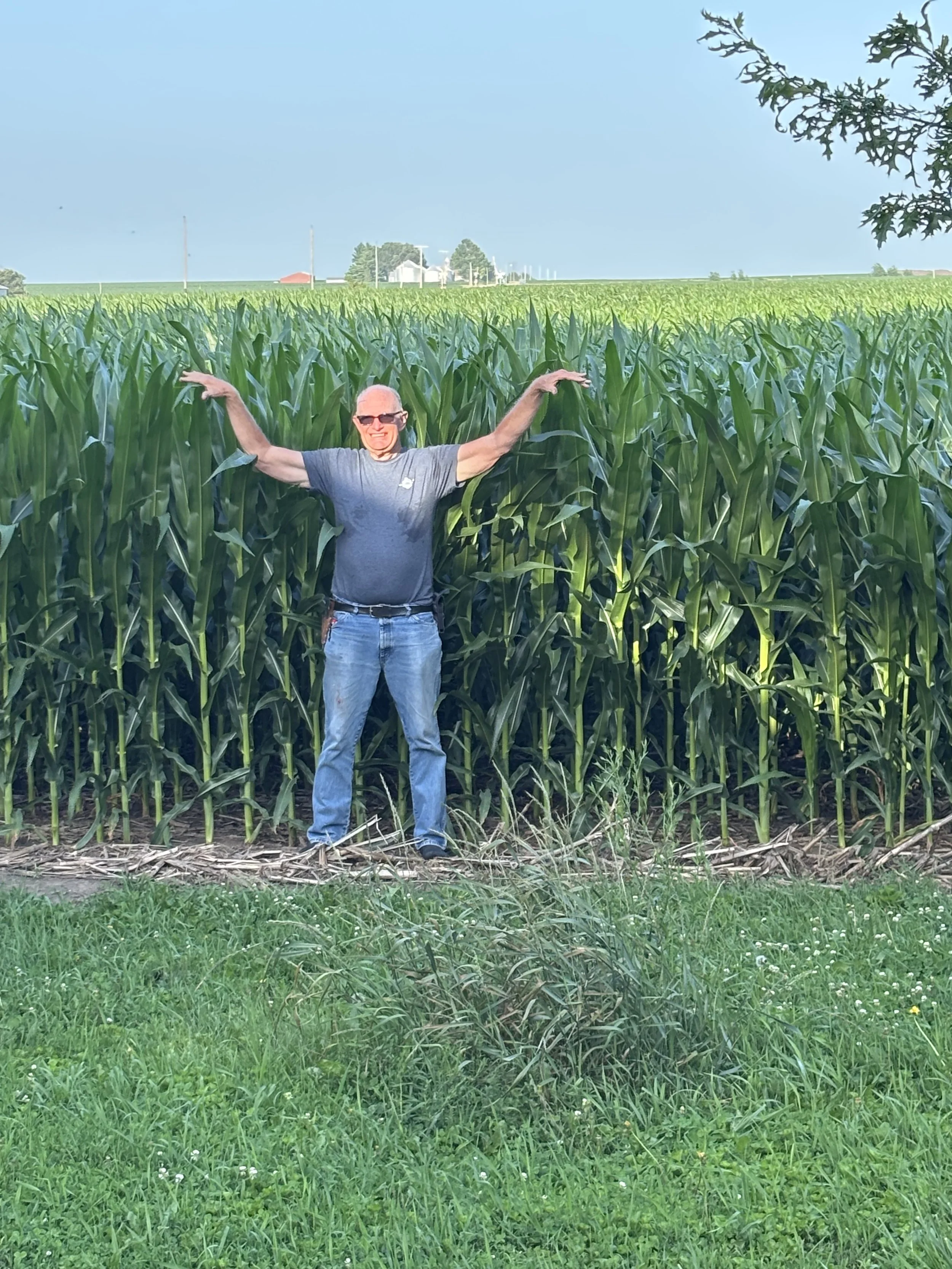
We had a bit of unexpected excitement Saturday afternoon. A neighbor from the Checkrow area called to ask if we were burning anything. Occasionally we do burn CRP acreage, but this time it wasn’t us. It turns out another neighbor was trying to expand a food plot for deer hunting, and the fire got away from him.

Two fire departments and a few hours later, things were under control. Thank goodness the wind wasn’t any stronger, and Praise the Lord for the rain and snow last week that helped moisten conditions. We are extremely grateful for the Bushnell Fire Protection District, our neighbors who stepped in to help, Uncle Phil, and the quick response from everyone involved.

We’re gearing up for spring planting. Seed is being delivered, and we’re wrapping up the last equipment repairs. Several building projects are nearing completion, with a few larger ones set to come together later this summer. Grain is moving out as quickly as local terminals can handle the large volumes currently in storage. We’re still hoping to get a few more days of tile installed.

We also have an early planting crop insurance option for soybeans, so we may take the planter out soon just to make sure everything is field-ready. And it’s kidding season for one group of goats, which is always a fun (and cute) time of year!

On the broader front, the war in Iran is creating major disruptions in fuel and fertilizer markets. Fuel prices are up more than 30%, and we’re facing fertilizer increases of up to 40% for what we’ll need in the coming months for planting and side-dressing—more margin squeeze. Commodity prices have firmed some, but most bids are still at best break-even.

Work on the Farm Bill in D.C. is slowly progressing, but if nothing gets signed until a new voting rules bill passes, it could stall things out. Locally, the primary election saw a few incumbents lose their positions. And as of today, another burn ban is in effect. 😬

On a brighter note, the FFA State Proficiency Awards were held yesterday…congratulations to Harper on being a state winner! 🏆 Phyllis is recovering well from knee surgery. We’ve been keeping an eye on the Illini and Boilermakers in the NCAA tournament, and Easter is quickly approaching, a time to celebrate our risen Savior.

Fall Prices:
Corn — $4.64
Soybeans — $11.08

Enjoy spring and the renewal of the earth! 🌍

Steve
Farm Forward

Partners & Friends,

Yesterday I attended a farm meeting at an operation similar to ours, Strom Family Farm in Knox County. I really appreciate the transparency they shared regarding the results of this past season’s on-farm trials.

What Worked:

  • Low population soybeans

  • High population corn

  • Generic fungicide

  • Applying ½ rate P in a band

  • Applying Holganix 800 as close to planting as possible

What Didn’t Work:

  • Green Lightning

  • Skipping fungicide

There was also a good ag economic report from Jim Wiesemeyer and former trader Tommy Grisafi:

  • Lots of disruption in DC (not that we didn’t need it 😬)

  • Crop insurance subsidies are the new Farm Bill

  • This downturn is likely to last a few more years

  • We’ve entered a new era where government support will be part of the farm income puzzle, like it or not

There was a lot of good, open sharing of thoughts and ideas for the future.

Back on Hess Family Farm, we are shipping grain, maintaining equipment, finishing the last NH₃ application, and finalizing crop input details, along with wrapping up the last few farm meetings. 😏 Most of the utility work for the shop update is complete.

We need to make crop insurance decisions by the end of next week. We’re taking delivery of seed and chemicals and finalizing written plans for spring operations. We’ve also received some very nice rain over the past few days, helping replenish soil moisture.

It is now nearly impossible to get pricing for side-dress NH₃. Fuel prices are up about 20% (fortunately we did secure some laid-in and booked inventory), and as energy prices rise, corn and soybean prices are following, although not at the same pace.

We are still waiting for 45Z guidance—hoping for book-and-claim. 🙏 Meanwhile, since FSA is reorganizing its software programs, we cannot proceed with farm reconstitutions or some farm program details. So much uncertainty!

Family life is busy. Volleyball and basketball seasons are complete, one more gymnastics competition remains, and FFA judging season is in full swing. Ali has moved into a new place in Asheville, and we squeezed in a brief visit to Hidden River before Phyllis’s knee surgery next week. Wisconsin is eagerly anticipating the end of snow season and the beginning of baseball and soccer season.

Fall Prices:
Corn — $4.50
Soybeans — $11.12

Comments and likes are welcome! 🤩

Steve
More Meeting Thoughts

Partners & Friends,

Here is a list of takeaways from the meetings we attended over the past few weeks.

AgView Solutions Executive Business Conference
Ag management and consulting

  • Who are the five people you spend the most time with—and do you respect their opinions?

  • Your attention is the most valuable thing you own.

  • 2026 plans: no capital expenditures; focus on cover crops and custom grazing; market more aggressively; more corn-on-corn; rent decreases will be hard to come by.

  • You can’t delegate what you can’t define.

  • What perspective do you need to change, and where do you need to plan better?

  • AI: get familiar with it.

  • Stay close to your lender, insurance agent, and marketing consultant.

  • Japan may be heading toward a financial crisis.

  • Productivity increases are happening—AI isn’t the only reason.

  • Government assistance likely won’t help ag much; it may just prolong the pain.

  • Global corn demand is strong.

  • Success in life comes from your ability to manage the margin of greatness.

  • Living is what we get; life is what we give.

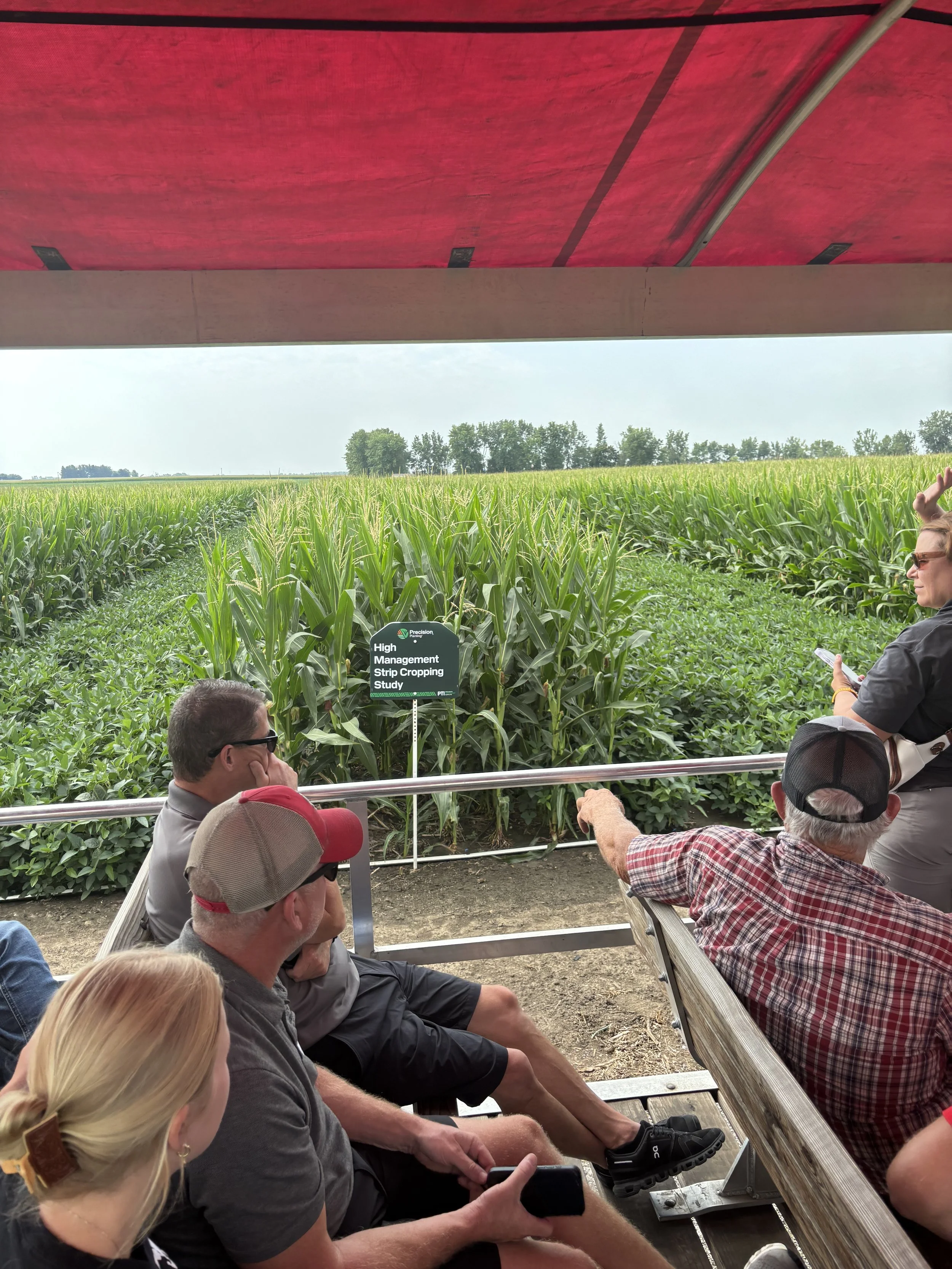
  • Strip-tillage allows for up to a 50% fertilizer rate reduction without economic impact.

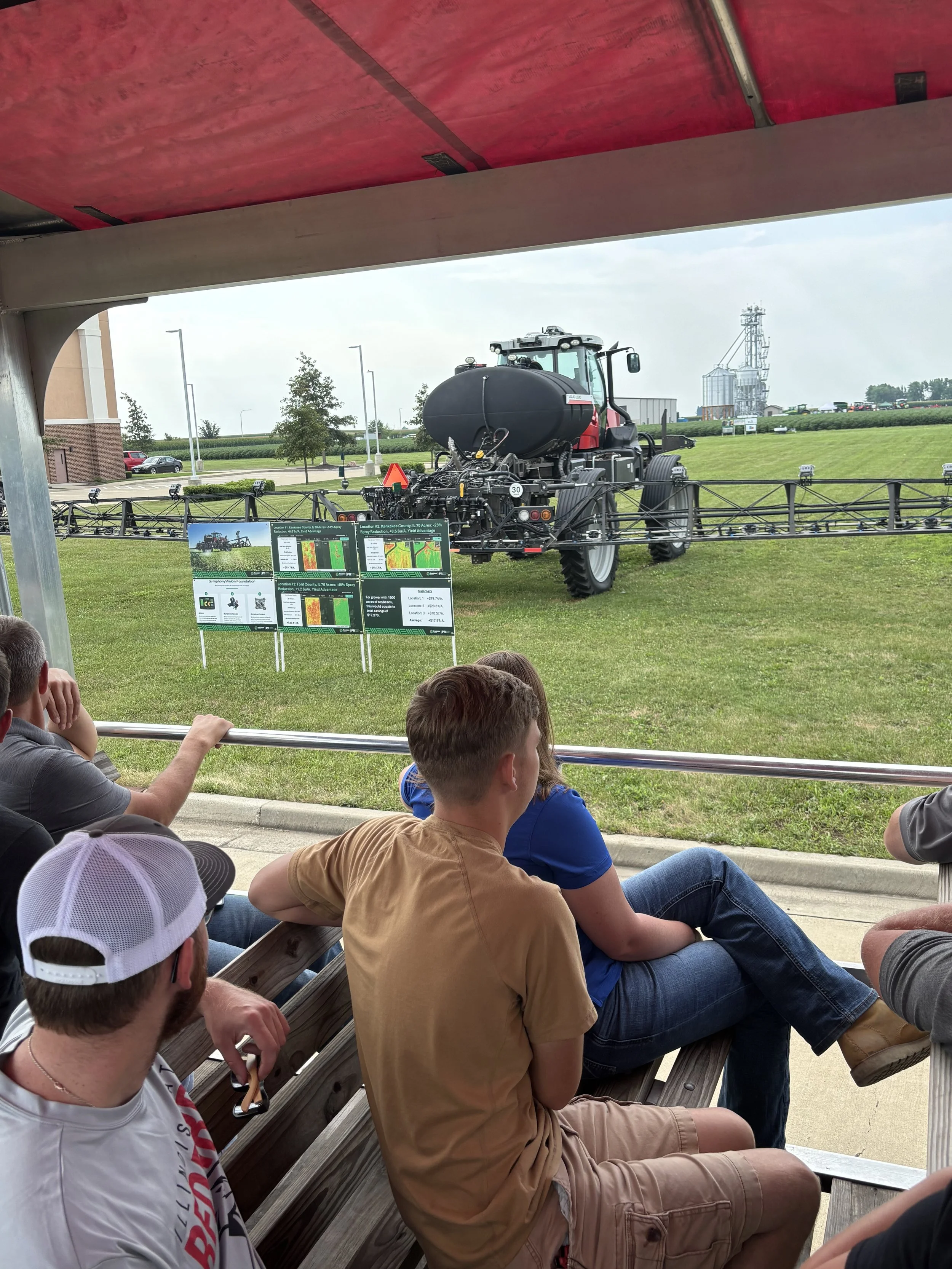
  • Equipment technology is advancing fast: spot spraying, smoke spraying, and improved corn seed placement.

2026 Illinois Soybean Association Summit

  • The current crop support structure tilts benefits toward southern producers.

  • The way Farm Bill issues were addressed in OBBB has further fragmented the industry.

  • We are where we are—where we go from here is what matters.

  • Cover crop microbes can remain active at temperatures as low as 15°F.

  • Phosphate prices are expected to be higher in 2026 after the next few weeks.

  • U.S. farmers are paying a premium for inputs due to tariffs and global politics.

  • NH₃ prices should soften in 2026 if global fundamentals align.

  • Brazil has 70 million acres available without rainforest destruction.

  • Land costs in Brazil are minimal compared to the U.S.

  • Government supports are pushing marginal farmers to produce surplus crops, distorting markets and driving up land rent and price supports.

  • On average, there are now 10 fewer days for fieldwork between March 15 and May 30 compared to 20 years ago.

  • What can I do to hand this off better?

Holganix

  • Reducing nitrogen usage helps maintain soil pH longer.

  • 72% of global GDP now operates within a regulated carbon market.

  • The U.S. will need 20% more energy in the next five years to power data server farms.

  • Microsoft purchased 47 million tons of carbon credits in 2025.

  • Farmers can store up to 5 tons of CO₂ per acre, valued at roughly $30 per ton.

  • Estimated farmer share is about $70 per acre.

WHO WE ARE

Enough downloading for now—back to winter farm tasks: keeping livestock warm and watered, office work, and planning time for 2026.

Keep in touch,
Steve