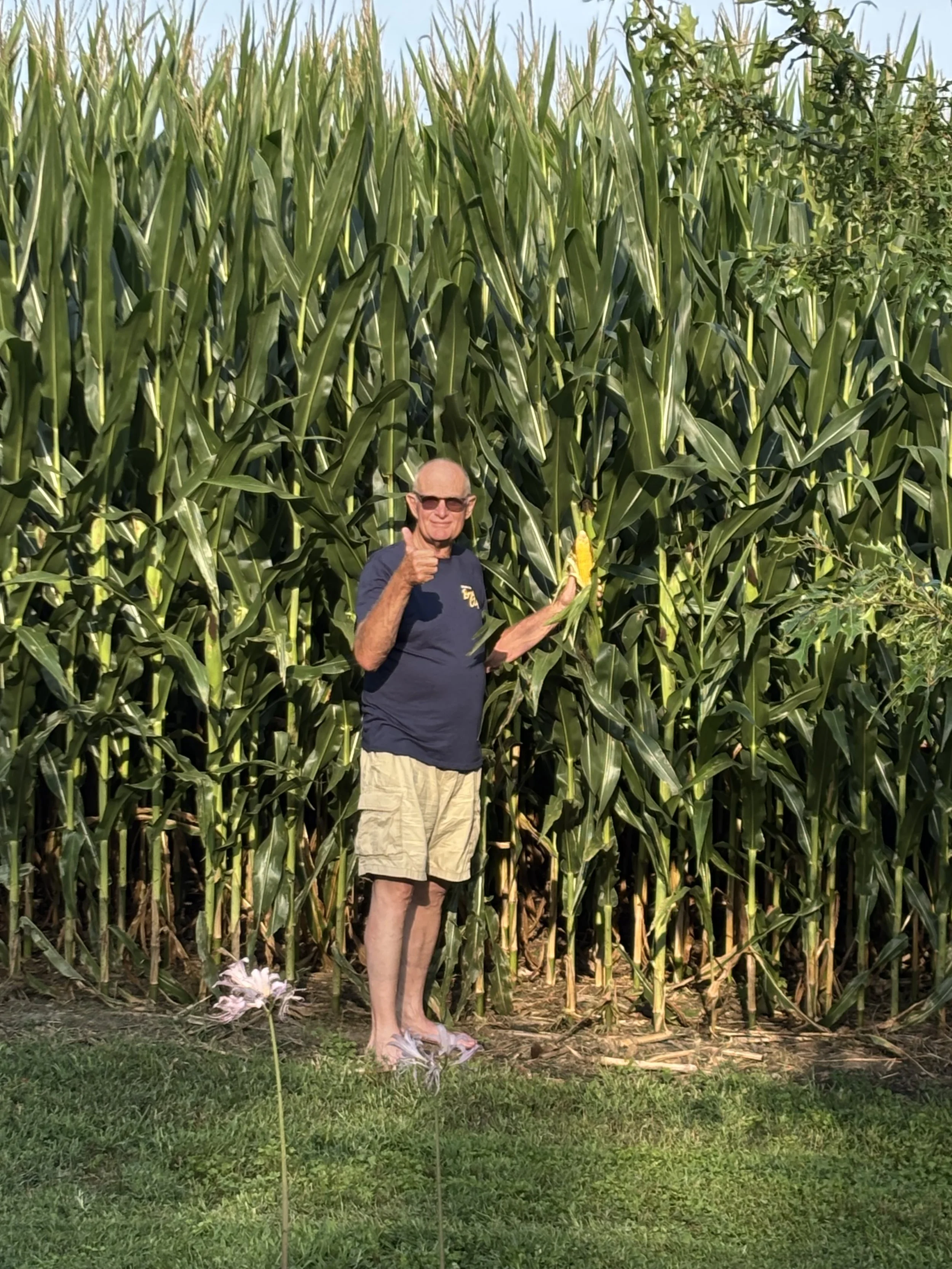
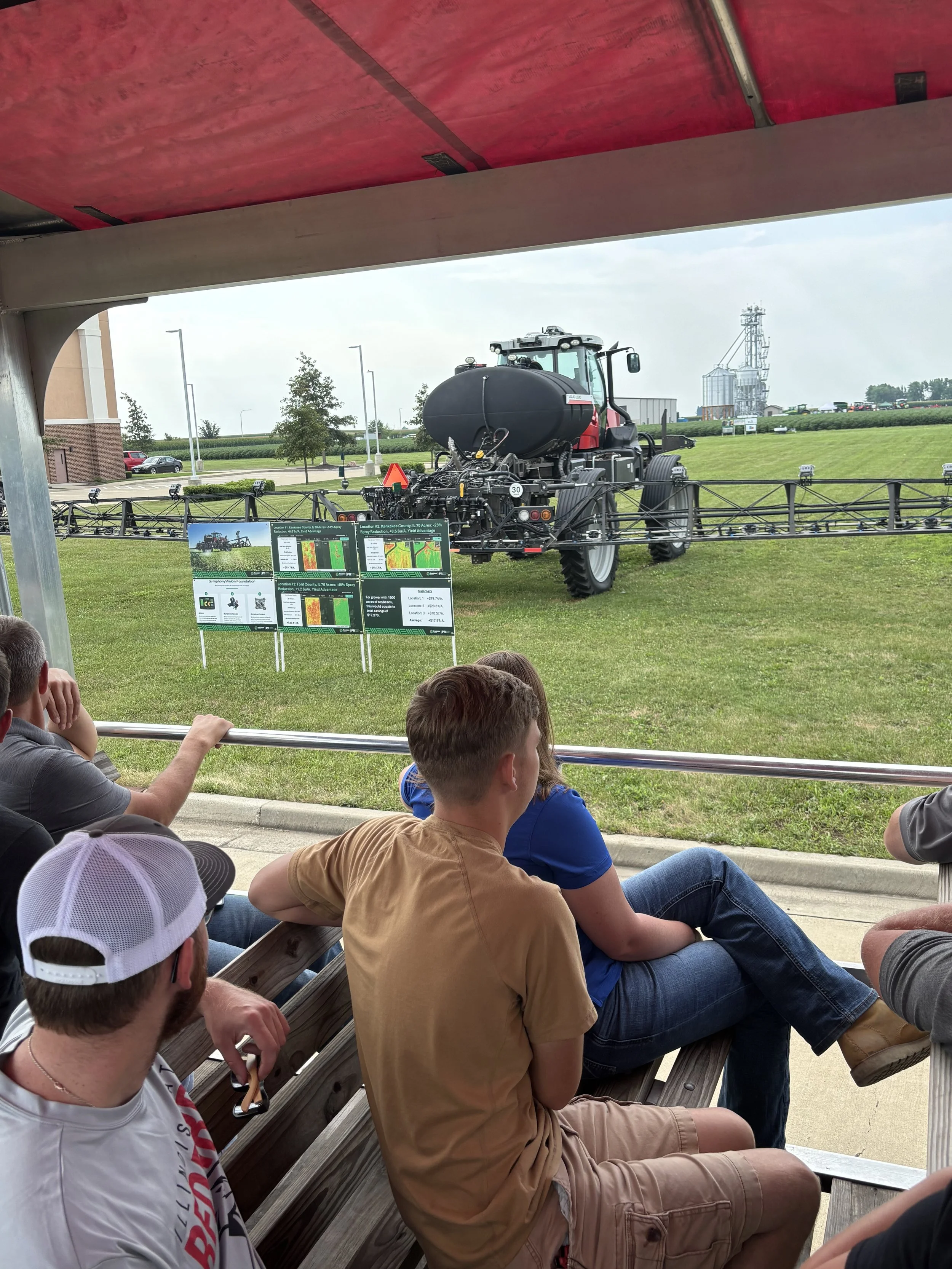
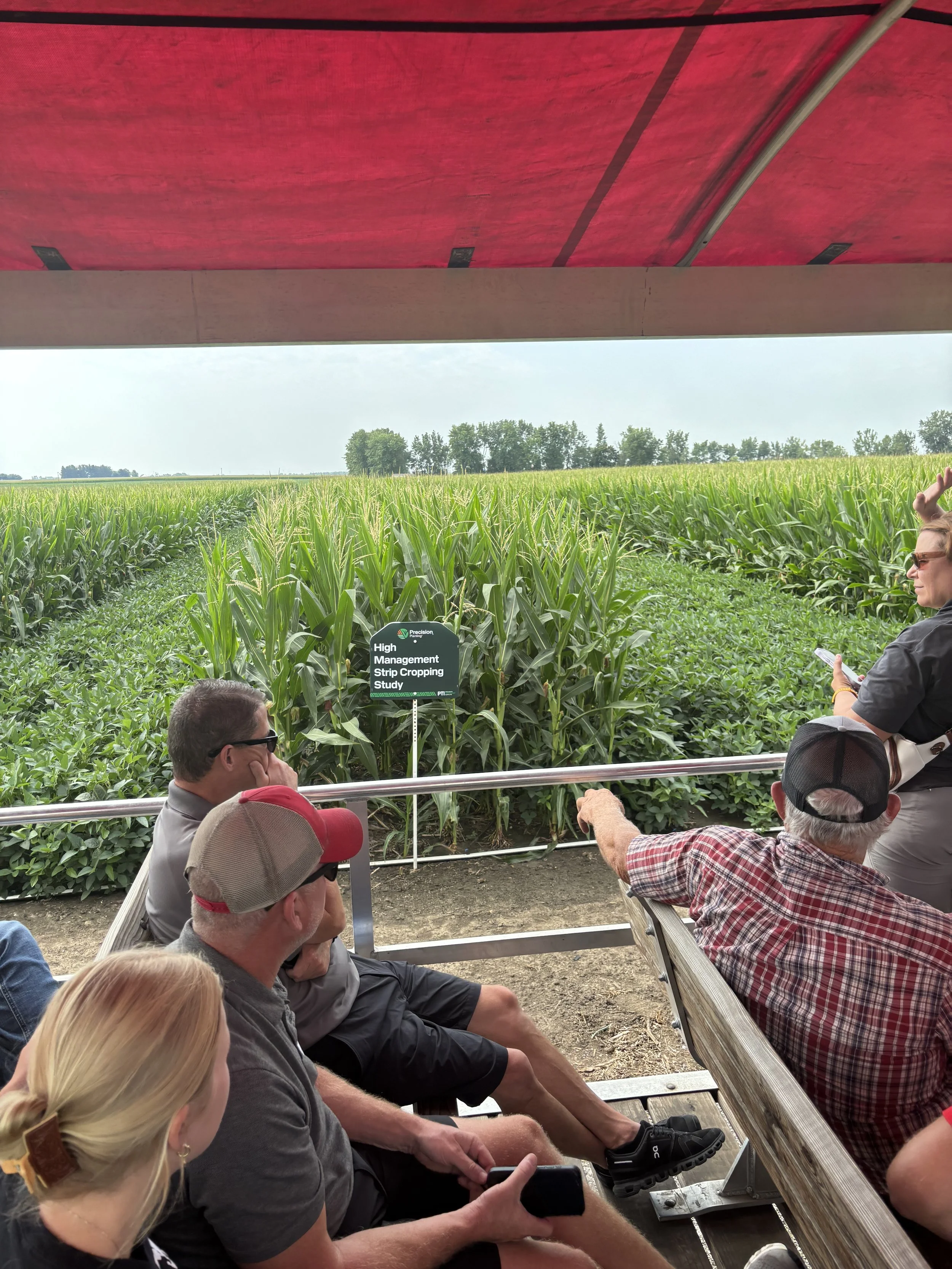
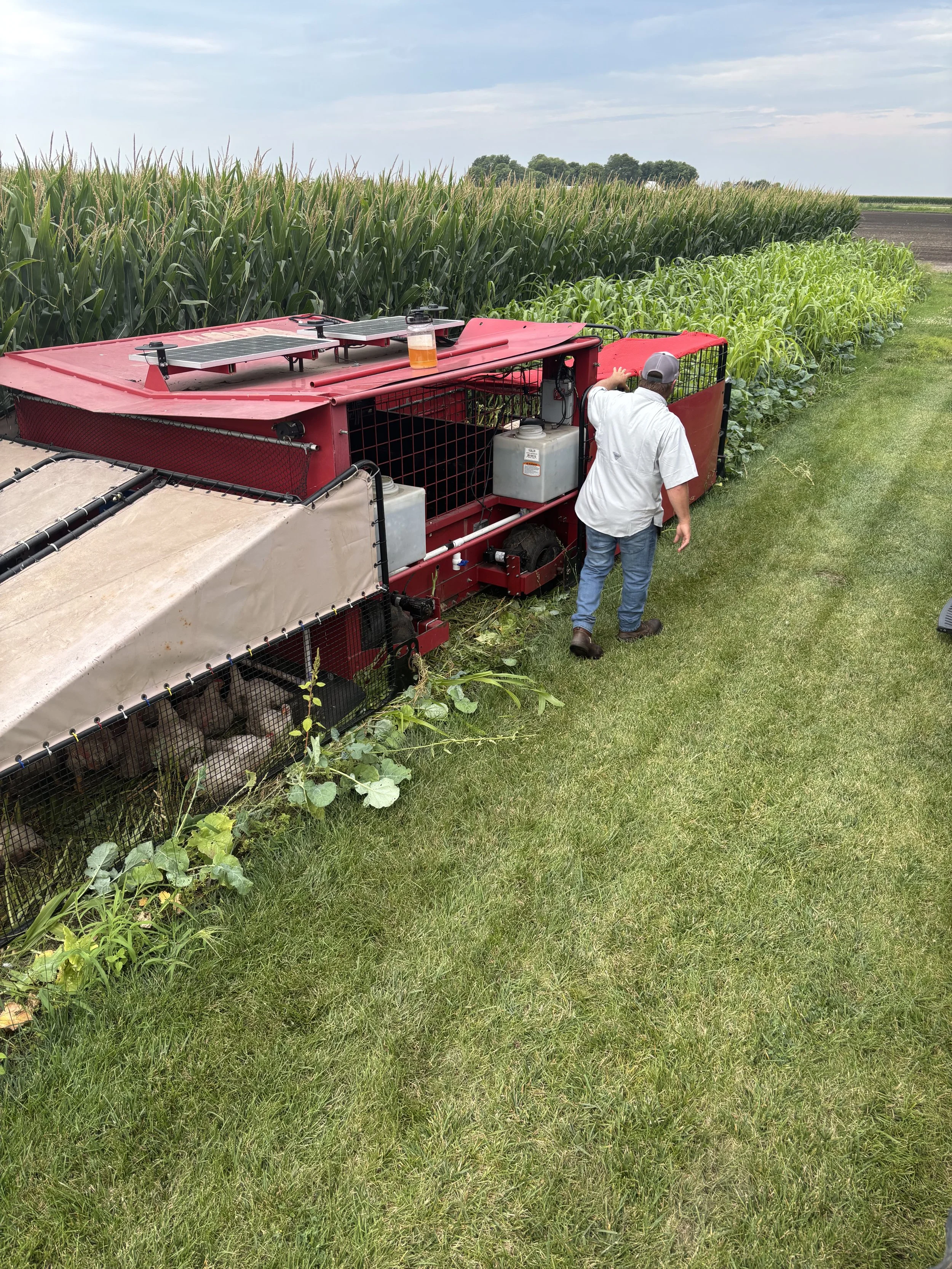
PTI Farm Agronomy Tour

Partners & Friends,

Last week I went to the Precision Technology Institute in Pontiac for their summer agronomy tour. There are a lot of very interesting things going on there. Here are some of my bullet-point takeaways:

  • Tile spacing: Tile is most efficient and cost-effective on 40-foot centers, with 20-foot centers in problem areas, across most soil types.

  • Soybean apical/meristem damage: If soybeans experience intentional apical/meristem damage when they are very young, there can be significant yield increases.

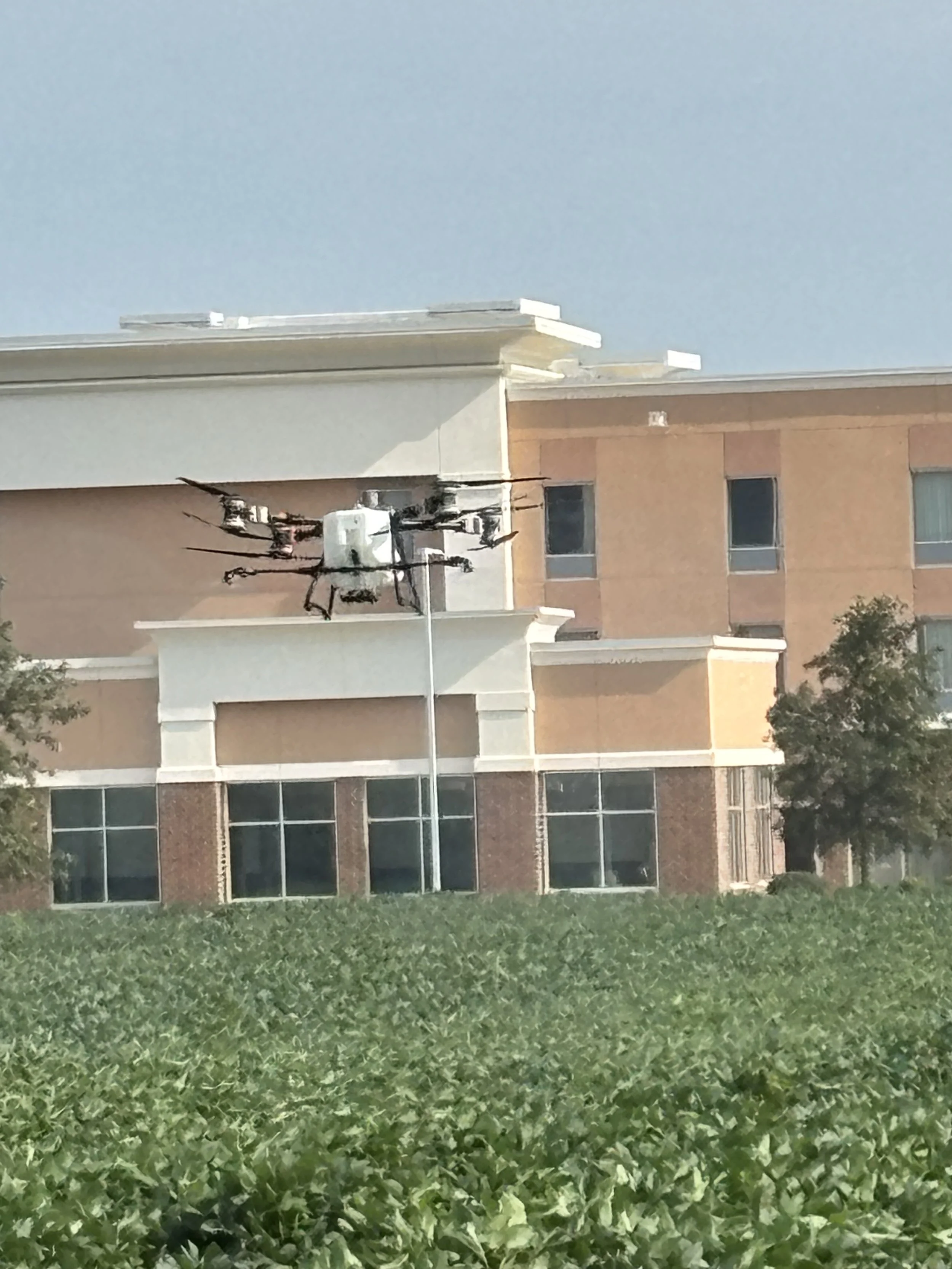
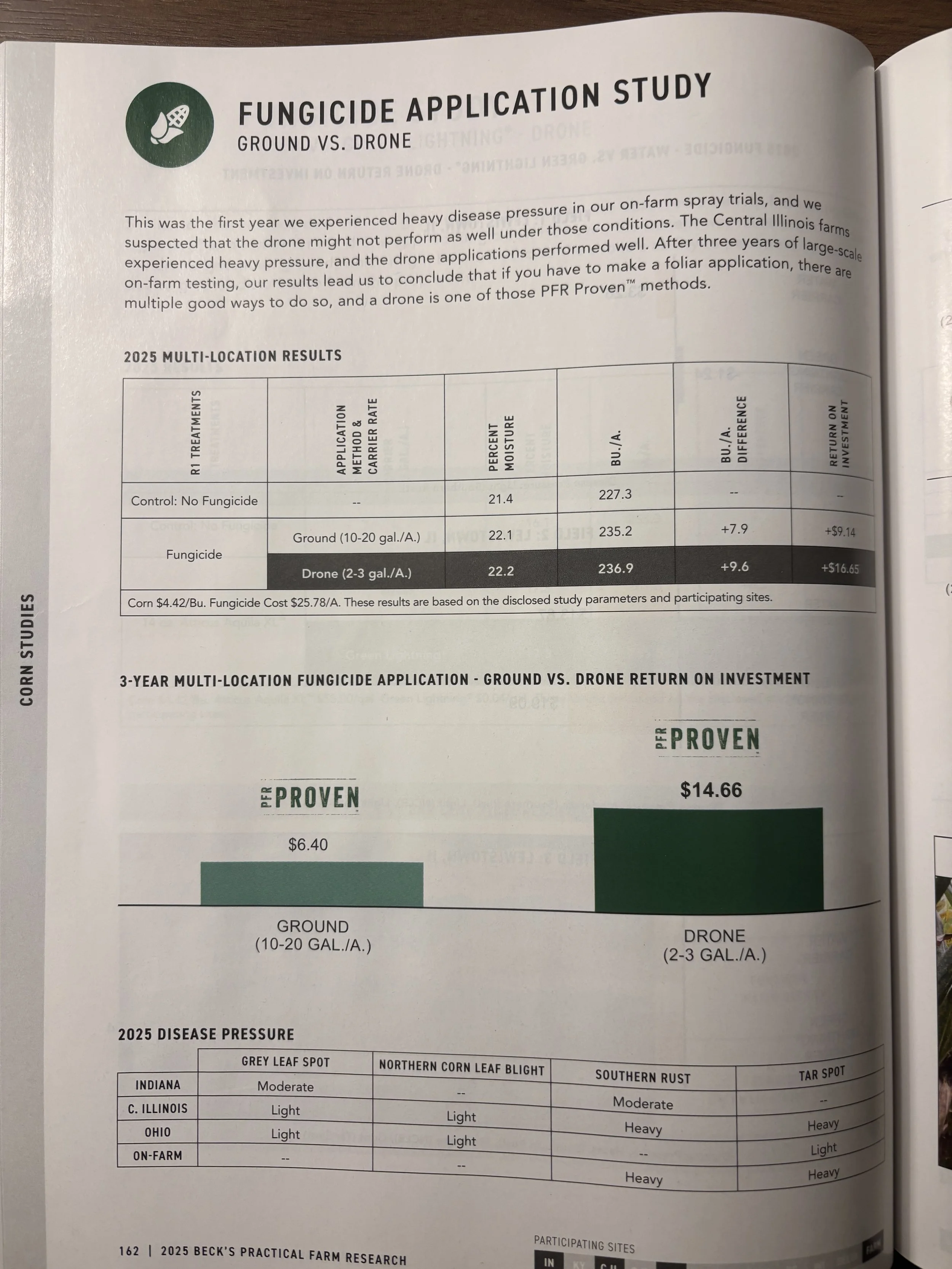
  • Drone technology: Drone technology continues to improve every year, with larger tank and weight capacities, longer battery life, and more self-guiding technology. Drones appear to be best suited for smaller fields or hard-to-access areas where a ground rig is difficult to use.

  • Corn genetics: Some of the highest-yielding corn varieties on the farm have been full-season DK 6835 and Pioneer 1742.

  • Symphony/Vision spray technology: This technology has the potential to drastically reduce chemical costs in post-emergence applications. John Deere currently charges farmers $5/acre for acres that are not sprayed, taking away some of that potential benefit.

  • Magrow Tech: Magnets are placed in the spray delivery lines and are reported to reduce drift by 90%, reduce chemical rates by 20%, and help with hard-water issues.

  • Phosphorus fertilizer: Phosphorus moves only about 1/8 inch per year in the soil. Putting fertilizer where the plant roots are located can dramatically increase efficiency and reduce the amount of fertilizer needed.

  • Strip-tillage: Strip-tillage allows for a 25–50% reduction in fertilizer rates and has consistently shown about a $30/acre advantage.

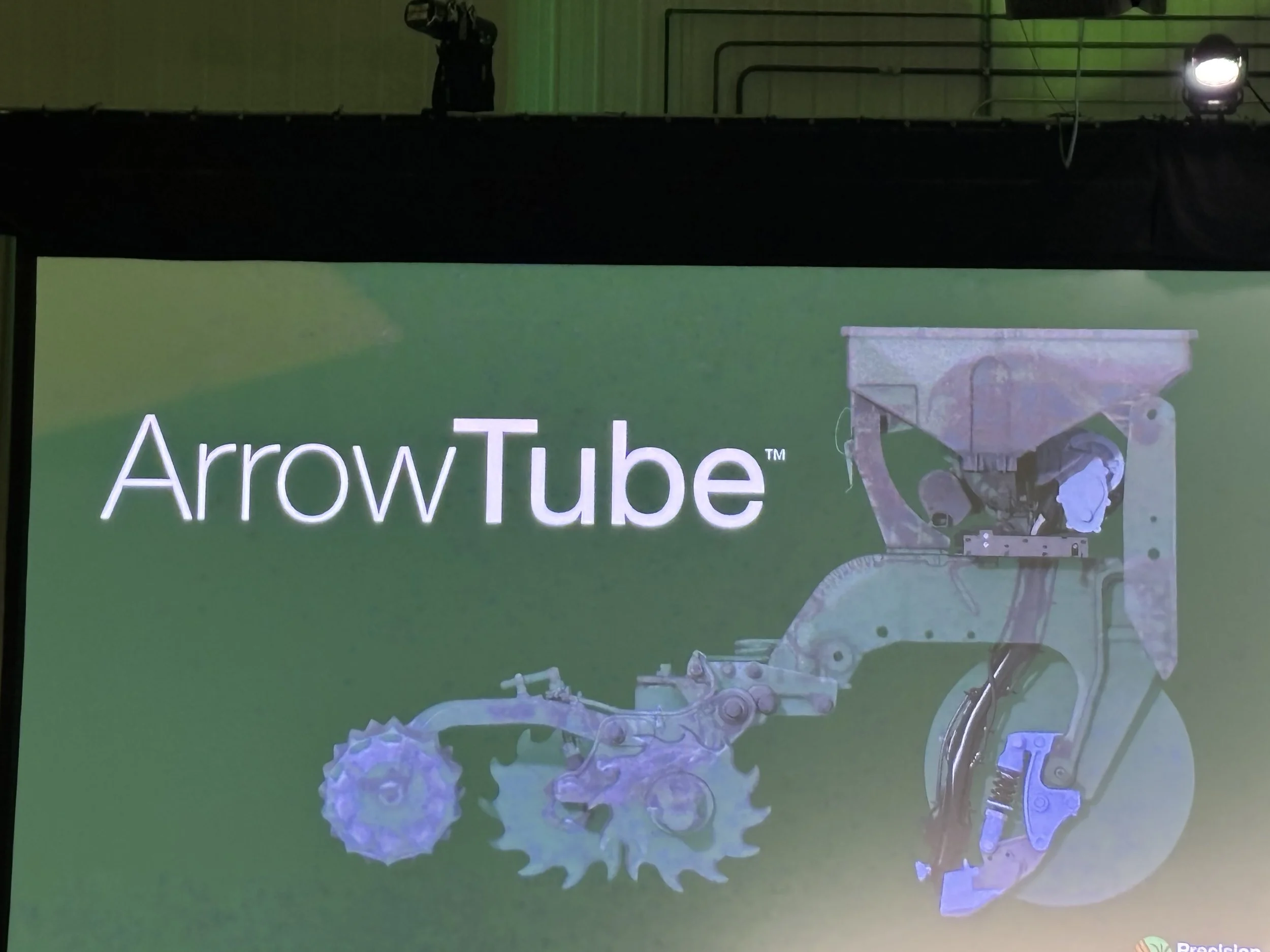
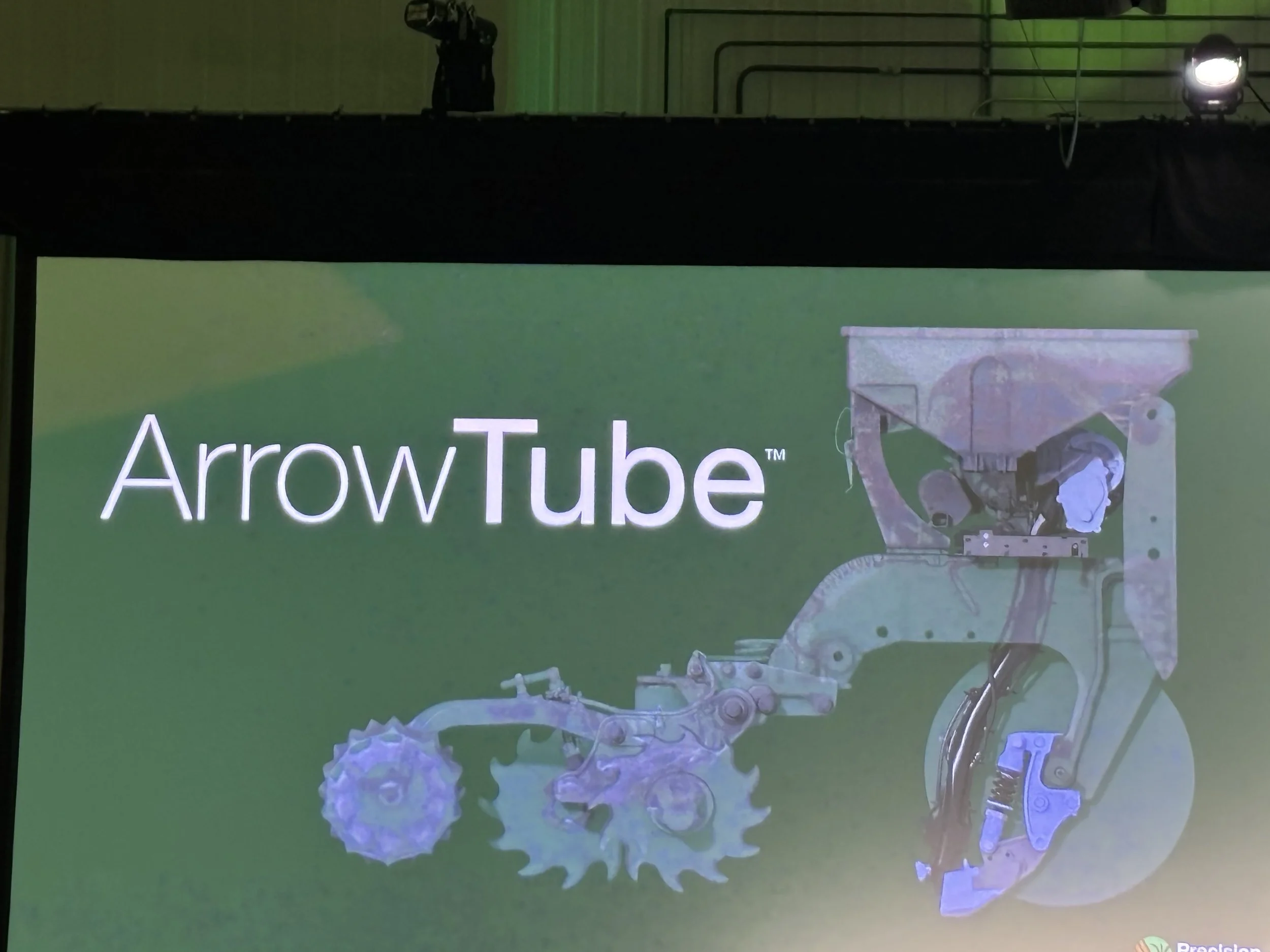
  • Arrow seed tubes: Arrow seed tubes can provide up to 80% tip-down placement, which can help improve early corn emergence. Availability is expected in 2028.

  • CIH closing system/FurrowForce: The CIH closing system coupled with FurrowForce appears to provide more consistent corn and soybean emergence.

  • AgZen: AgZen technology helps apply fungicides as low on the plant as possible. Fungicides primarily move upward through the plant, so lower application can be more beneficial.

  • Carbon Builder: Carbon Builder is offering five-year contracts for carbon credits. Talc is applied at a cost of about $13/acre, with a possible $50/ton payback for yields of 1–2 tons/acre.

  • Razdicle soil sampling: Razdicle offers consistent and quick-turnaround soil sampling.

If you have any questions, reach out!

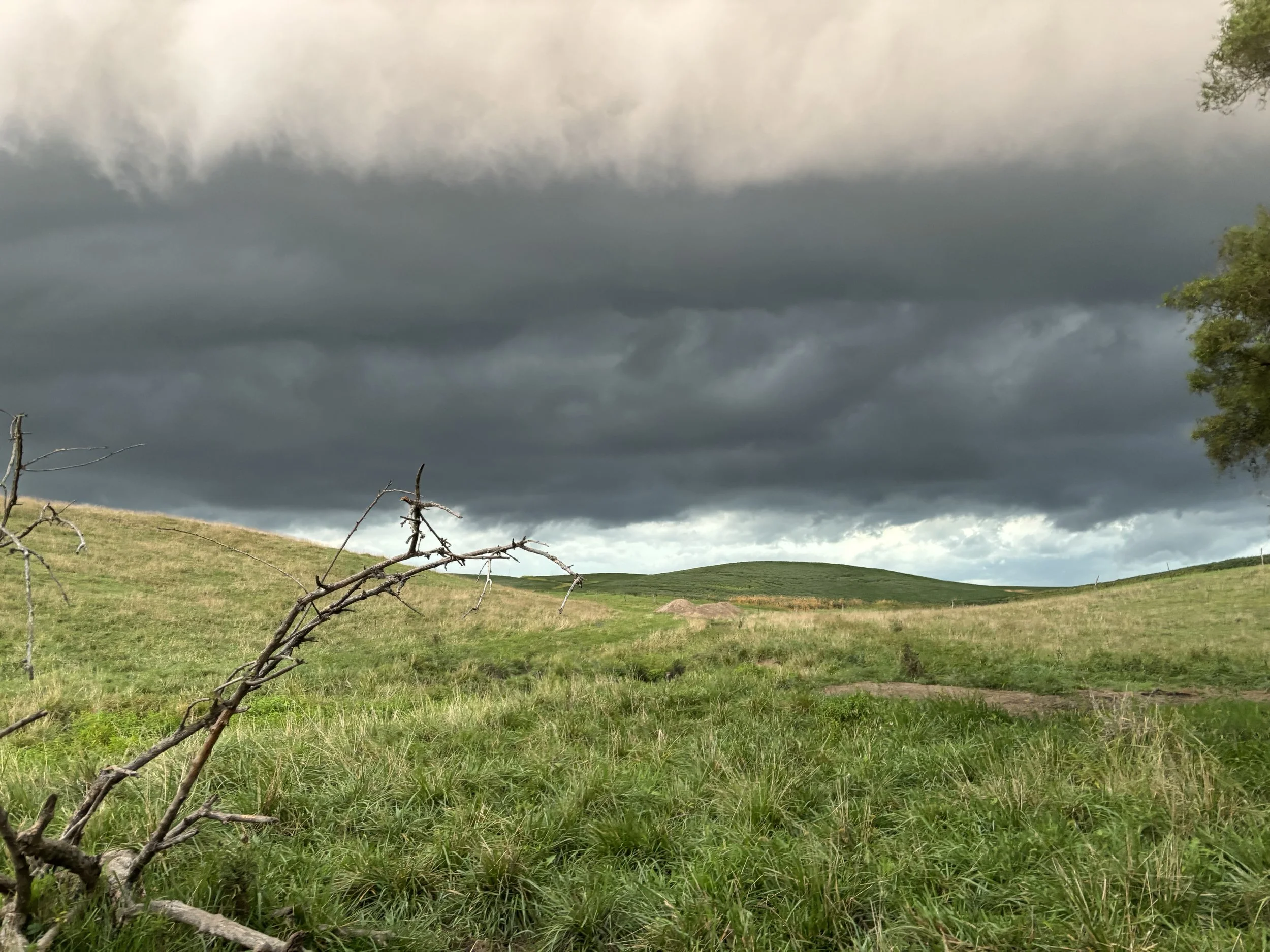
We put in some main tile lines this week, mowed roadsides and waterways, and got the cornhead out to prepare for harvest. With all the rain and heat, it’s hard to keep up with the yards! Landowners, I have the base-acre allocation updates. If you are interested, let me know.

The USDA crop report comes out today, and the Pro Farmer Crop Tour is next week. The Farm Bill was delayed in D.C. last week. We are still waiting on IRS guidance for 45Z. Commodity traders are anticipating a big corn and soybean crop.

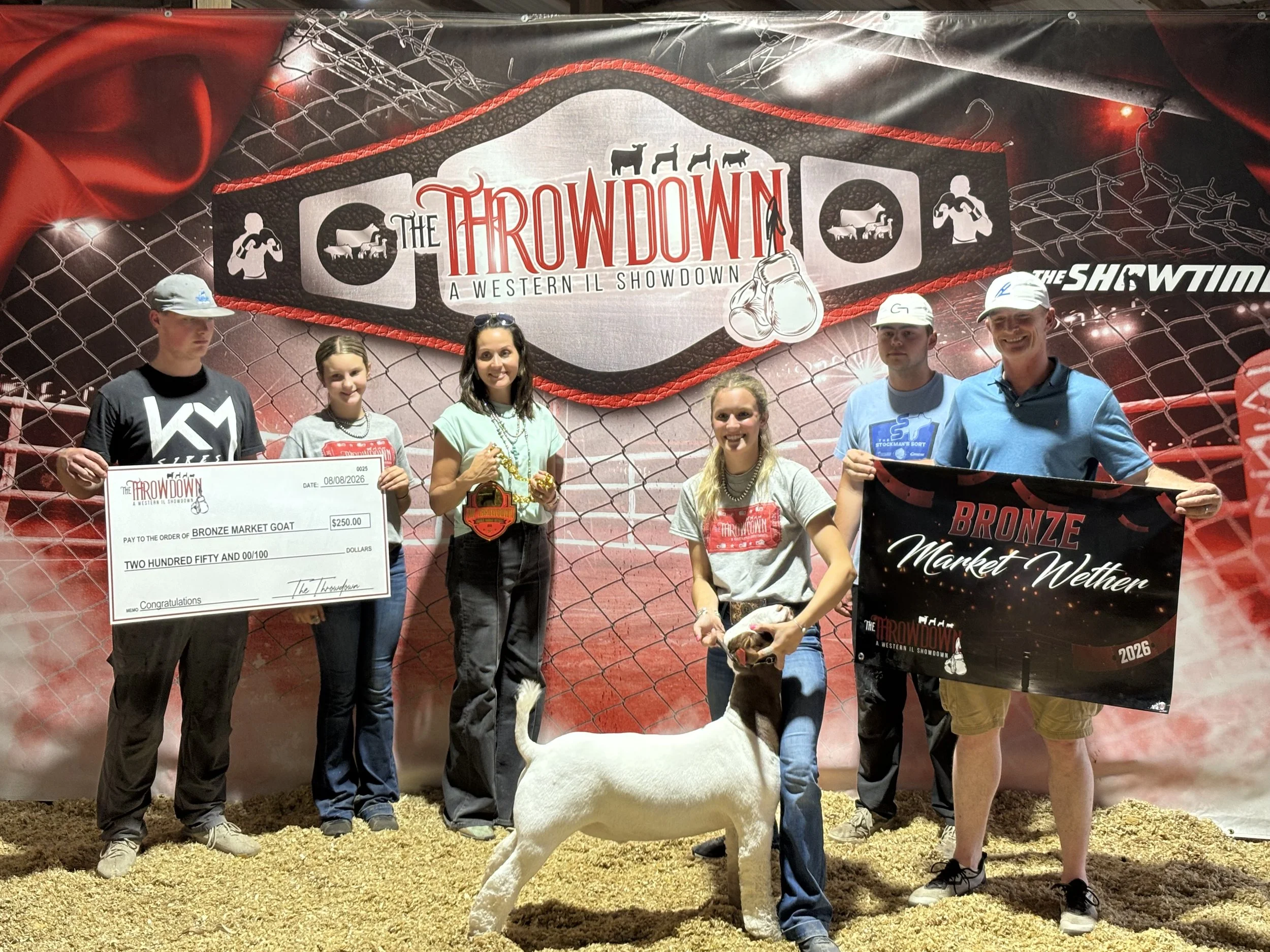
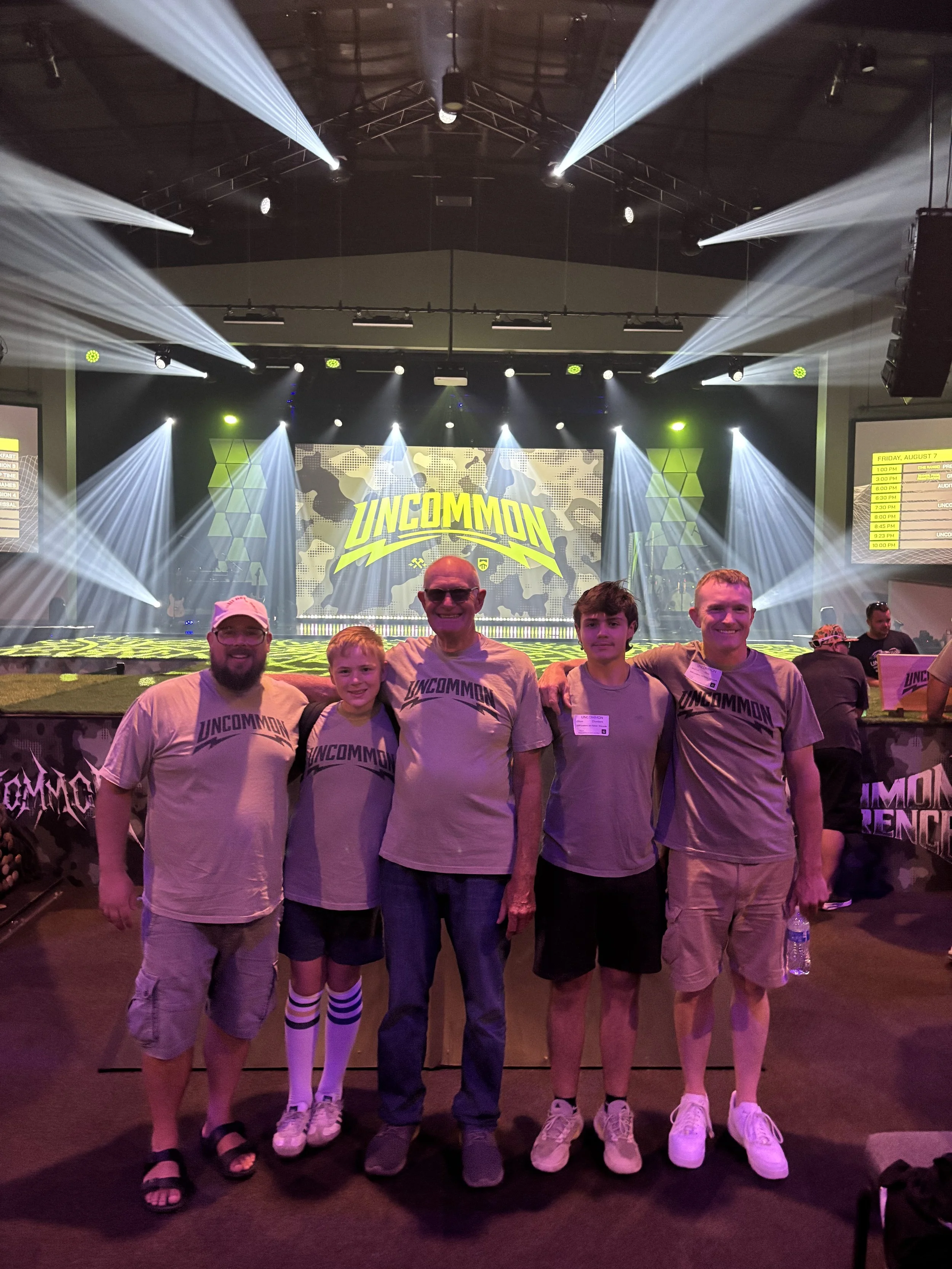
Off to the State Fair this week—we’ve been preparing for this year’s fair for the last several years! School is starting this week in some places. The Cubs still have a chance at a wild-card spot. The Bushnell Fall Festival is next week. Last weekend, the Uncommon Men's Conference in Quincy was very edifying, and I would recommend attending in future years.

Fall Prices:
Corn — $4.45
Soybeans — $11.48

Steve
Farm Forward

Partners & Friends,

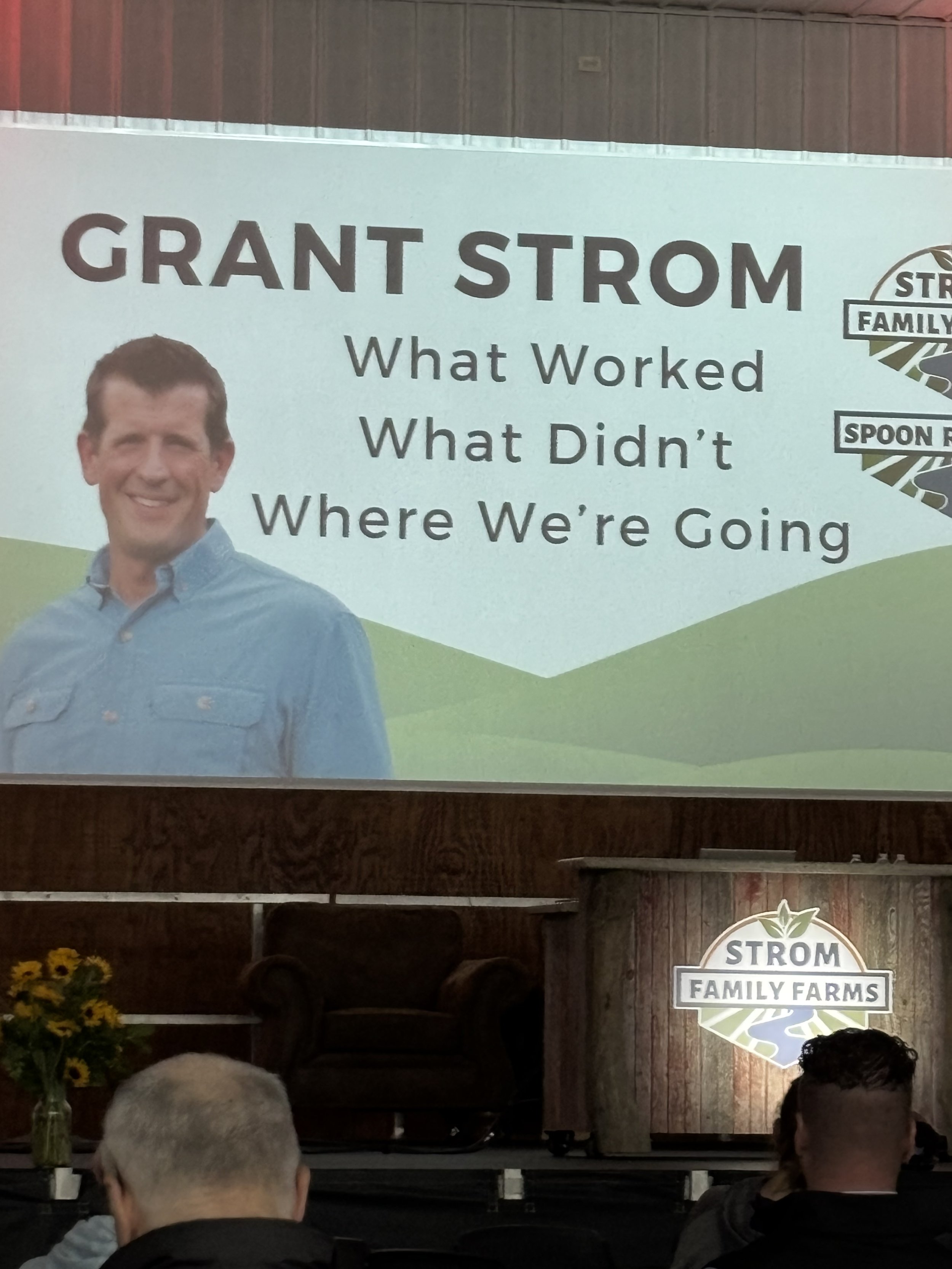
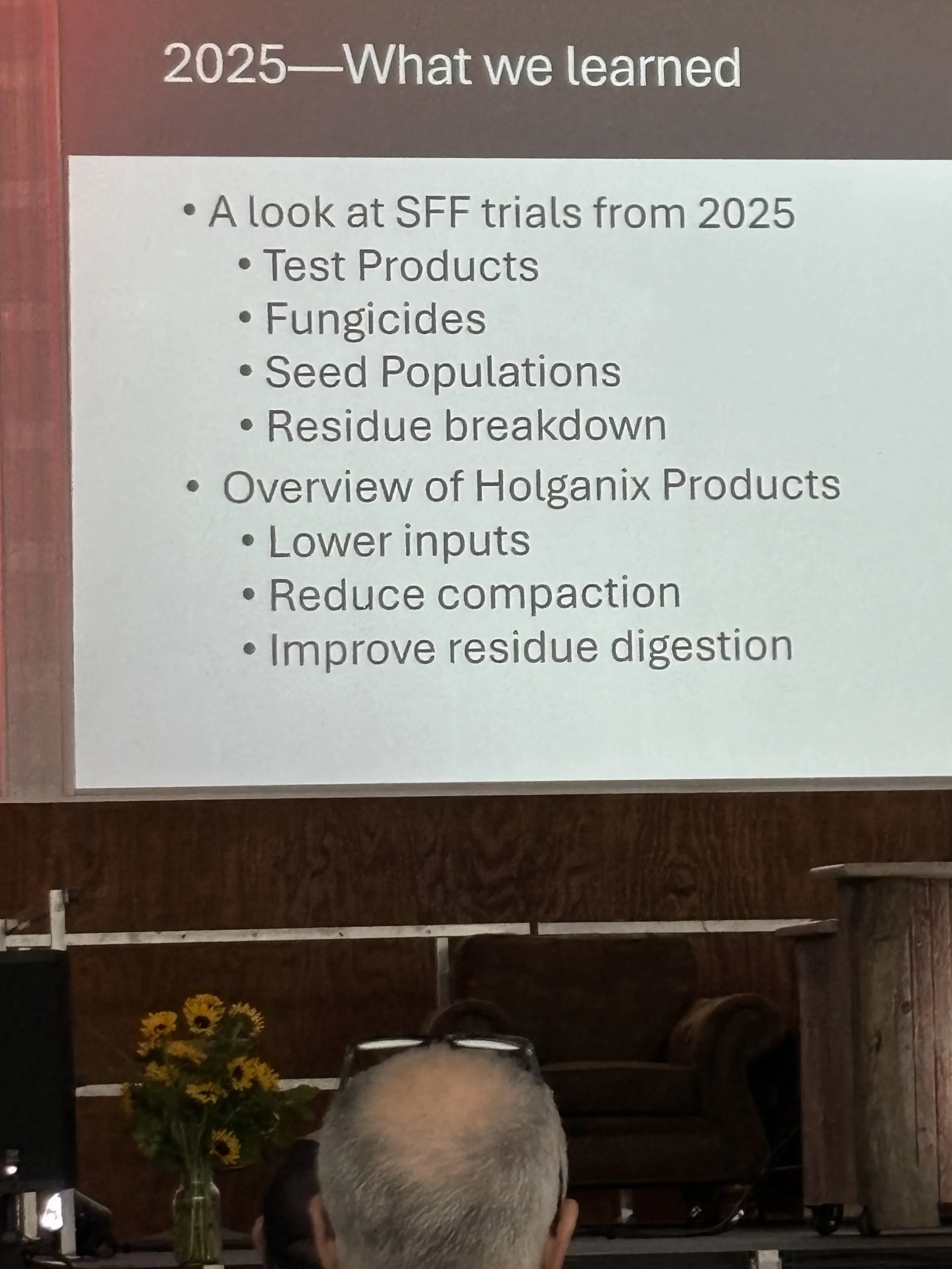
Yesterday I attended a farm meeting at an operation similar to ours, Strom Family Farm in Knox County. I really appreciate the transparency they shared regarding the results of this past season’s on-farm trials.

What Worked:

  • Low population soybeans

  • High population corn

  • Generic fungicide

  • Applying ½ rate P in a band

  • Applying Holganix 800 as close to planting as possible

What Didn’t Work:

  • Green Lightning

  • Skipping fungicide

There was also a good ag economic report from Jim Wiesemeyer and former trader Tommy Grisafi:

  • Lots of disruption in DC (not that we didn’t need it 😬)

  • Crop insurance subsidies are the new Farm Bill

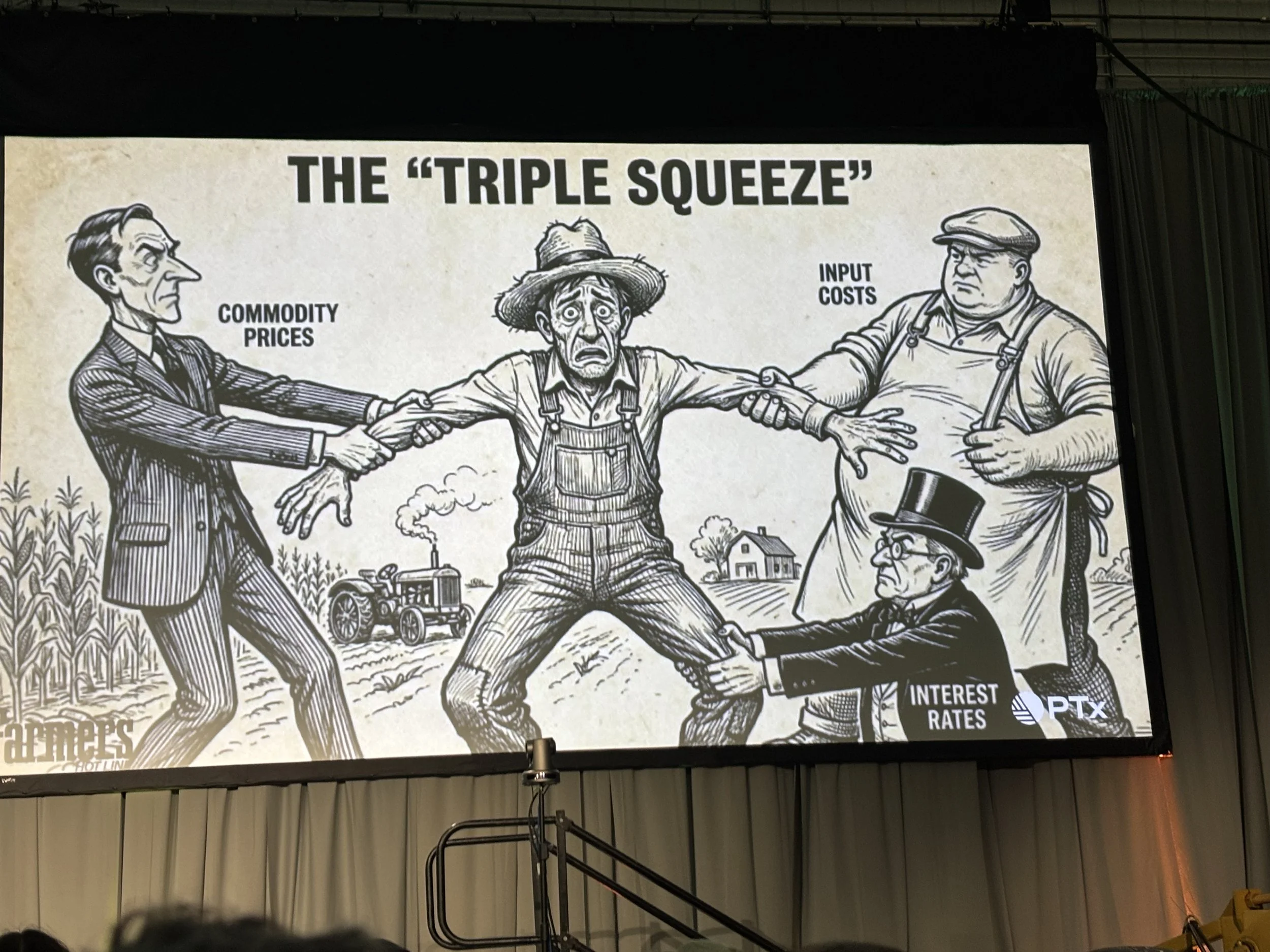
  • This downturn is likely to last a few more years

  • We’ve entered a new era where government support will be part of the farm income puzzle, like it or not

There was a lot of good, open sharing of thoughts and ideas for the future.

Back on Hess Family Farm, we are shipping grain, maintaining equipment, finishing the last NH₃ application, and finalizing crop input details, along with wrapping up the last few farm meetings. 😏 Most of the utility work for the shop update is complete.

We need to make crop insurance decisions by the end of next week. We’re taking delivery of seed and chemicals and finalizing written plans for spring operations. We’ve also received some very nice rain over the past few days, helping replenish soil moisture.

It is now nearly impossible to get pricing for side-dress NH₃. Fuel prices are up about 20% (fortunately we did secure some laid-in and booked inventory), and as energy prices rise, corn and soybean prices are following, although not at the same pace.

We are still waiting for 45Z guidance—hoping for book-and-claim. 🙏 Meanwhile, since FSA is reorganizing its software programs, we cannot proceed with farm reconstitutions or some farm program details. So much uncertainty!

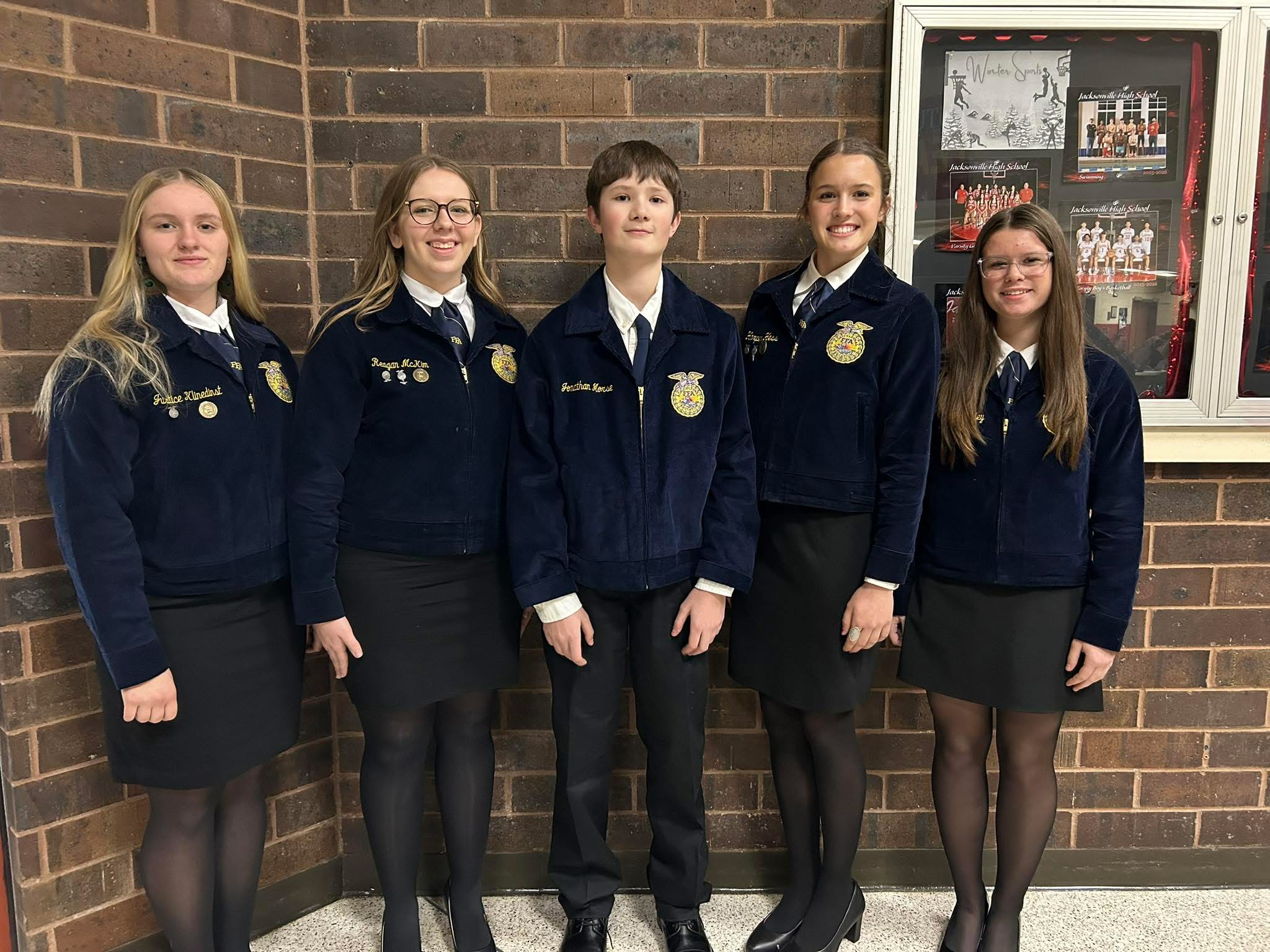
Family life is busy. Volleyball and basketball seasons are complete, one more gymnastics competition remains, and FFA judging season is in full swing. Ali has moved into a new place in Asheville, and we squeezed in a brief visit to Hidden River before Phyllis’s knee surgery next week. Wisconsin is eagerly anticipating the end of snow season and the beginning of baseball and soccer season.

Fall Prices:
Corn — $4.50
Soybeans — $11.12

Comments and likes are welcome! 🤩

Steve

More Meeting Thoughts

Partners & Friends,

Here is a list of takeaways from the meetings we attended over the past few weeks.

AgView Solutions Executive Business Conference
Ag management and consulting

  • Who are the five people you spend the most time with—and do you respect their opinions?

  • Your attention is the most valuable thing you own.

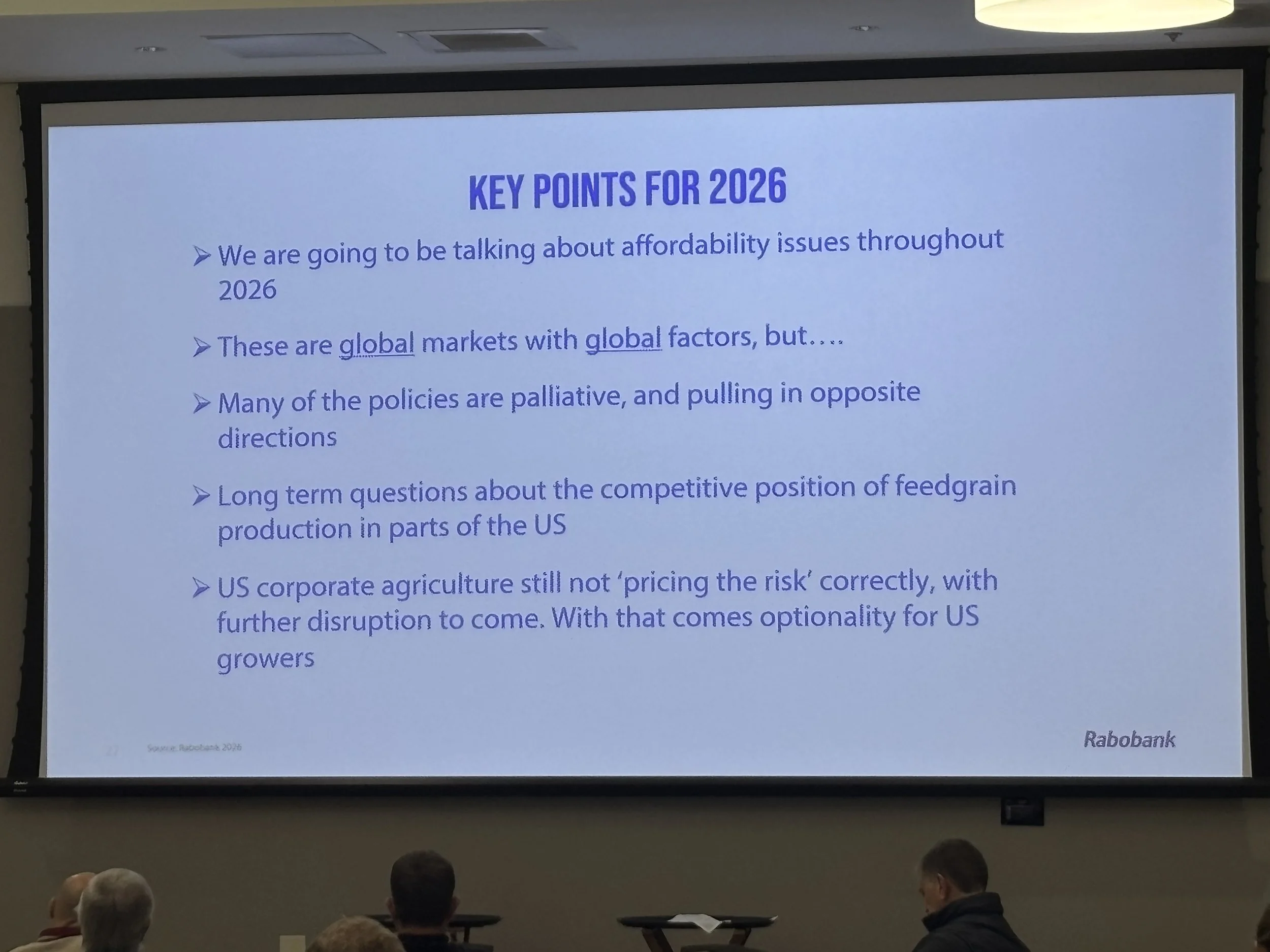
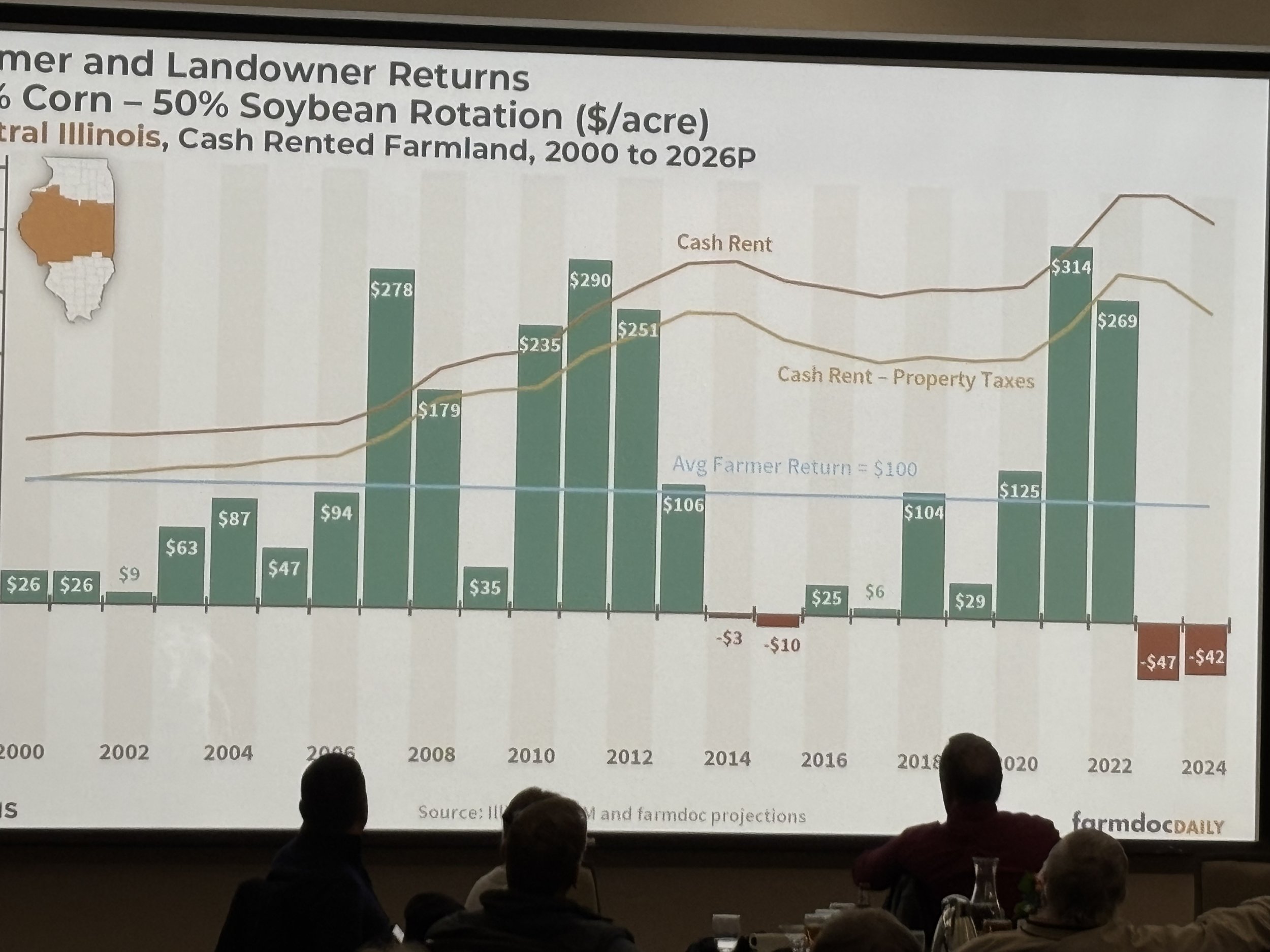
  • 2026 plans: no capital expenditures; focus on cover crops and custom grazing; market more aggressively; more corn-on-corn; rent decreases will be hard to come by.

  • You can’t delegate what you can’t define.

  • What perspective do you need to change, and where do you need to plan better?

  • AI: get familiar with it.

  • Stay close to your lender, insurance agent, and marketing consultant.

  • Japan may be heading toward a financial crisis.

  • Productivity increases are happening—AI isn’t the only reason.

  • Government assistance likely won’t help ag much; it may just prolong the pain.

  • Global corn demand is strong.

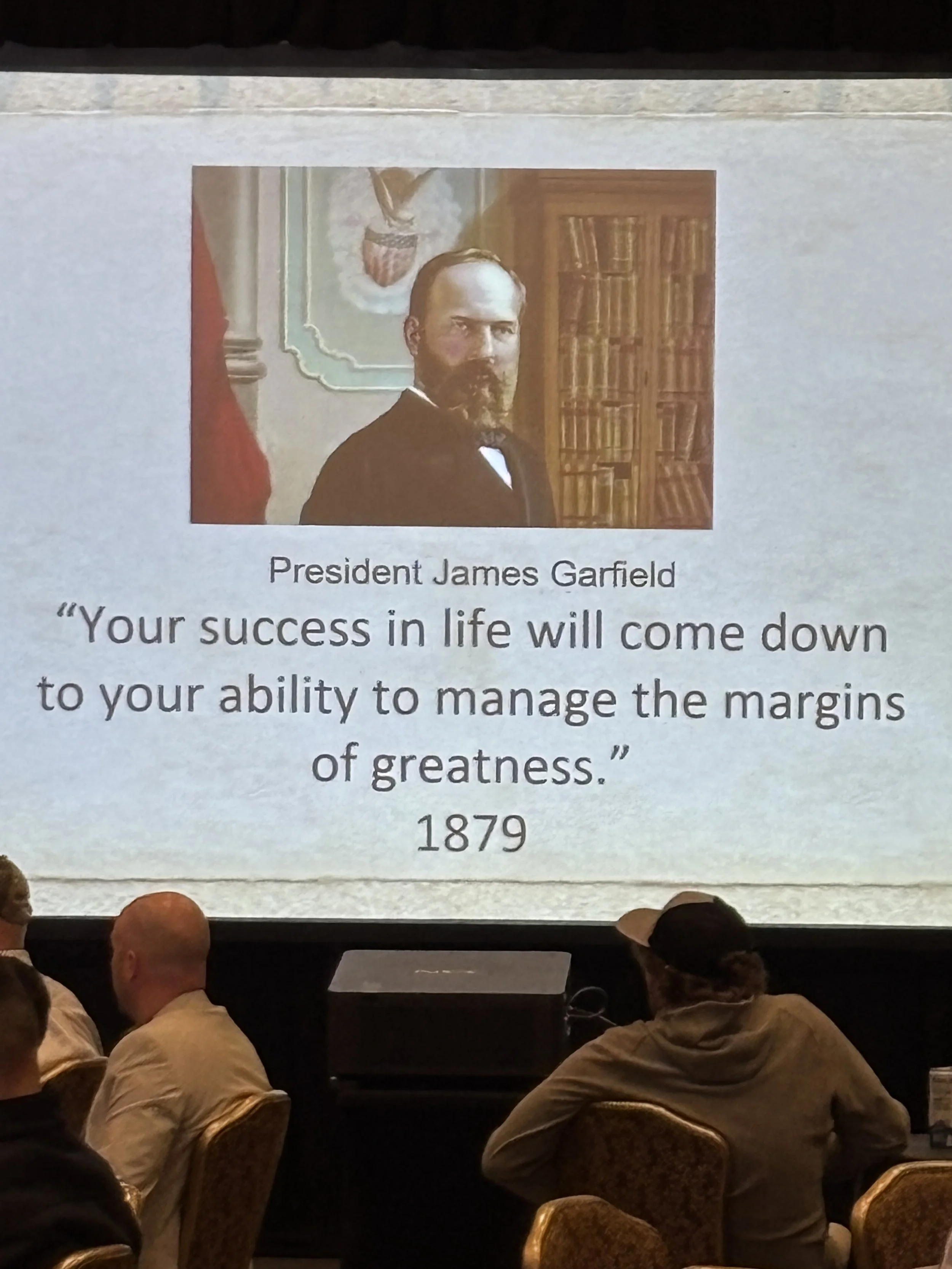
  • Success in life comes from your ability to manage the margin of greatness.

  • Living is what we get; life is what we give.

  • Strip-tillage allows for up to a 50% fertilizer rate reduction without economic impact.

  • Equipment technology is advancing fast: spot spraying, smoke spraying, and improved corn seed placement.

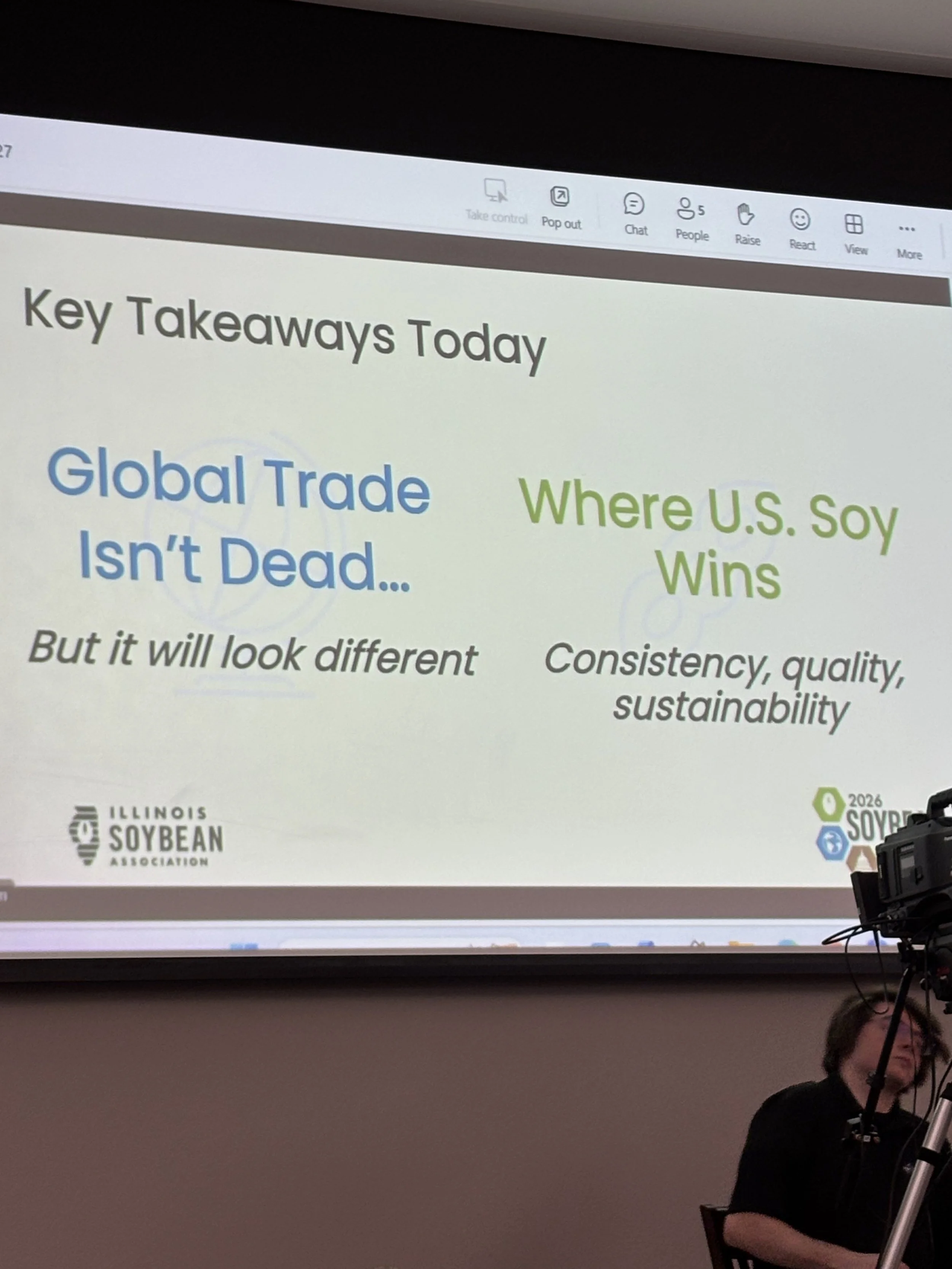
2026 Illinois Soybean Association Summit

  • The current crop support structure tilts benefits toward southern producers.

  • The way Farm Bill issues were addressed in OBBB has further fragmented the industry.

  • We are where we are—where we go from here is what matters.

  • Cover crop microbes can remain active at temperatures as low as 15°F.

  • Phosphate prices are expected to be higher in 2026 after the next few weeks.

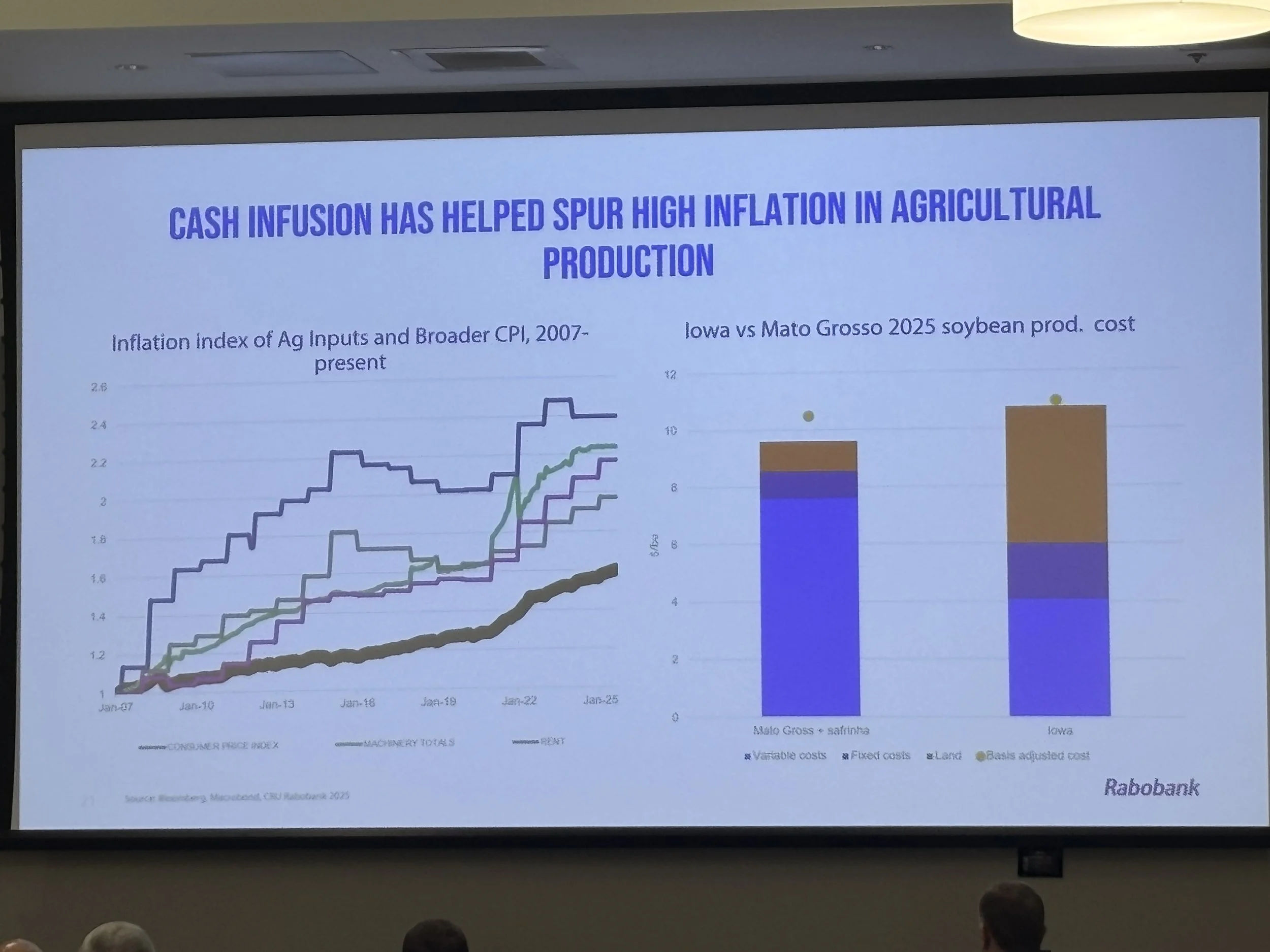
  • U.S. farmers are paying a premium for inputs due to tariffs and global politics.

  • NH₃ prices should soften in 2026 if global fundamentals align.

  • Brazil has 70 million acres available without rainforest destruction.

  • Land costs in Brazil are minimal compared to the U.S.

  • Government supports are pushing marginal farmers to produce surplus crops, distorting markets and driving up land rent and price supports.

  • On average, there are now 10 fewer days for fieldwork between March 15 and May 30 compared to 20 years ago.

  • What can I do to hand this off better?

Holganix

  • Reducing nitrogen usage helps maintain soil pH longer.

  • 72% of global GDP now operates within a regulated carbon market.

  • The U.S. will need 20% more energy in the next five years to power data server farms.

  • Microsoft purchased 47 million tons of carbon credits in 2025.

  • Farmers can store up to 5 tons of CO₂ per acre, valued at roughly $30 per ton.

  • Estimated farmer share is about $70 per acre.

WHO WE ARE

Enough downloading for now—back to winter farm tasks: keeping livestock warm and watered, office work, and planning time for 2026.

Keep in touch,
Steve

Meeting Season

Birthday Fun

Partners & Friends,

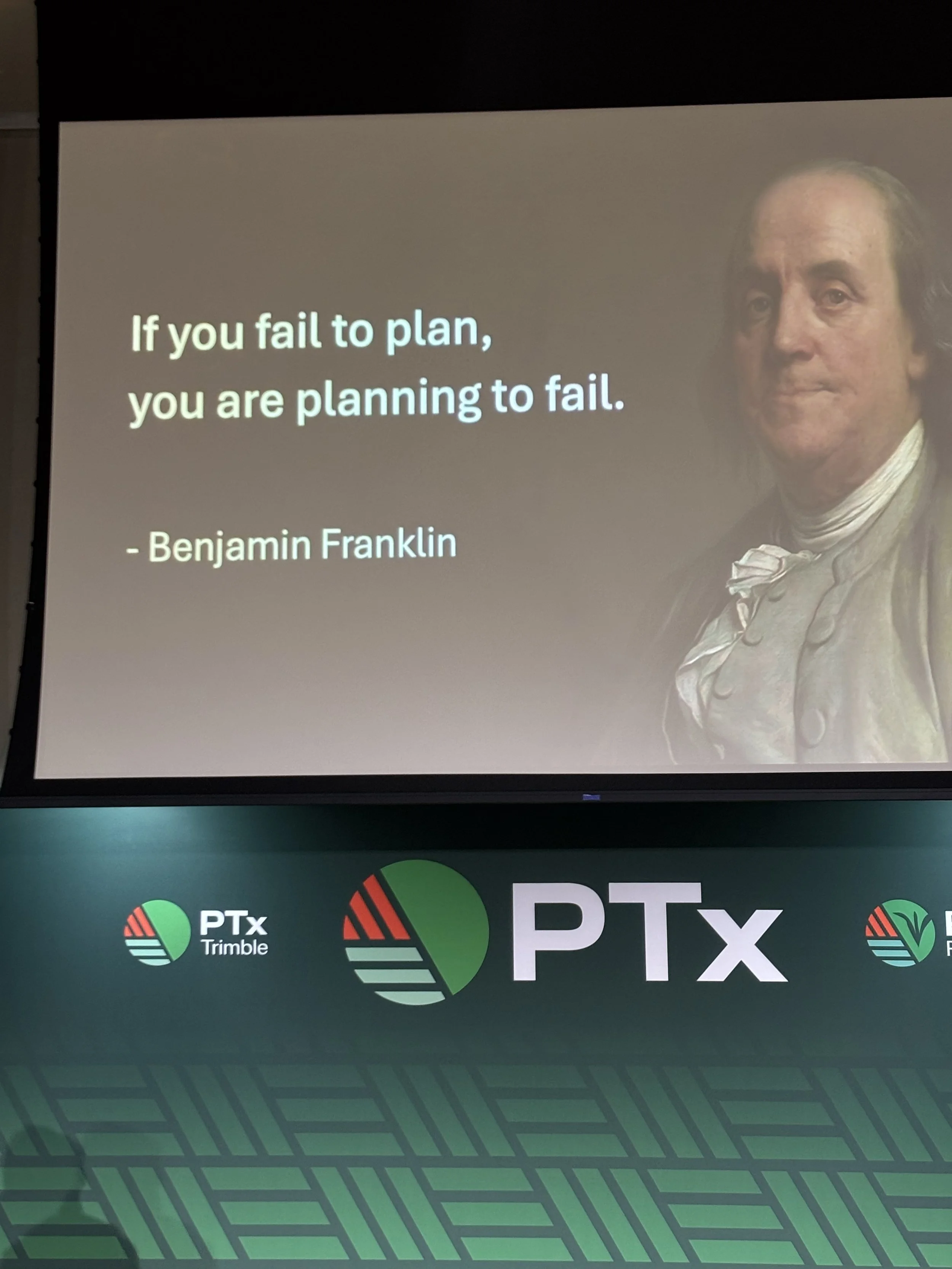
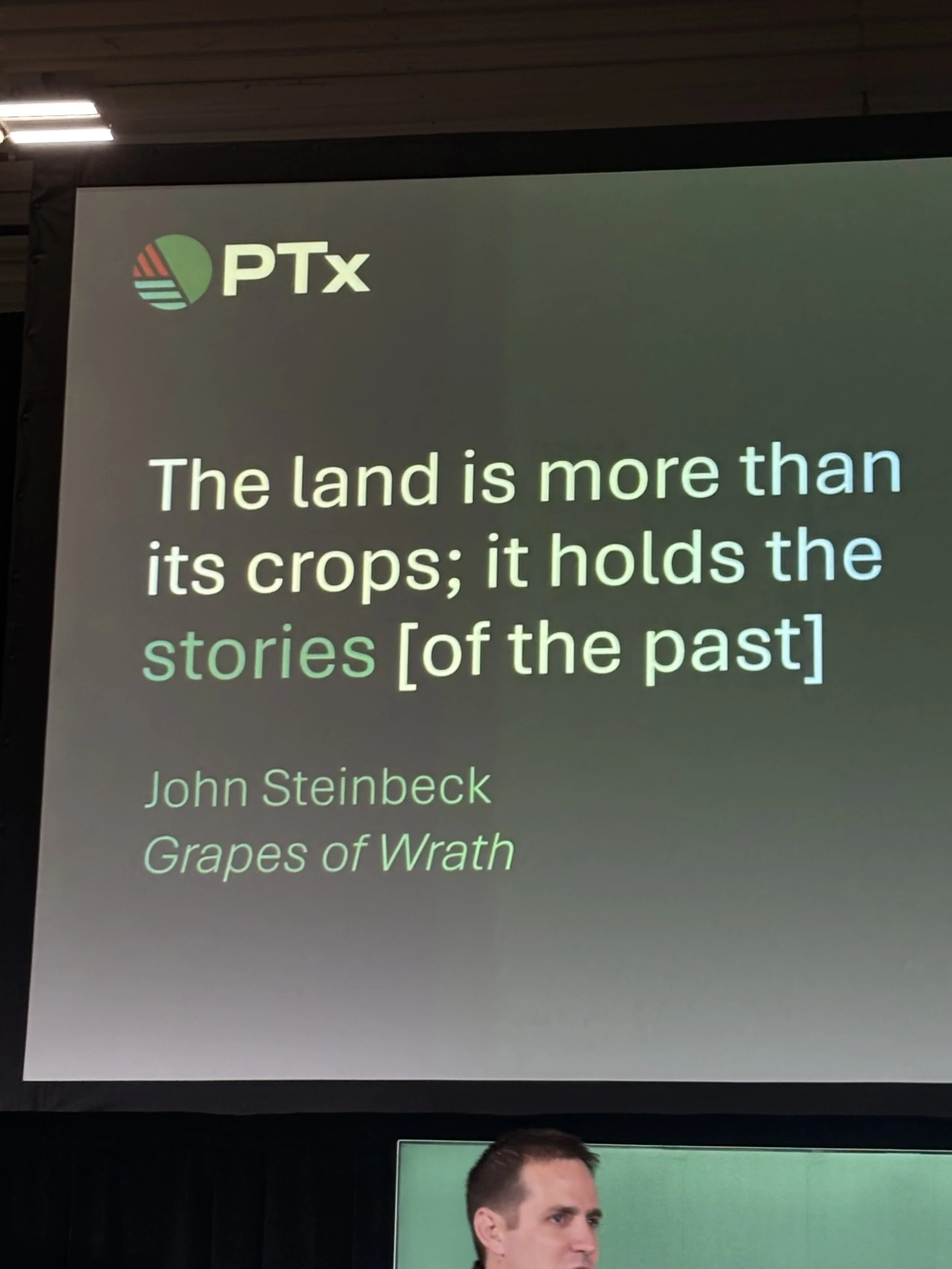
Meeting season has arrived. This week was the Precision Planting Winter Conference in Tremont. PTI Farm 2025 results, along with new planter and sprayer technology, were the main announcements. Corn seed can now be placed in the seed trench tip-down at 10mph! Sprayer technology has also been updated to target only weeds instead of broadcasting across the entire field. A key message reminded us that even in these tough economic times, it’s important to keep perspective on why we do what we do and to remember how generations before us persevered.

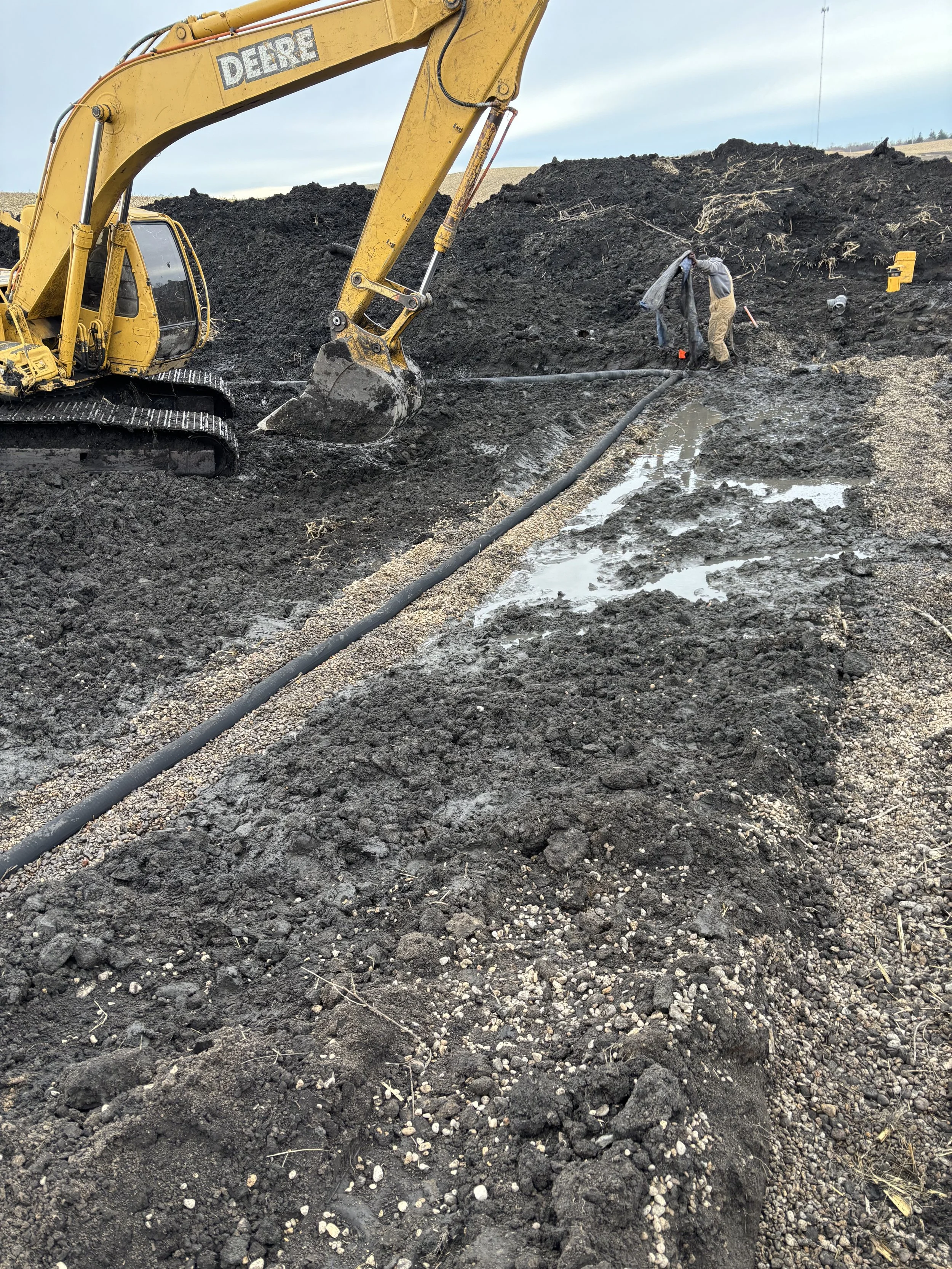
The past few weeks have also meant more time in the office, along with a tile repair project and equipment maintenance. Year-end accounting, tax preparations, and data analysis remain the most important office activities. A perennial wet spot in the field had some tile repaired and additional tile added. In the shop, routine maintenance and preparing the semis for seed and bean delivery next week were the headliners.

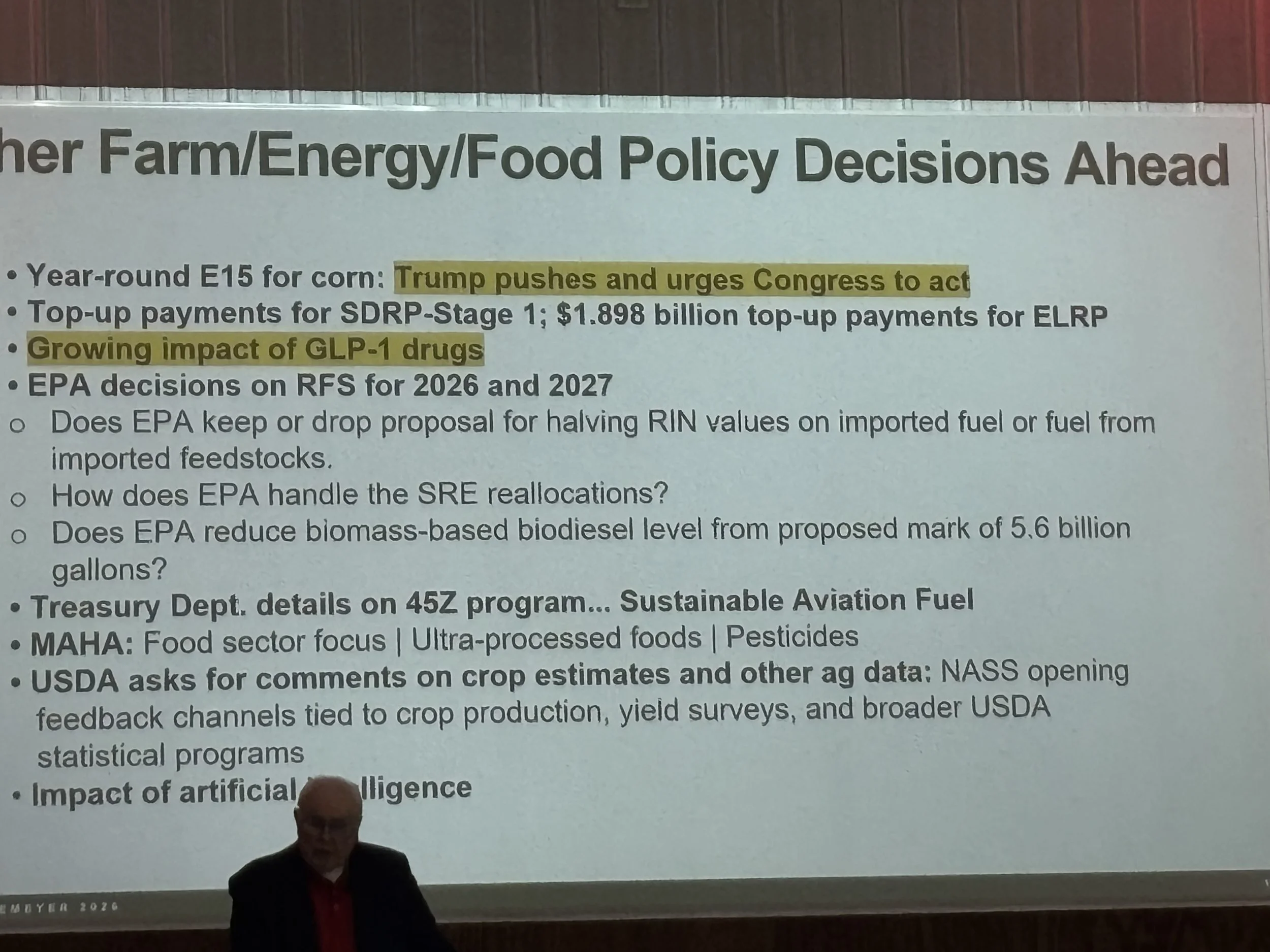
Disappointing news came out of DC concerning ethanol and biofuels this week. It seems big oil has the president’s attention. Surprisingly, even the recent shadow fleet capture didn’t cause oil prices to rise. The threat of another government shutdown could also disrupt FSA offices again. If some employees are considered non-essential, why do we need them in the first place?

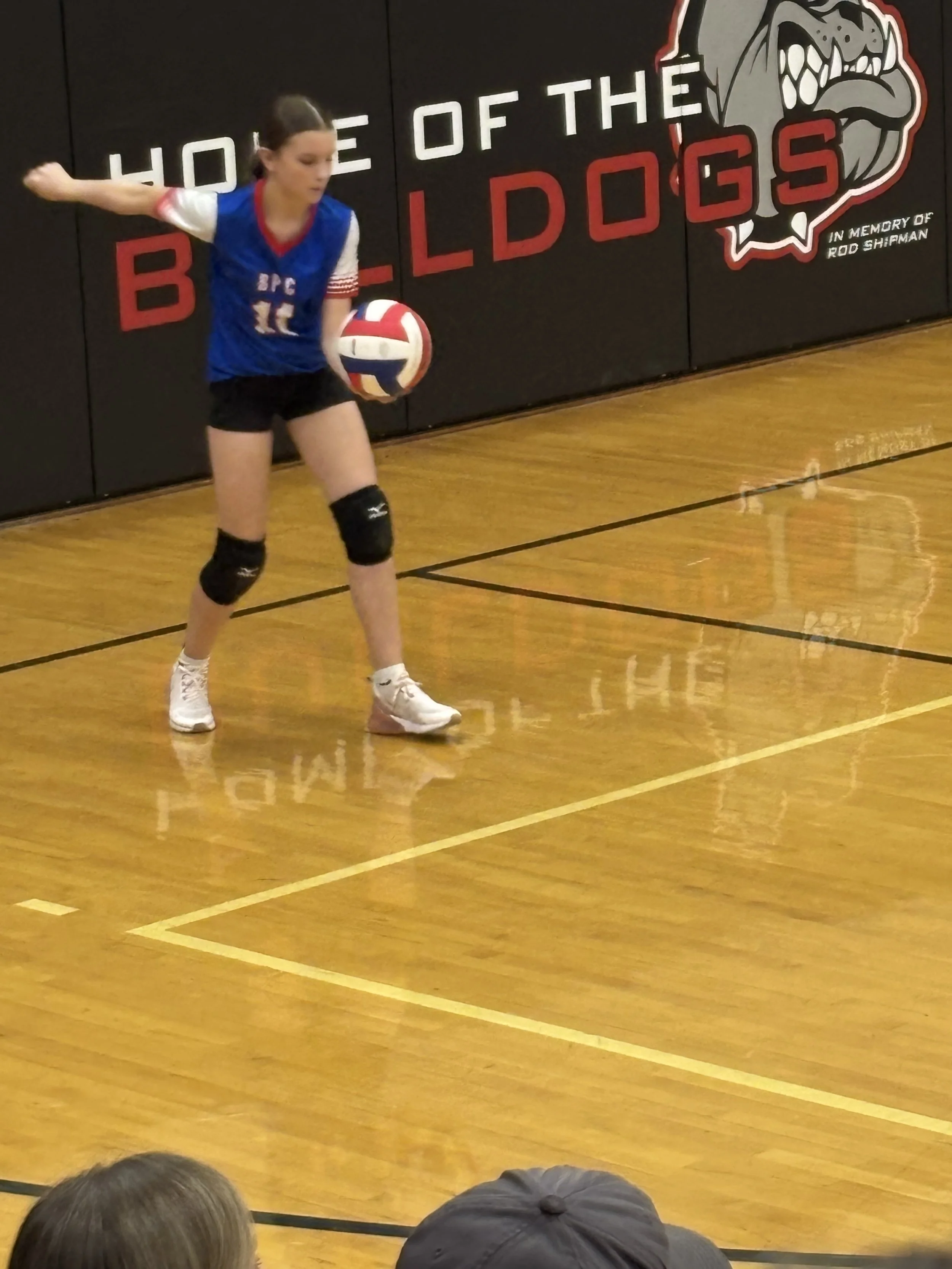
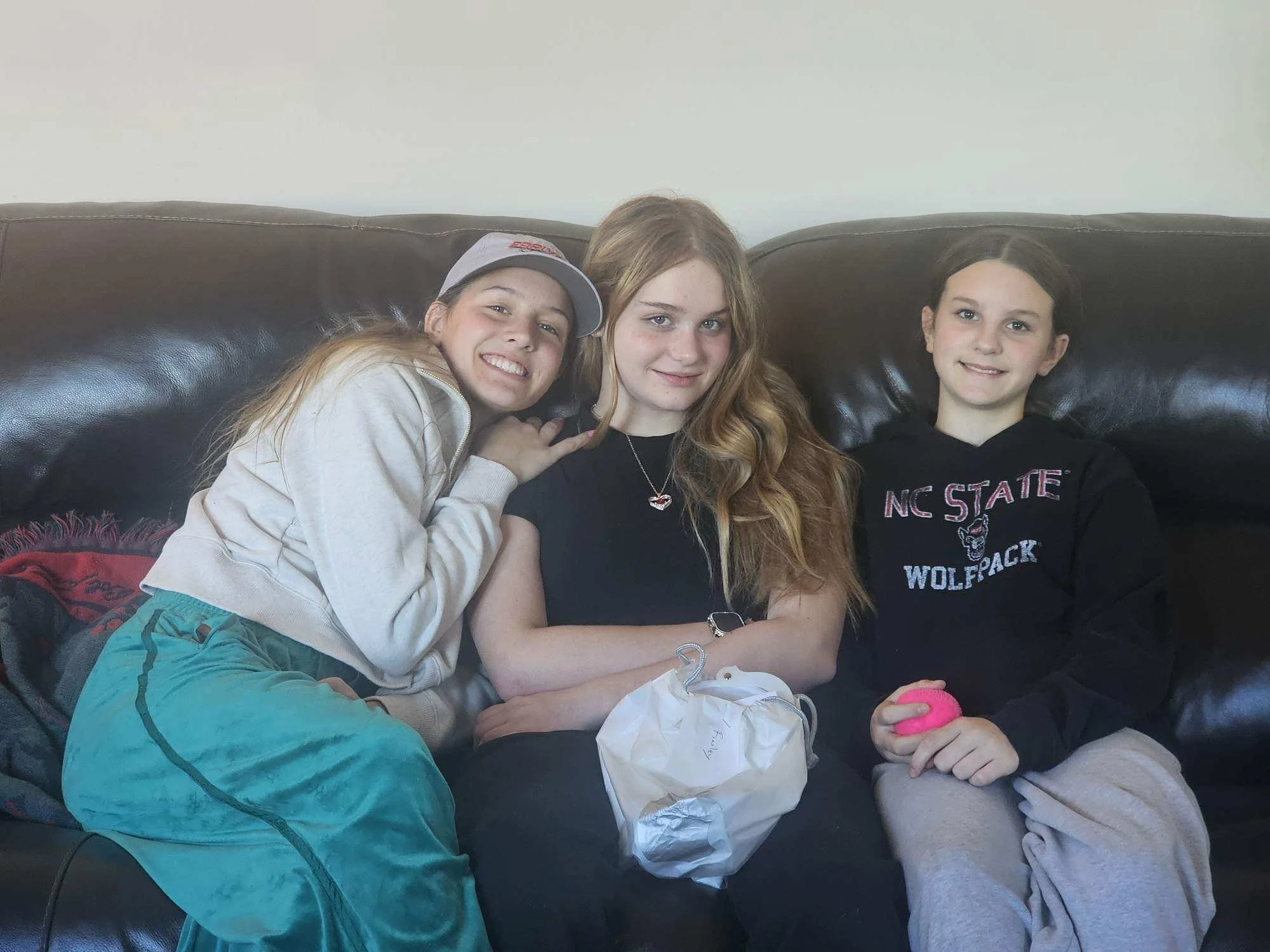
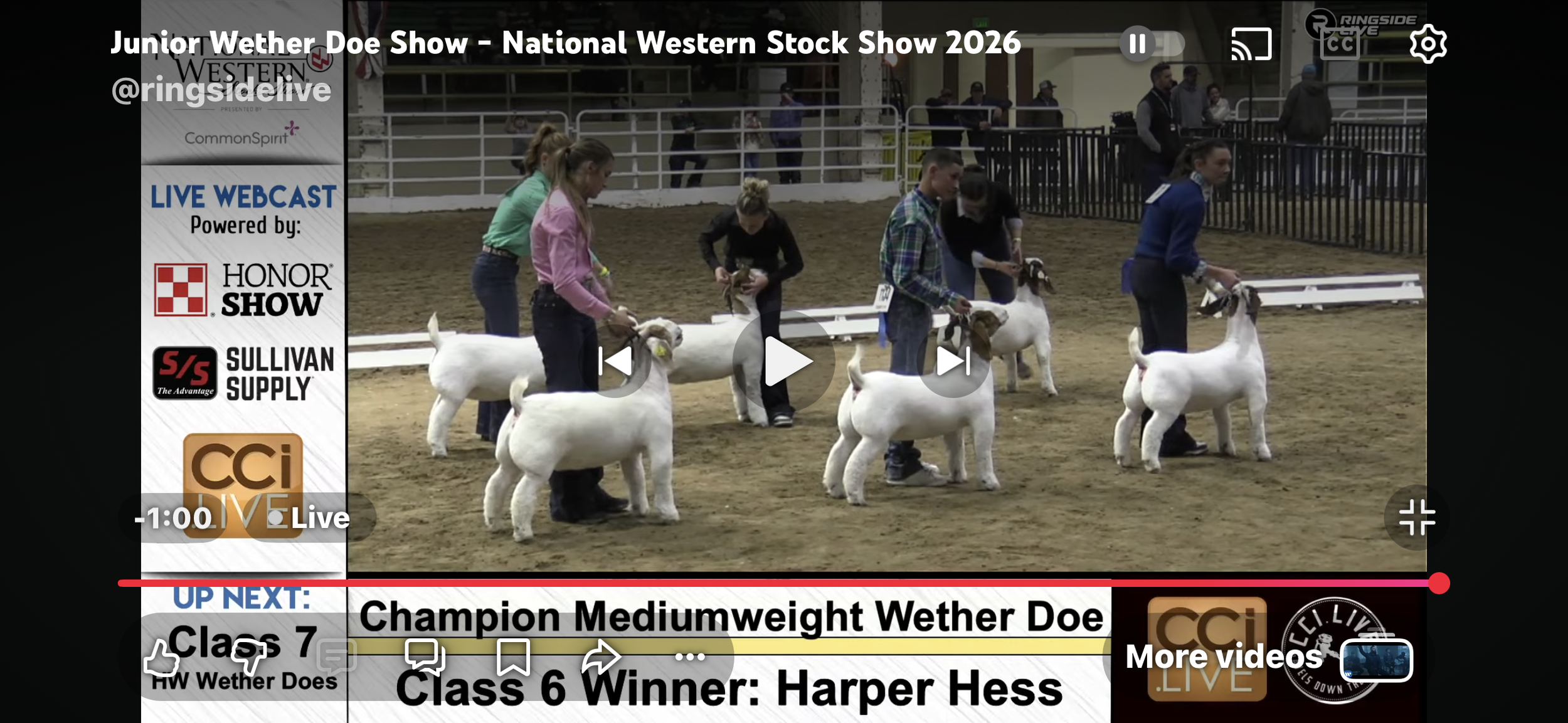
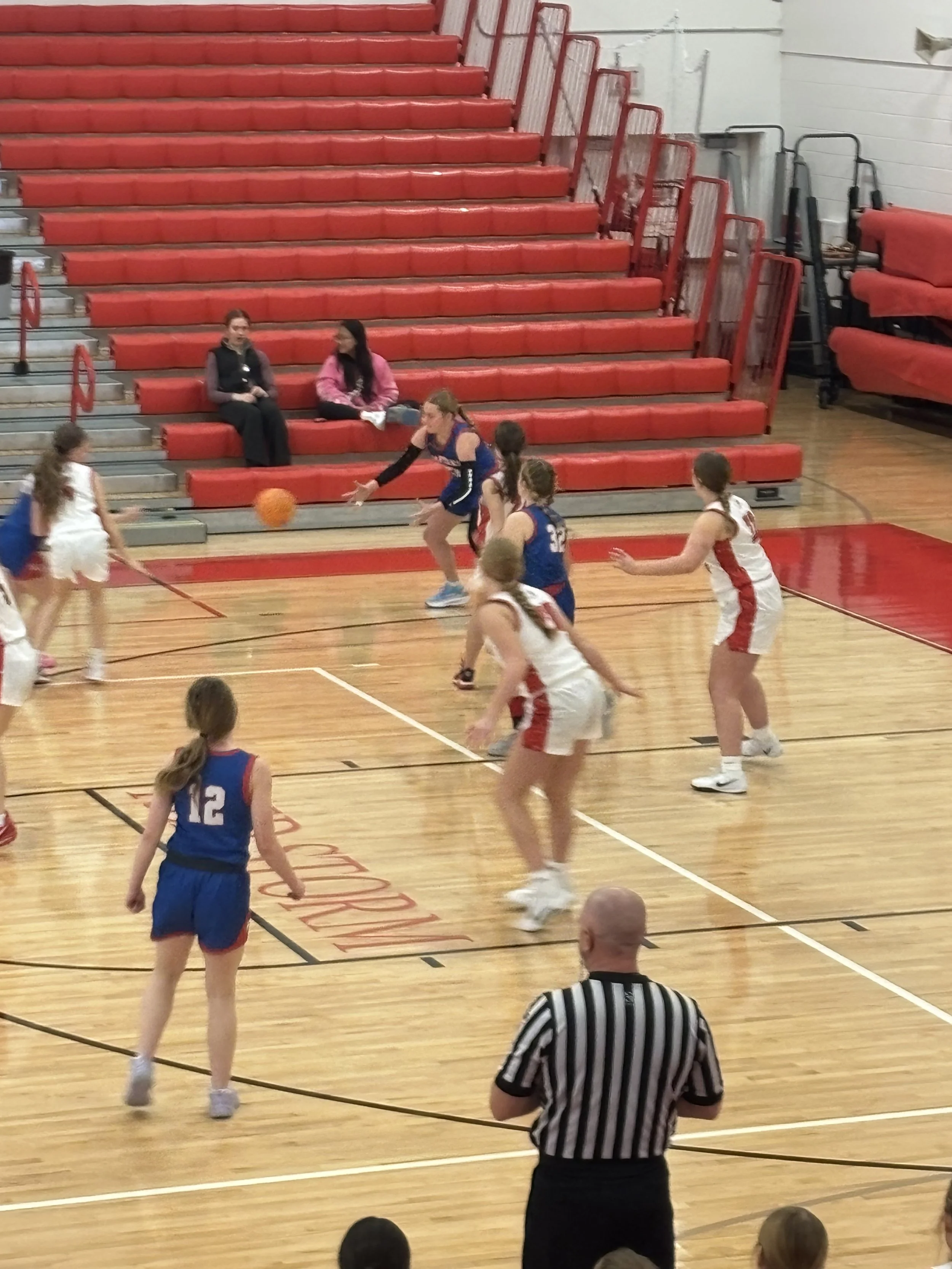
On the personal side, birthday parties, basketball games, volleyball games, trampoline parks, goat showing, and Christmas celebrations are keeping us busy. Phyllis is still seeking approval for knee surgery. And with the winter cold and snowstorms, we have plenty of reason to stay inside—but we do live in Illinois, so we can expect weather like this! 🙂

Fall Prices:
Corn — $4.23
Soybeans — $10.44

Stay warm!
Steve